
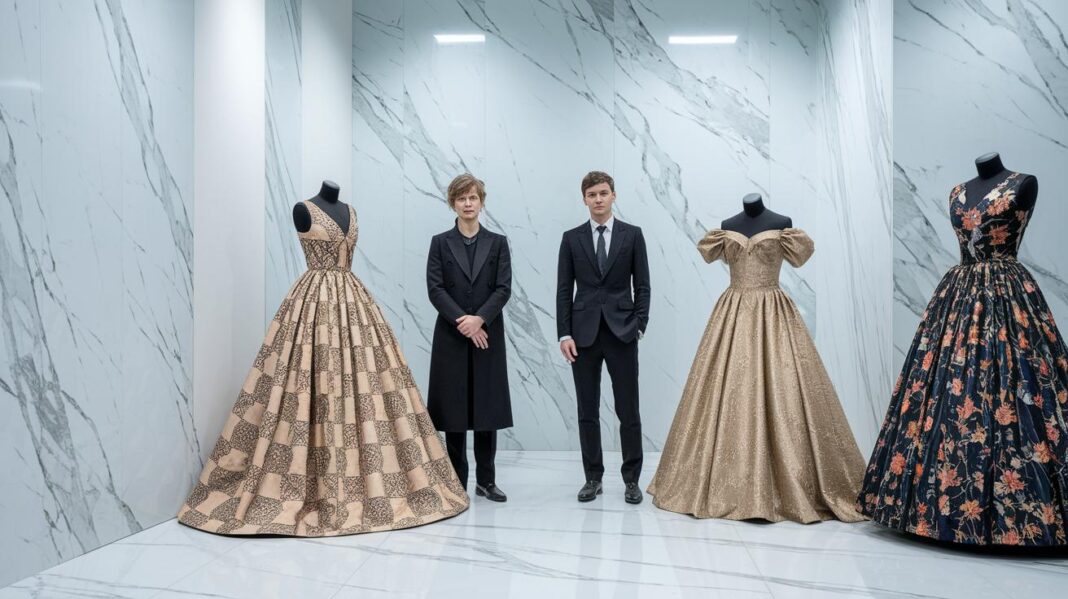

Ever wondered why luxe brands mix classic charm with fresh ideas? Back in the day, their styles whispered secrets of wealth and power like a hidden backstage story. Today, they blend rich history with modern twists that sparkle like stage lights on the red carpet. With vintage cues mixed with bold new designs, these brands keep wowing us every time they make an entrance. In this post, we'll dive into how high-end labels have evolved into enduring symbols of glamour and flair.
evolution of luxury fashion labels: Timeless innovation
Back in the day, clothes were so much more than simple fabric. They were bold signals of wealth and status. In the aristocracy era before the 15th century, dressing up was all about showing off your rank, almost like every seam whispered a secret about a proud legacy.
Then came the Medieval period (5th–15th century), when royal courts became the original runways. Designers spent months perfecting outfits that not only looked magnificent but also shouted authority and refined taste. Getting dressed was a cherished ritual, a true celebration of heritage.
During the Age of Enlightenment (17th–18th century), fashion took a creative leap. People in high society started to use their clothes as a way to express themselves. Outfits began featuring bold lines and imaginative cuts, hinting at tradition while embracing a fresh, daring spirit.
The 19th century brought industrialization, completely changing the scene. Mass production opened up stylish options to a bigger crowd while still keeping a hint of that handcrafted charm. Luxury fashion transformed into a blend of skilled artistry and innovative design.
The 20th century marked a Golden Age for fashion. Designer clothes became more than just garments, they turned into statements of prestige, elegance, and artistic flair.
Today, in the Modern Era (21st century), luxury fashion mixes the best of the old with exciting new tech. By blending historic techniques with digital tools like AR and AI, all while keeping sustainability in mind, the industry continues to evolve in fresh, unexpected ways.
| Era | Time Period | Key Transformations |
|---|---|---|
| Aristocracy Period | Pre-15th century | Clothes showed rank and wealth. |
| Medieval Period | 5th–15th century | Royal courts showcased unique wardrobes. |
| Age of Enlightenment | 17th–18th century | Bolder designs and personal flair emerged. |
| Industrialization | 19th century | Mass production blended craft with innovation. |
| Golden Age | 20th century | Designer pieces became marks of status. |
| Modern Era | 21st century | Old-school charm meets cool tech and sustainability. |
Transformation of Luxury Couture Houses in the 19th and 20th Centuries
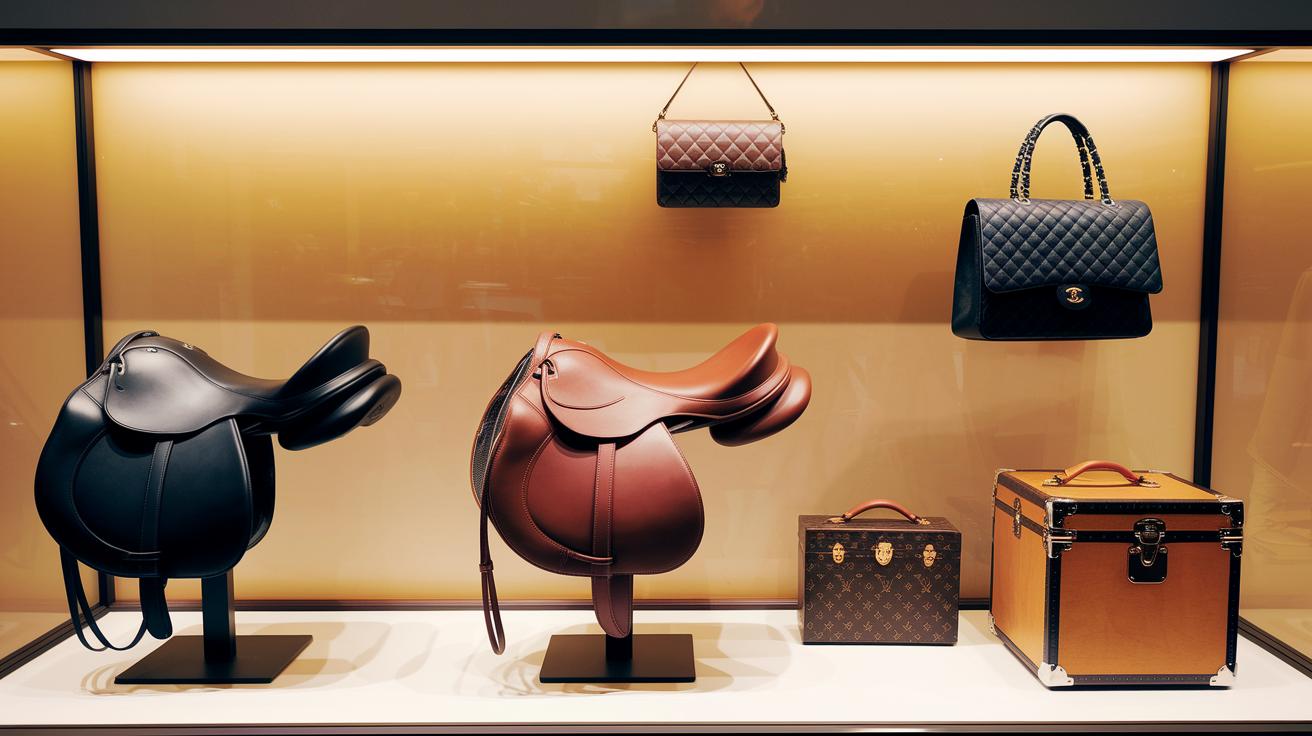
Ever thought a famous brand could begin by making saddles? Hermès did just that when it opened in 1837. They started in a humble saddlery and soon became known for top-notch leather, setting the trend for the high-fashion world.
Louis Vuitton, born in 1854, wasn’t just about trunks. They shook up travel with their signature trunks and that iconic monogram canvas. Imagine unwrapping a Louis Vuitton trunk that gently murmurs elegance, it was a real turning point in design.
Chanel, launching in 1909, turned fashion on its head with relaxed, comfortable styles. Their creative spirit gave us timeless quilted handbags and the classic little black dress, letting women feel both chic and free wherever they went.
In 1946, Dior introduced the “New Look,” featuring structured waists and sweeping skirts that spoke to a generation seeking beauty after tough times. This fresh design was more than a style; it was a breath of new air after hardship.
Yves Saint Laurent then stepped in during 1961, making modern ready-to-wear and empowering women’s sportswear a reality. They showed us that style and practicality can truly go hand in hand. Each of these maisons mixed their rich heritage with daring new ideas, creating legacies that sparkle on runways around the globe.
Modernization in Digital and Consumer Culture for Luxury Fashion Labels
During COVID-19, luxury fashion brands quickly jumped on the digital bandwagon. They started offering immersive e-commerce experiences that feel almost like stepping into a glamorous, virtual dressing room. With AR-powered try-ons and AI-driven personalization, shopping online now buzzes with the same thrill as wandering through your favorite boutique.
And it’s not just about flashy tech. Today’s shoppers expect convenience alongside style. Brands are stepping up with behind-the-scenes customer care, like extended holiday-return policies and glowing reviews on platforms like Trustpilot. These smart, digital-first moves have reshaped high-end marketing, making room for both pristine collections and those imperfect, pre-loved gems that savvy consumers adore.
Classic luxury names such as Chanel, Louis Vuitton, and Burberry are blending their rich heritage with modern digital strategies. Their innovative approaches mean shopping is now all about convenience, personalized experiences, and deep online engagement that redefines the very essence of luxury.
Sustainable Trends and Premier Collection Redesigns in Luxury Fashion Labels
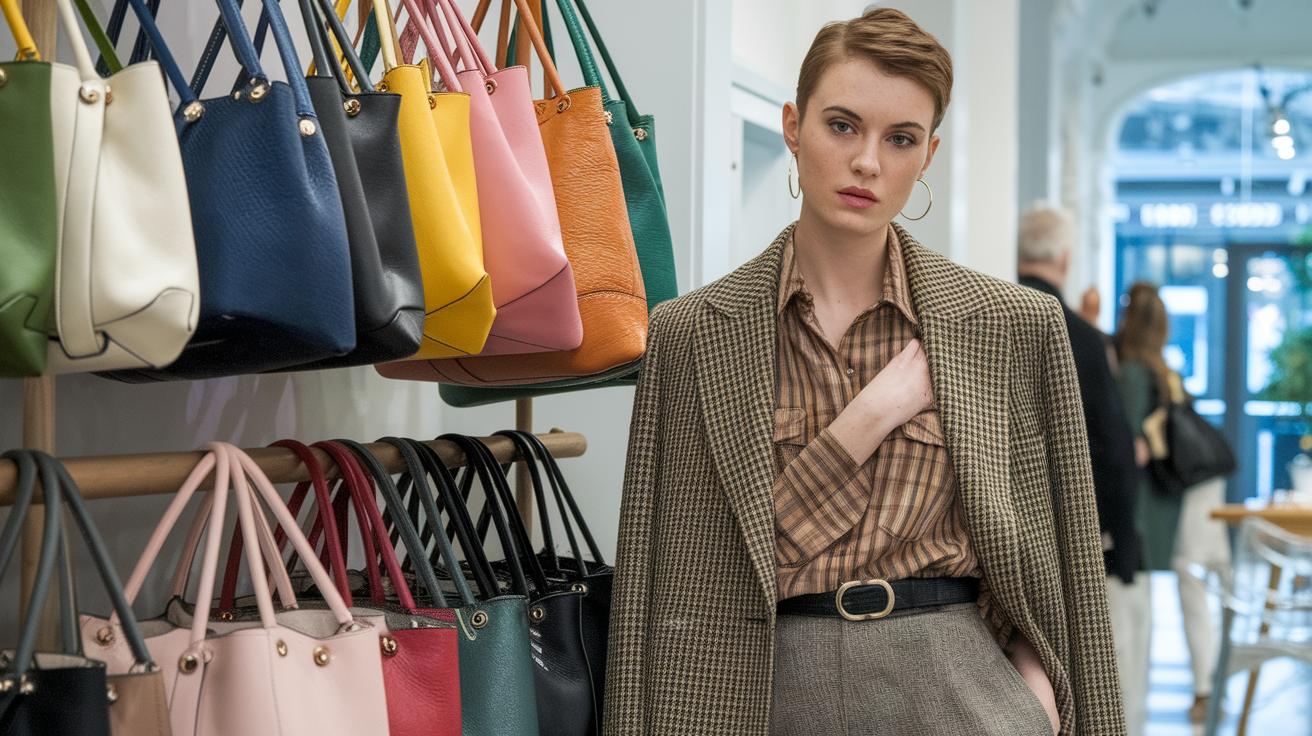
Luxury fashion is stepping into a new era by mixing green practices with a fresh nod to classic style. These days, resale and circular fashion are thriving, with sites like The RealReal and Vestiaire Collective turning pre-loved treasures into modern must-haves that are as stylish as they are sustainable.
Major brands are rethinking their collections with an eye on both timeless craftsmanship and eco-friendly innovation. Take Stella McCartney’s vegan, cruelty-free designs, for example, her work proves that high-end style doesn’t have to compromise the planet. Gucci and Prada are following suit, pledging to go carbon neutral and using materials that cut down on waste, all while celebrating their rich legacy of elegance.
Then there’s the rise of Quiet Luxury, where the focus is on quality and longevity instead of flashy logos. This trend invites you to savor the feel of enduring, sophisticated materials. Even sections dedicated to perfectly imperfect, pre-loved items are redefining transparency, showing every piece’s unique journey. And with perks like an extended Christmas Returns period, these labels remind us that modern luxury can be both innovative and responsibly customer-focused.
Global Expansion and Cultural Shifts in the Evolution of Luxury Fashion Labels
Luxury labels are now setting their sights on fast-growing markets, especially in bustling parts of Asia and Africa. In these vibrant regions, rapid growth has sparked the creation of special collections made just for local tastes. Imagine a famous brand mixing its classic style with lively prints inspired by West African art, it's an instant hit with people who appreciate fresh, local flair.
Designers are teaming up with artisans from places like China, Japan, and West Africa to craft new looks. These collaborations keep traditional techniques flowing, even as the modern world demands something new. Some houses are even adding streetwear twists to resonate with Gen Z and Millennial fans. It’s all about preserving heritage while matching the cool, energetic pulse of local cultures.
Powerhouses like Burberry and C.P. Company are leading this exciting shift. They tailor their marketing stories to echo regional values, all while cherishing their rich past.
- Unique localized collections
- Artisan partnerships
- Fusion of heritage with streetwear influences
This blend of global expansion and cultural creativity paves the way for a future where luxury fashion remains both timeless and wonderfully current.
Future Outlook: Innovation Milestones for Next-Gen Luxury Fashion Labels
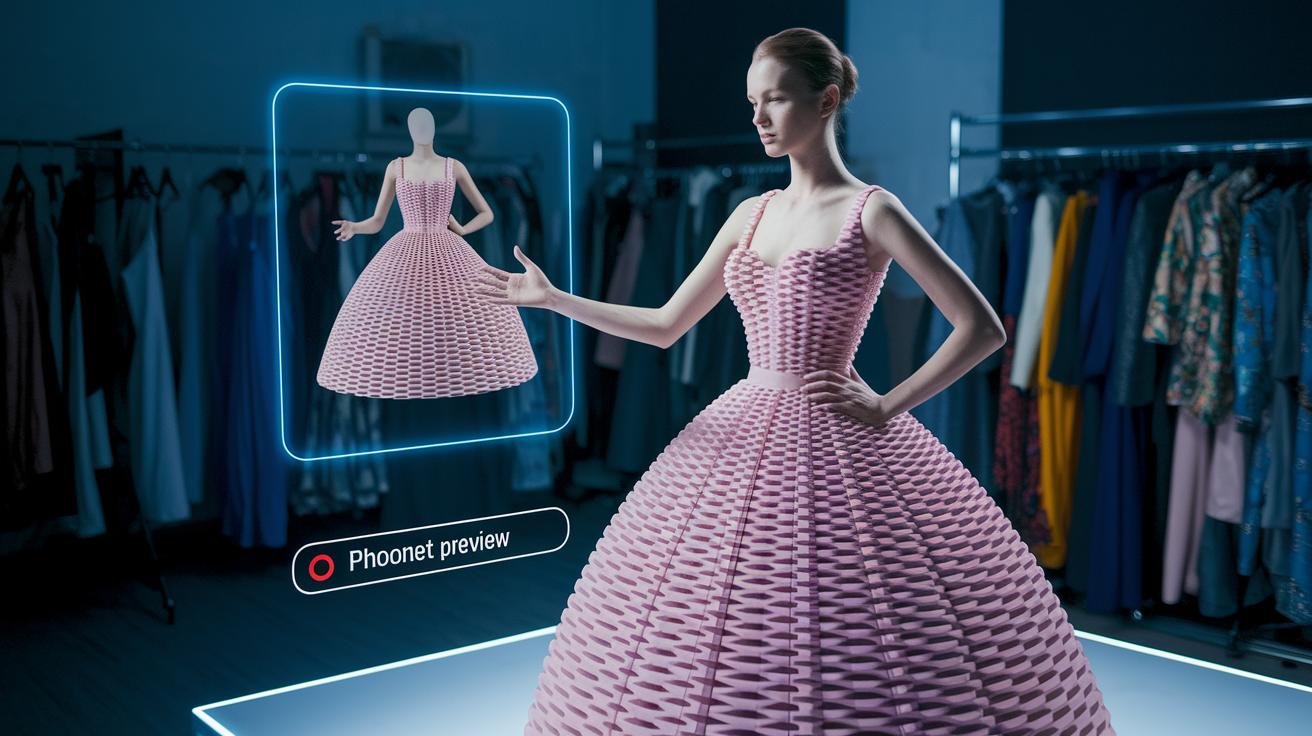
Luxury fashion is stepping into a whole new era with technology that's changing the way high-end clothing is imagined and produced. Think about 3D printing and AI-powered customization working together, it's like having a dress designed just for you, blending art and tech in a way only bespoke couture can offer.
Digital fashion is also getting a major upgrade. Big names like Balenciaga and Dolce & Gabbana are already experimenting with virtual-only collections, using NFTs (digital certificates that verify originality) to bring digital garments to life. This fresh approach shows that even traditional style houses are embracing bold, tech-driven changes.
Inclusivity and diversity are taking center stage, too. Designers are making sure that runway shows and product lines represent a wider range of styles and faces. And with new trends like metaverse storefronts, VR runway shows, and AR retail displays, shopping for luxury is about to become a truly immersive experience.
These innovation milestones are a clear call for classic brands to reinvent themselves, lighting the way for a dynamic future in couture for the digital age.
Final Words
in the action, we zoomed through centuries of style, from regal beginnings to bold modern revivals. We unpacked transformative moments that reshaped couture houses, embraced digital magic, and celebrated eco-friendly turnarounds. Each era carved a new chapter that feeds today’s buzz. The evolution of luxury fashion labels holds endless charm while pushing boundaries. Stay inspired and keep your eyes on the next scoop, because the glamour never fades.
FAQ
How has luxury fashion evolved over time?
The evolution of luxury fashion spans from aristocratic origins, through medieval craftsmanship and Enlightenment self-expression, to modern sustainable and digital innovations. Each era reshaped design and cultural trends worldwide.
Which countries originated the top luxury and clothing brands?
The origins of luxury and clothing brands come from diverse countries such as France, Italy, and Britain. These regions set the stage for legendary labels through rich heritage and distinct craftsmanship.
What is considered the first luxury brand in the world?
The first luxury brand is often credited to Hermès, which started as a saddlery in 1837. Its early commitment to quality and style paved the way for global recognition in upscale fashion.
What are some examples of top luxury fashion brands?
The list of top luxury brands features icons like Louis Vuitton, Chanel, Dior, and Hermès. These names consistently rank among the top for their commitment to quality, innovation, and enduring prestige.