

Ever wondered what really makes a designer label feel special? Picture this: holding a handbag that seems to whisper quality with every stitch, its details hinting at a long, storied legacy. In this guide, we're spilling the secrets behind authentic labels, from the hidden serial number tag to the perfectly placed stitching and sleek, refined hardware.
We’ll walk you through each step, showing you how to rely on your gut and check every little part, so your prized find lives up to the true glow of craftsmanship. Trust your instincts and join us for an exclusive backstage tour of designer label authentication.
Essential Steps for Designer Label Authentication: Spark Your Trust
-
Examine the serial number tag
Start by checking that small, rectangular leather tag tucked inside near the zipped pocket. It's like the bag’s fingerprint, a tiny detail that quietly confirms it’s genuine. You might notice that the tag’s exact spot hints at the brand’s long-standing quality. -
Check materials and craftsmanship
Gently run your fingers over the bag’s leather and feel its smooth texture. Picture a vintage piece from the 1980s or 1990s, where every detail speaks of superior production. The soft feel and neat cut edges tell you this bag was crafted with care and quality. -
Inspect the stitching
Take a close look at the stitching. Genuine bags boast neat, evenly spaced stitches with not a single loose thread in sight. It’s like a designer’s personal signature saying, "Every seam was meant to be this perfect." -
Feel the hardware
Hold the bag’s hardware and notice its solid, refined weight. Authentic pieces feel substantial and elegant, much like a star whose grace grows over time. This refined heft is what separates a real gem from an imitation. -
Look for authenticity cards
Lastly, search for the authenticity card, often a grey card embossed with the brand name and a ten-digit code. This little card is the final reassurance that your designer find is truly the real deal.
Visual Authenticity Markers in Luxury Label Verification
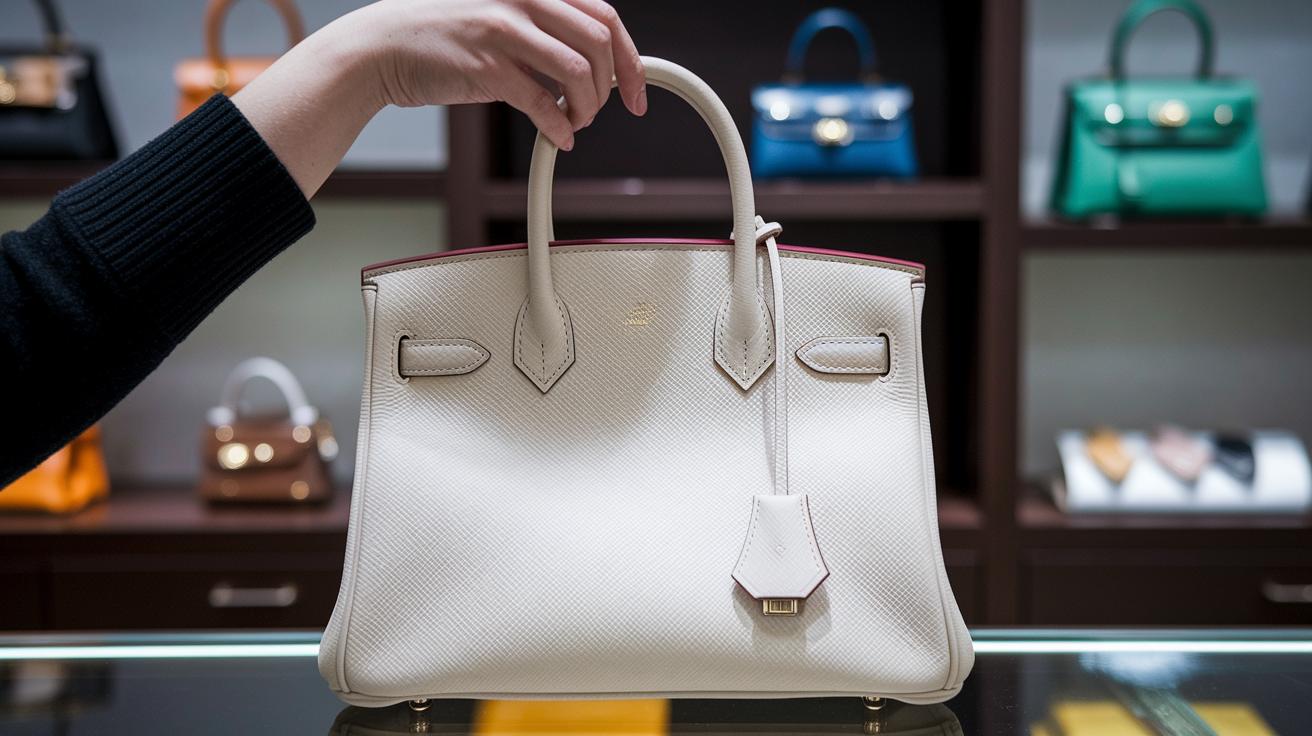
When you're hunting for that luxury designer bag, one simple tip is to check its visual authenticity markers. These little details can tell you right away if the item truly delivers on its high-quality promise. Ever noticed how a clean, sharp logo or evenly stitched seams make all the difference? Trust me, it's like spotting the flawless look on the red carpet!
Take a moment to inspect elements like the logo, stitching, hardware, and even the font. Each part gives you a sneak peek into the bag's true craftsmanship. It’s almost like being a style detective at an exclusive backstage party, observing every tiny detail to ensure what you’re buying is the real deal.
Below is a table that shows some key visual cues, comparing genuine features with the common errors seen in fakes:
| Detail | Genuine Characteristics | Common Fake Errors |
|---|---|---|
| Logo | Sharp edges, consistent ink density, even spacing | Blurry edges, uneven ink, irregular spacing |
| Stitching | Tight, uniform threads with no gaps or fraying | Loose, uneven stitches or fraying threads |
| Hardware | Substantial weight, smooth plating, correct finish | Lightweight, rough plating, improper finish |
| Fonts | Clear, evenly spaced characters | Misaligned or blurred letters |
These visual markers are your first line of defense against counterfeits. Trust your eyes, follow these tips, and you’ll feel that rush of confidence knowing you’ve made a smart, stylish choice!
Material and Craftsmanship Examination for Premium Brand Inspection
Start by running your fingertips over the bag’s high-grade leather. Real luxury shows in its even grain, smooth edges, and rich color that stays vibrant even after years of use. Imagine feeling that soft, almost velvety finish, it’s the kind of tactile delight that screams quality.
Next, take a closer look at the bag’s construction. A truly authentic bag holds its shape and color through the years because every detail is carefully designed and crafted. Think of it like a flawless piece of art where every line and contour plays its part perfectly.
Now, shift your attention to the packaging. Premium bags come with dust bags and boxes made of dense, high-quality material, complete with sharp embossing and refined liners. You might even spot clever security touches like microprints or secret UV-reactive threads woven into the lining. These extras add a bit of backstage magic, ensuring you’re holding something genuinely special.
Documentation and Provenance: Serial Number and Certificate Verification
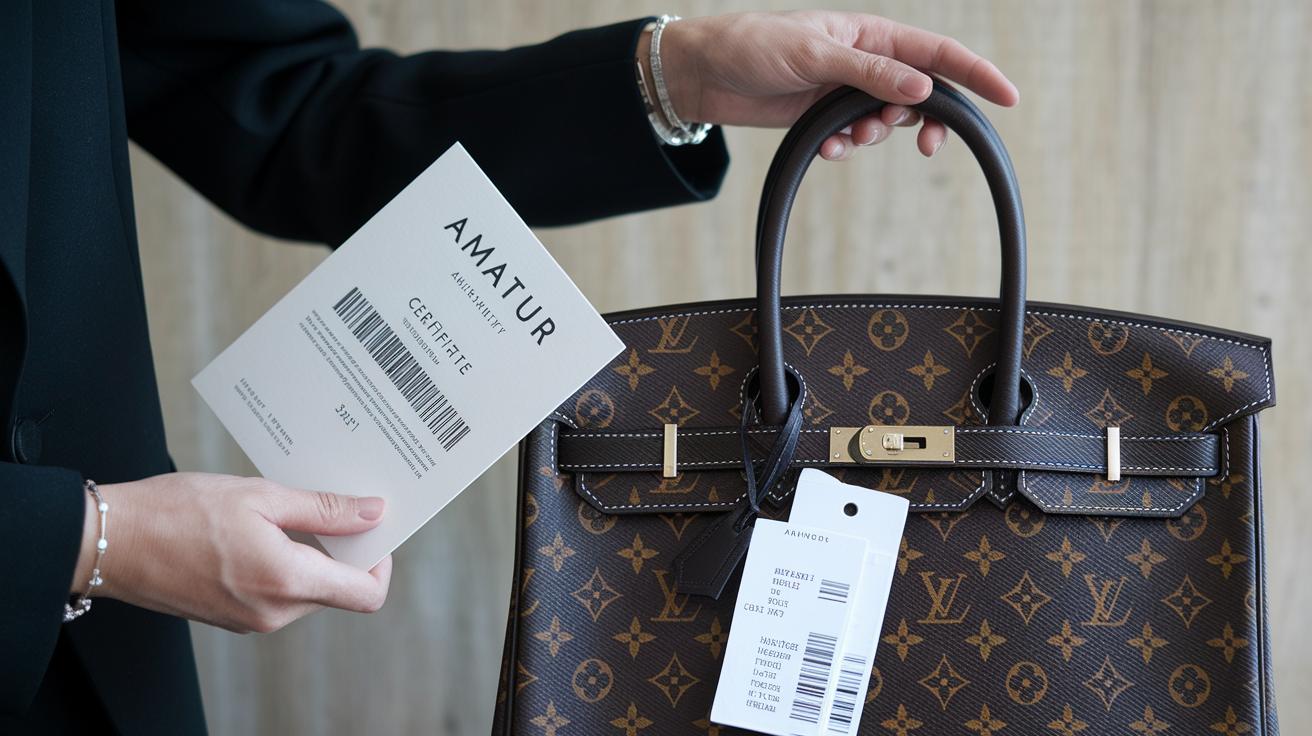
Start by taking a close look at the serial number and authenticity certificate. This certificate isn’t just any piece of paper, it holds all the product details you need along with a one-of-a-kind, brand-issued code that’s basically the designer’s personal stamp of quality. It pairs perfectly with a tag placed just where it should be.
Next, gather every bit of purchase info you’ve got, like receipts, order confirmations, seller details, and the date you bought it. Think of these records as clues, each one telling the story of your bag’s past. Make sure the serial number from the certificate matches the info on these records. A quick check comparing the code to the brand’s usual format can catch any mismatches, if the layout looks off, it might be a fake.
Pay extra attention as you verify these documents. Any missing details or inconsistencies should really catch your eye. Every piece of paperwork plays a part in confirming the item’s authenticity and solidifying its backstory. When everything lines up, you get a clear snapshot of your bag’s journey, helping you feel confident that it’s the real deal.
When to Seek Expert Verification with Trusted Authentication Services
Wondering if your designer bag is the real deal? When doubts creep in, turning to expert authentication services can be a game-changer. Top names like Real Authentication, Open Luxury, and Authenticate First ask you to snap detailed photos of your bag’s hardware, stitching, logos, and tags. These clear shots let experts check every little detail against trusted benchmarks.
Basic checks are usually around $10 to $15, but if you have a luxury piece, fees might jump over $100. It’s smart to know exactly what you’re paying for, as turnaround times can really differ. Reading client testimonials, verifying professional credentials, and checking for brand certifications can give you that extra reassurance that an experienced pro is on the case.
Nowadays, technology adds an extra sparkle to the process. Many services now use digital audit tools and blockchain tracking to create a transparent log of purchase history and ownership. This digital timeline shows exactly how your bag has changed hands, boosting your confidence in the result.
Before you decide, compare several authentication services based on fee structures, credentials, and reviews. This easy step helps you feel secure knowing you’re making the best choice to protect your stylish investment.
Common Counterfeit Detection Tips and Fraud Risk Signals

Suspicious Pricing
Ever noticed a deal that seems too good to be true? Just like a famous star wouldn't normally lower their price without a reason, an unusually low tag on a designer item can be a big warning sign. When you spot a designer bag with a price that’s way below what you’d expect, it's a bit like seeing a blockbuster star in a small, low-budget ad, something just doesn’t add up.
Next, for tips on checking things like stitching, serial tag placement, and packaging details, be sure to flip back to our earlier sections for a full scoop.
Final Words
In the action, we explored every corner of knowing genuine designer pieces. We broke down checking serial numbers, scrutinizing materials, and even verified those catch details like perfect stitching and quality packaging.
This designer label authentication guide gives you a clear, practical roadmap for ensuring every item meets high standards. With these insights and insider tips, enjoy the sparkle of a hassle-free experience and the joy of landing a truly authentic piece.
FAQ
How can I access free designer authentication guides and checks?
Free guides on platforms like Reddit show you how to inspect tags, stitching, and materials.
They also point to free authentication checks, helping you spot genuine pieces with simple, trusted tips.
Where can I find trusted luxury authentication services?
Trusted services like Real Authentication offer thorough reviews using detailed photos of hardware, logos, and stitching.
These professionals verify authenticity and give you peace of mind before buying.
How can I tell if a designer item is authentic and get it verified?
Authentic items show quality tags, even stitching, and proper hardware.
You can confirm this by comparing known brand details or using trusted authentication services that examine these visual and material markers.
Is Entrupy a worthwhile app for verifying designer clothes?
Entrupy’s mobile tool offers a reliable, high-tech method to check designer items.
It analyzes images of key details like stitching and hardware, making it a handy digital option for quick verification.