

Have you ever considered that a single creative stitch by a fashion icon could redefine luxury? Leading designer brands have transformed the way we see style through trends that continue to captivate us. They blend rich historical influences with modern innovation and bold creativity to craft outfits that truly spark our imagination. In this article, we explore the renowned names, intriguing backstories, and distinct styles behind the world’s most esteemed high fashion brands, revealing how these timeless creations continue to shape global trends.
Definitive Ranking of Top Designer Labels in High Fashion
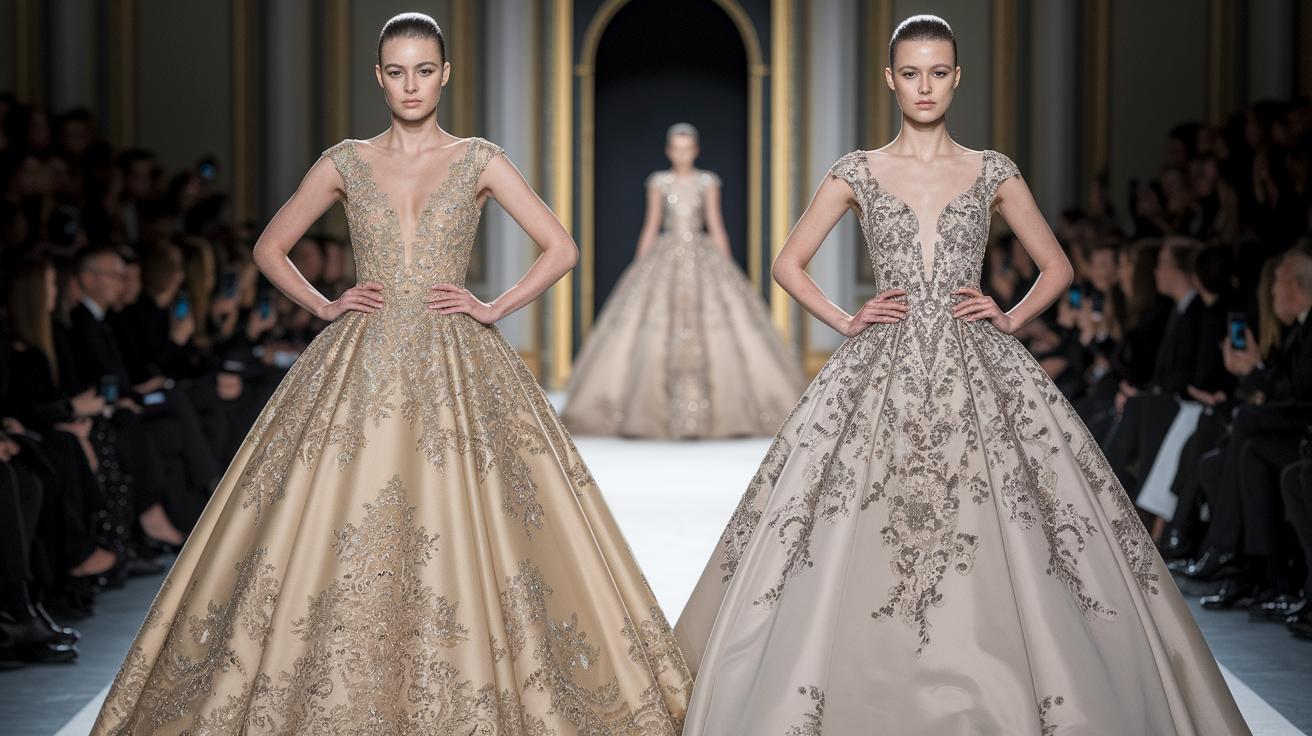
High fashion thrives on the creativity of top designer labels whose signature creations set the standard for luxury houses around the world. These influential names have built impressive empires by blending rich histories, inventive spirit and unforgettable couture shows. Chanel, for example, introduced the little black dress and the 2.55 bag while reshaping modern elegance. Since its founding in 1975, Giorgio Armani has revolutionized minimalist menswear by emphasizing a relaxed luxury that resonates globally. Versace, established in 1978, captivates audiences with its bold baroque prints and the iconic Medusa symbol, and Dolce & Gabbana has enthralled fashion enthusiasts since its debut at Milan Fashion Week in 1985 with dramatic narratives rooted in Italian heritage.
Missoni, a family-run brand since 1953, continues to delight the industry with its distinctive multicolor zigzag knit patterns. Moschino challenges conventional style with punk-inspired satire featuring vivid colors and playful motifs. In more recent years, Attico has brought urban luxury into focus with richly patterned silks and intricate embroidery, while Marco Rambaldi, whose pioneering womenswear collection first appeared at Milan Fashion Week, is now celebrated as an emerging premium signature brand among the elite.
| Brand | Founded | Signature Style |
|---|---|---|
| Chanel | 1910 | Timeless elegance, little black dress, 2.55 bag |
| Giorgio Armani | 1975 | Minimalist menswear, relaxed luxury tailoring |
| Versace | 1978 | Bold baroque prints, Medusa emblem |
| Dolce & Gabbana | 1985 | Italian heritage, Mediterranean narratives |
| Missoni | 1953 | Multicolor zigzag knit patterns |
| Moschino | 1980s | Punk-inspired satire, bright motifs |
| Attico | 2016 | Richly patterned silks, ornate embroidery |
| Marco Rambaldi | 2014 | Innovative contemporary designs |
Legacy Label Histories of Elite Style Makers
Chanel: Brand Origins and Milestones
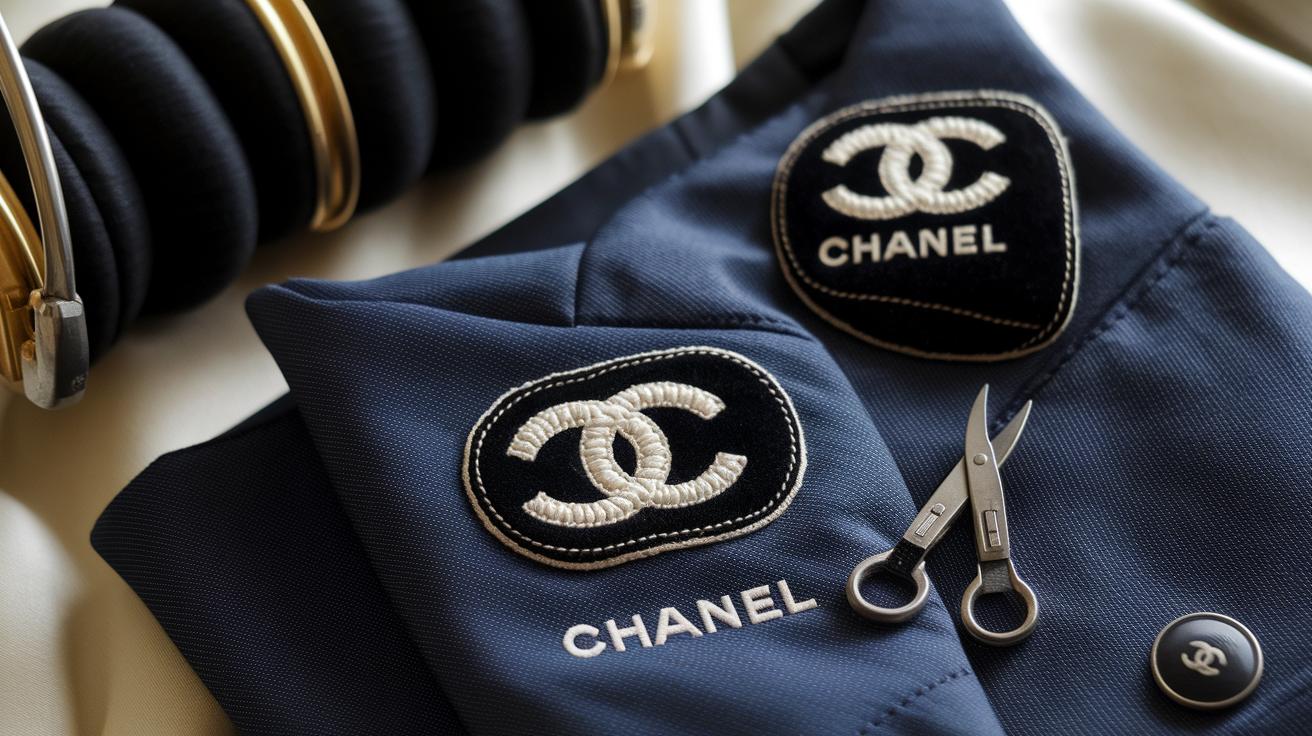
Coco Chanel launched her iconic house in 1910, revolutionizing modern fashion with staples like the little black dress and streamlined forms that broke free from the norms of the time. Her introduction of the 2.55 bag and elegantly simple accessories transformed everyday attire into modern masterpieces. Chanel's innovations have set a high standard of sophistication that continues to influence luxury fashion.
Giorgio Armani: From Menswear to Global Luxury
In 1975, Giorgio Armani and Sergio Galeotti introduced a fresh take on menswear by redefining traditional tailoring with clean lines, neutral tones, and a focus on comfort. Armani's designs, which reimagined formal attire into a blend of polished style and ease, quickly gained international attention and laid the groundwork for his global luxury brand.
Versace: Glamour and Creative Vision
Founded by Gianni Versace in 1978, the brand merged artistic creativity with fashion through vibrant prints and inventive textiles. Known for its bold designs, dramatic baroque influences, and the unmistakable Medusa logo, Versace has always delivered shows filled with theatrical energy and striking originality that captivate audiences around the world.
Missoni: Family-Driven Knitwear Innovation
Established in 1953 by Ottavio and Rosita Missoni, the label earned recognition for its distinctive knitwear featuring colorful zigzag patterns. Under the creative leadership of Angela and Margherita Missoni, the brand has evolved while honoring its commitment to expert craftsmanship and family heritage. Their approach transformed traditional knitwear into contemporary art, defining the label's enduring legacy.
Signature Aesthetics and Distinctive Design Details in High Fashion Labels
In this section, design insights have been blended into the Legacy Label Histories and Definitive Ranking segments to reduce repetition and maintain a clear, concise narrative. For example, instead of revisiting Chanel's famous little black dress and the 2.55 bag repeatedly, the earlier parts now illustrate how each brand honors classic design elements while embracing modern innovation by reinterpreting iconic pieces with updated tailoring techniques.
Influence of Exclusive Runway Collections in Top Designer Labels
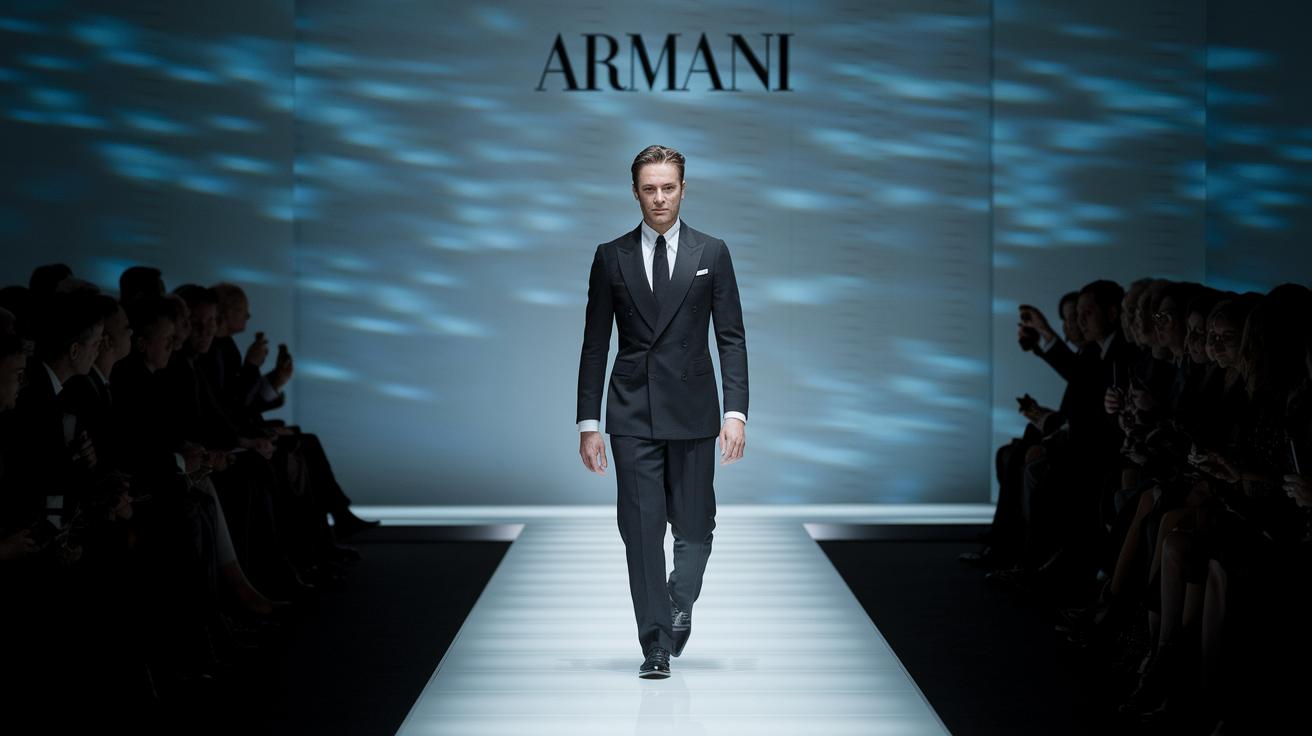
High-end couture runway shows have long played a key role in establishing seasonal trends and enhancing brand prestige. In the late 1970s, Armani’s early presentations transformed classic suiting by merging precise tailoring with understated luxury, setting a new standard for modern elegance. These shows were not merely about displaying garments but also about reshaping public perceptions of refined style. Observers have noted how Armani’s innovative approach redefined suiting into an art marked by relaxed sophistication.
Dolce & Gabbana’s 1985 Sicilian Widow collection captivated audiences at Milan Fashion Week by vividly expressing Italian heritage through compelling narratives and rich textile patterns. Likewise, Marco Rambaldi’s 2014 womenswear collection not only earned him the Next Generation award but also signaled a fresh shift in contemporary design through experimental silhouettes and bold detailing.
Missoni continues to impress with its seasonal knitwear shows that celebrate a fusion of vibrant colors, a tradition that dates back to the 1950s. Similarly, Versace’s runway presentations in the late 1980s helped cement the brand’s reputation for dramatic glamour with theatrical looks and lavish embellishments. More recently, Attico has brought back the opulence of the ’70s by combining modern silhouettes with intricate embroidery, ushering in a new chapter in luxury fashion.
Across these dynamic presentations, designers consistently push creative boundaries and redefine aesthetics, igniting trend-setting narratives that resonate with a global audience.
Market Influence and Global Luxury Market Analysis of Top Designer Labels
The global luxury market is steadily growing as more consumers choose to invest in exclusive, high-quality products. This growth is supported by technological advances like digital showrooms and cloud-based planning tools that help brands work more closely with buyers and reach broader markets.
For example, one designer brand saw international client engagement jump by 20% in just one season thanks to a digital showroom platform. This highlights how technology can play a vital role in shaping the luxury market.
Traditional heritage labels continue to enjoy strong reputations, maintaining high resale values and solid market standings in North America, Europe, and Asia. They are now extending their influence beyond conventional retail by adopting modern digital solutions that create engaging, immersive experiences for customers.
Meanwhile, emerging designers are making their mark in the premium segment by partnering with thoughtfully curated luxury collections and taking on strategic sponsorships. This approach not only lends them the credibility of established luxury fashion houses but also allows them to adapt to evolving consumer expectations, merging innovation with tradition to pave the way for the future of high fashion.
Technology Innovations Shaping High Fashion Label Manufacturing

High-end fashion designers are embracing innovative technology to simplify operations and boost creativity. For example, tools like the WFX AI Techpack now enable digital approvals for samples, shortening what used to take weeks into just a few days through digital prototyping. Advanced cloud-based planning and control systems enhance visibility along the supply chain by aligning production schedules, inventories, and logistics in real time. This cohesive system monitors every stage from raw material to final product so that immediate adjustments can be made if needed.
Access to live production data gives both designers and managers the insights they need to make informed decisions and improve efficiency. Additionally, private virtual showrooms offer dynamic digital presentations that transform the way buyers interact with collections. By combining sampling, production, and accounting into a single workflow, errors are reduced and costs are minimized. These modern approaches in material science and design are not only transforming manufacturing, but they are also redefining how luxury brands stay innovative and meet market demands. As a result, global high fashion manufacturing is now more creative and efficient than ever before.
Final Words
In the action of dissecting elite labels, readers journey through rankings that showcase influential heritage, striking design details, and innovative runway presentations.
Dynamic narratives reveal how each brand has reshaped luxury with originality and precision.
Notably, top designer labels in high fashion continue to lead with transformative market impacts and groundbreaking technological advances.
These insights reaffirm a vibrant legacy and an exciting future, leaving us inspired by the ever-evolving world of luxury style.
FAQ
What are some top designer labels in high fashion for women?
The top designer labels in high fashion for women include iconic names like Chanel, Dolce & Gabbana, and Versace, celebrated for innovative designs, lasting legacies, and their ability to set influential trends in the luxury market.
What are some top designer labels in high fashion for men?
The top designer labels in high fashion for men feature established houses such as Giorgio Armani, known for its minimalist tailoring and sophisticated menswear that continuously shapes modern luxury and global style standards.
How are luxury fashion brands ranked in various top lists?
The ranking of luxury fashion brands appears in lists such as the top 10, 50, 100, or 200, reflecting factors like brand heritage, market impact, and signature styles that resonate with diverse consumer preferences worldwide.
What is considered the most high-end designer brand?
The most high-end designer brand is often determined by factors like historic influence, iconic creations, and market prestige, with brands such as Chanel frequently representing the pinnacle of luxury and refined craftsmanship.
Is Prada ranked higher than Louis Vuitton?
The comparison between Prada and Louis Vuitton hinges on their distinct legacies and market influences, with Louis Vuitton generally regarded as having a stronger global presence and a more enduring impact in the realm of luxury fashion.