
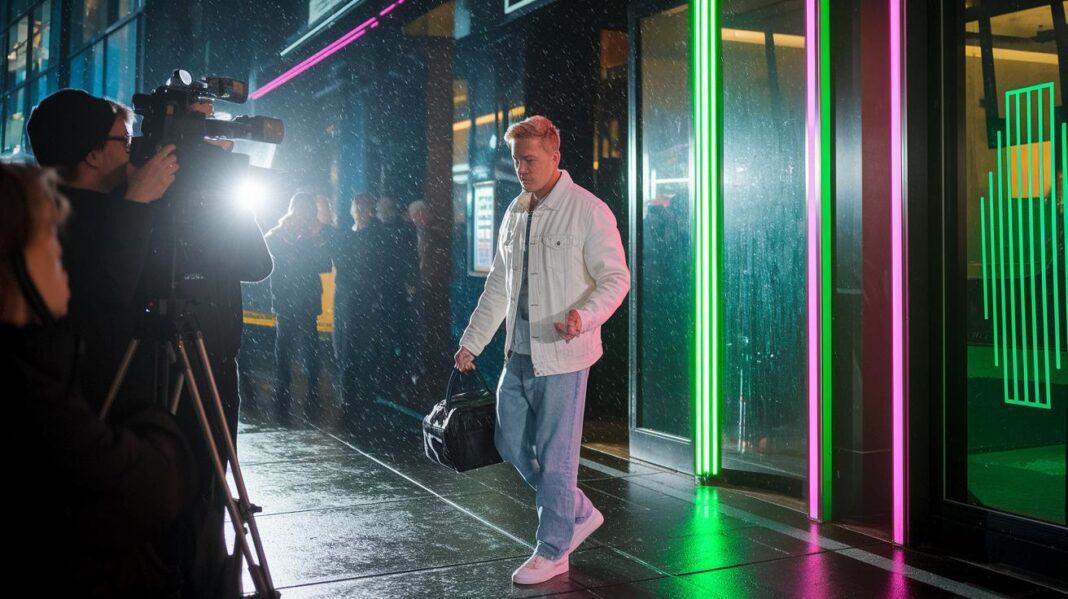

Ever wondered how one quick flash can spin a regular moment into the snazziest headline? Paparazzi, those sneaky photographers on the prowl for a candid glimpse, have totally changed how we see our favorite stars.
Back in the day, photographers would capture every natural shot like it was a secret key to a superstar’s private world. The twinkle of streetlights on a quiet night made each snap feel like an exclusive backstage pass.
Now, those unexpected snapshots spark conversations about privacy and turn hushed whispers into major buzz. And honestly, it’s this mix of risk and revelation that keeps us all hooked on every unplanned moment.
How Paparazzi Culture Shapes Celebrity Gossip Narratives
Back in the mid-1900s, paparazzi were just beginning to make their mark. In 1950s Hollywood, photographers snapped behind-the-scenes photos of your favorite stars without getting permission. These candid pictures felt like a secret backstage pass, giving us a rare peek into celebrity lives long before today's digital buzz took over.
Those stolen moments are what make celebrity gossip truly come alive. After World War II, tabloids had an insatiable hunger for every little detail, and candid photos were their magic ingredient. Fans craved these raw views, and soon, those sneaky shots turned into essential tools for storytelling that sparked lively public discussion.
- Ambush photography capturing unexpected moments
- Sneaky shots during public outings
- Exclusive photo deals with media outlets
- Provocative framing of images to heighten scandal
- Rapid social media leaks that spread whispers overnight
Thanks to these clever tactics, what might have been private moments are now headline-grabbing content. Paparazzi chase that perfect shot, weaving together narratives full of mystery and glamour while also stirring up debates about privacy and ethics. Every snapshot plays a part in crafting the intricate fabric of celebrity gossip that keeps fans coming back for more.
Tracing the Origins and Evolution of Paparazzi Culture
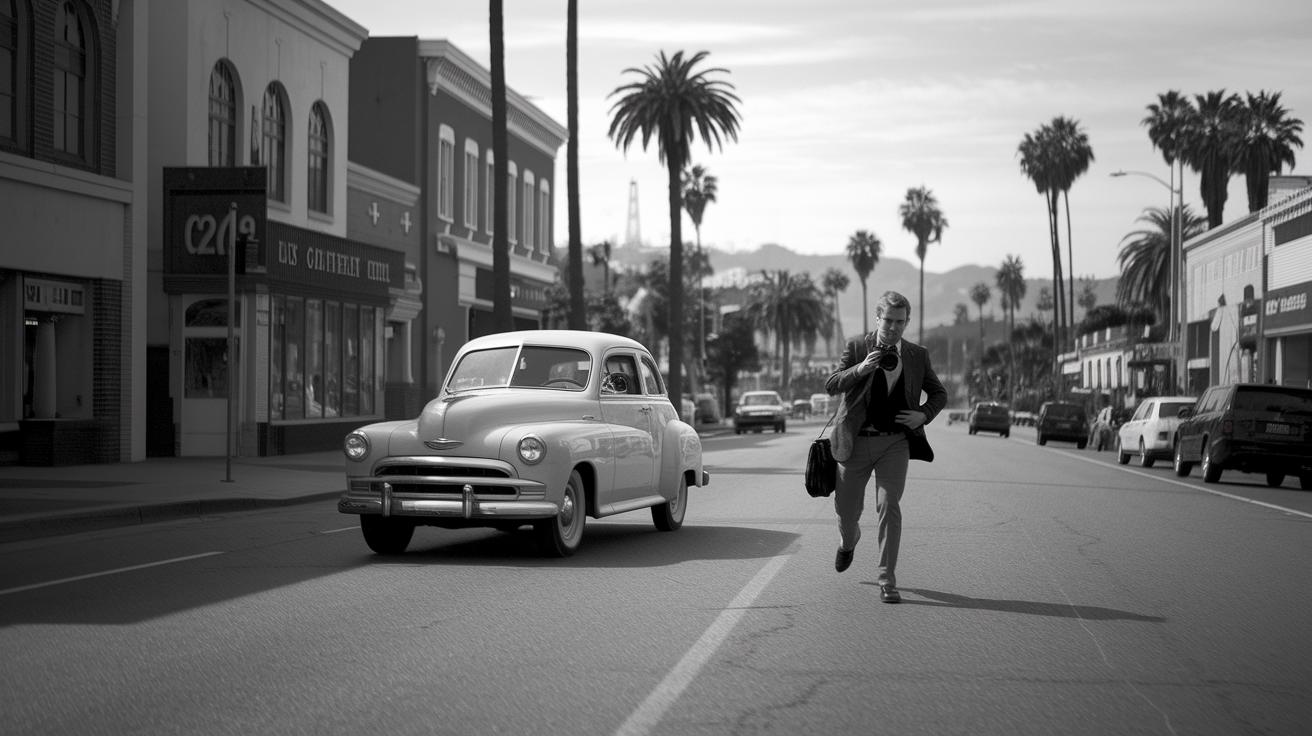
Back in the day, way before smartphones and social media, the term paparazzi first popped up in the mid-1900s. Photographers would sneak around and snap unexpected shots of celebrities, capturing moments as they happened. It was the start of a style of photography that mixed private moments with public life in a really uncanny way.
In the 1950s, Hollywood streets and fancy events became the perfect playground for these photo-hunters. They roamed around, catching stars in honest, unposed moments. These candid shots gave fans a rare peek at the real emotions behind the glitz, sparking both admiration and debate about where privacy ends and the public scene begins. Every snap pushed the conversation further, creating a buzz that was as thrilling as it was controversial.
By the 1960s and '70s, things really heated up with the rise of tabloid journalism. Every fleeting moment turned into a headline, and media outlets went head-to-head to capture the next big scoop. Paparazzi quickly became known not just for their relentless pursuit of a story but also for shaping the very myth we built around our favorite stars. Their influence still makes waves today.
Key Paparazzi Tactics Behind Media Sensationalism
The paparazzi scene has gotten a whole lot spicier. They mix old-school tricks with bold, new tech that makes us stop and ask, “But is this okay?” If you’re curious about the classic moves, check out the earlier sections.
- Sneaky tracking that sparks privacy debates.
- Drone shots that bring fresh views without feeling too invasive.
- Cool framing that turns every snap into a mini work of art.
- Super-fast social media sharing making images zoom online.
- Exclusive photo plans that decide just when the pics drop.
- Clever backstage tech that times each capture perfectly.
These modern spins keep tabloids buzzing and spark plenty of public chatter. It’s a spread of ideas that not only repeats the old but also dives into fresh tech and ethical dilemmas, all changing the way we see the celebrity world.
Ethical Debates and Legal Challenges in Paparazzi Journalism
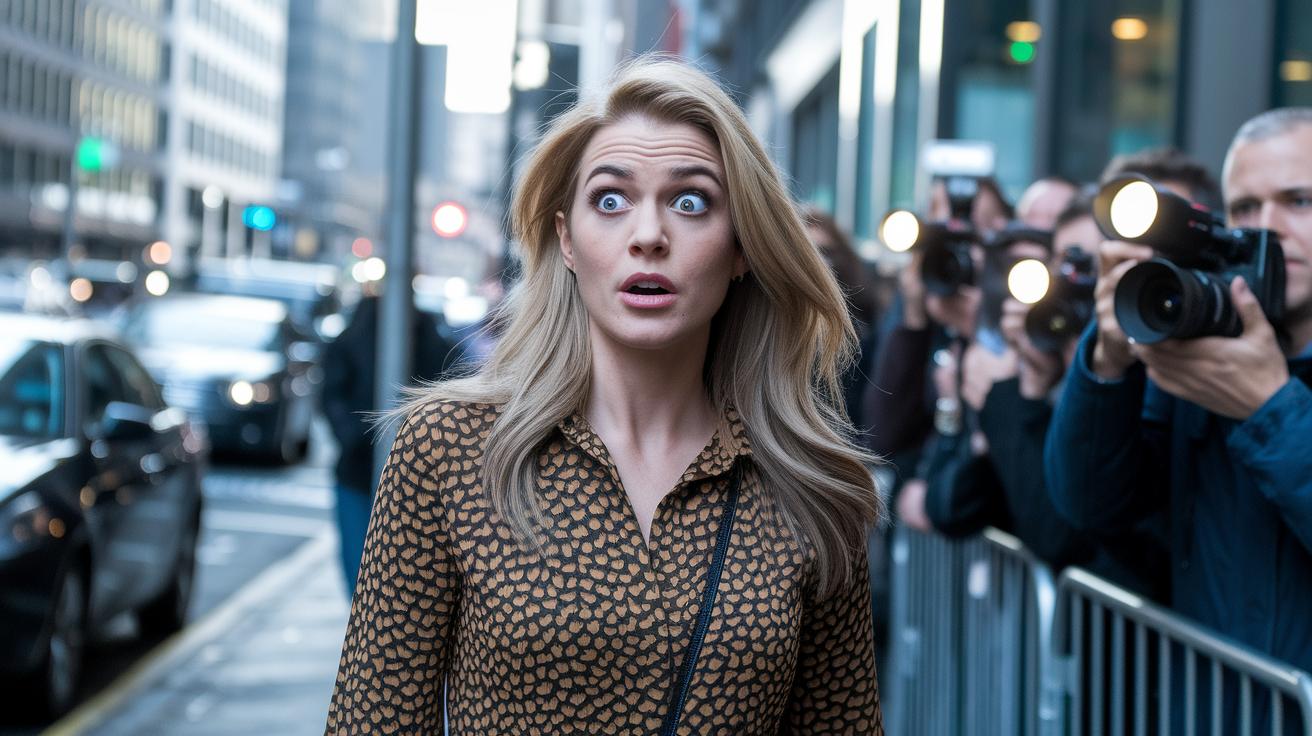
Paparazzi tricks spark passionate debates about where privacy ends and our right to know begins. Fans love a sneak peek into their favorite stars’ lives, but these secret snaps often intrude on personal space. With digital platforms in full swing, images now zip around faster than ever, mixing private moments with public attention. It leaves us asking: Do these photos really serve the public, or do they just fuel our endless craving for scandal?
Legal battles have followed close on the heels of these aggressive paparazzi moves. Courts are busy trying to balance free press with personal privacy. Big lawsuits have questioned just how far the press can go when it comes to capturing private moments. Some states are even thinking about stricter privacy laws to shield individuals from invasive photography. As technology keeps changing the game, so do the rules. Ever wonder how social media’s instant sharing is reshaping our legal landscape?
Recent court rulings have generally favored tougher measures against intrusive photography where privacy was clearly breached.
Notable Legal Cases
Key legal cases have set the stage for new rules by challenging paparazzi tactics head-on. These landmark decisions have forced media outlets to reconsider if snapping that perfect shot is worth the privacy cost.
High-Profile Incidents: Paparazzi Influence on Celebrity Scandals
Paparazzi snapshots can flip a private moment into a sizzling headline. They’re captured without any warning, and suddenly, real-life moments turn into dramatic tales that leave us all wondering about the limits of personal space.
Take Drew Barrymore’s early days, for example. Believe it or not, before she hit superstardom, candid photos of Drew were spun by tabloids into stories that made people question if she was the real deal. This wasn’t your everyday paparazzi trick, it sparked a fresh debate about keeping privacy intact versus the public’s hunger for drama. Critics even argued that these images paved the way for invasive reporting and warped views of her true self.
And once one secret snapshot gets out, it kicks off a whirlwind of gossip. Each new picture adds another twist to the scandal, often overshadowing what the celebrity actually wants to say. In the end, every image becomes a stepping stone in the ongoing discussion about ethical media coverage and the true personal cost of fame.
The Impact of Digital Media on Paparazzi Influence and Celebrity Gossip
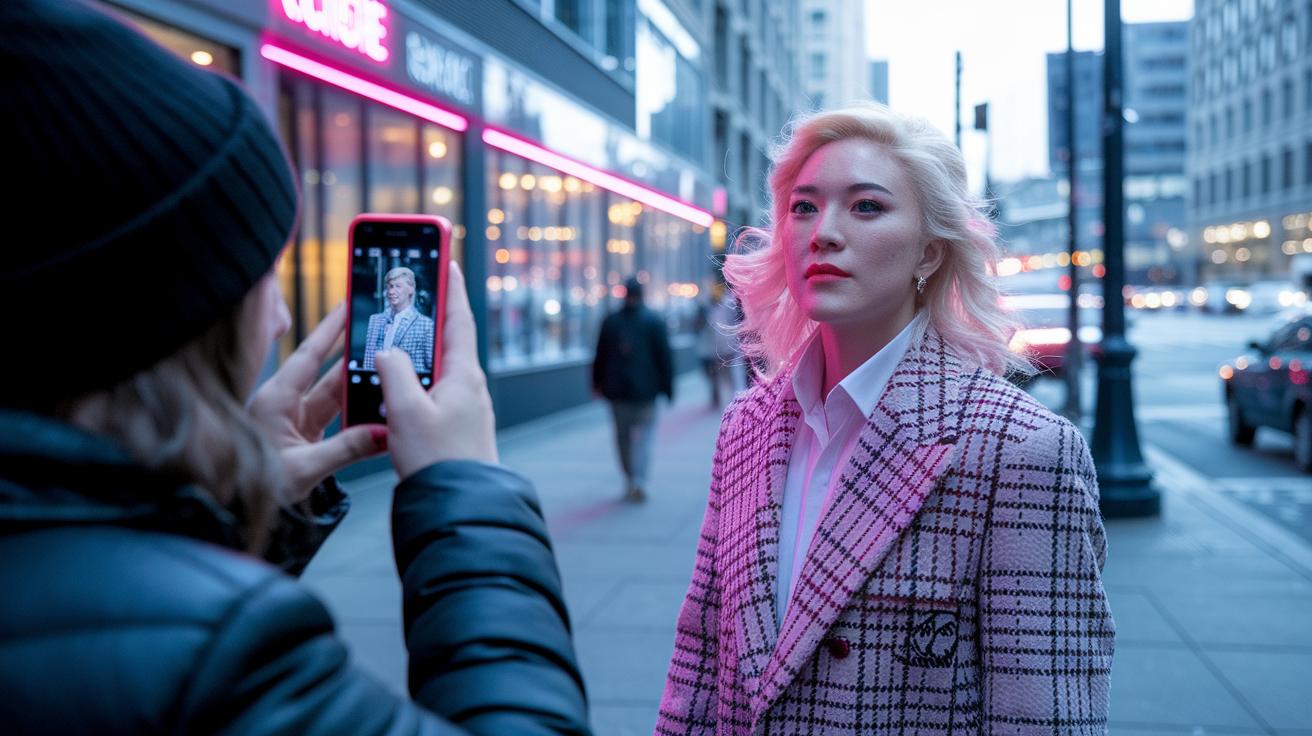
Digital platforms have totally flipped the script on how we get our celebrity news. Thanks to smartphones and social networks, the old-school paparazzi aren’t the only ones calling the shots anymore. Now, everyday fans with their personal devices snap moments that once took professionals weeks to capture. These impromptu shots, from chance street encounters to sneaky backstage peeks, flutter onto social feeds and spark lively debates about privacy and access. It’s like watching a red carpet moment unfold live, where everyone gets a say.
Celebrities are even getting more hands-on with their own media image. They share behind-the-scenes glimpses and unscripted clips that feel as genuine as a friendly wink. This shift means that fans now have the power to decide which moments sparkle and which ones fade away. The mix of polished paparazzi shots and raw, user-generated content gives us a diverse and immediate look at the lives of our favorite stars, just like flipping through an exclusive celebrity magazine.
And then there’s influencer-driven gossip. Quick, eye-catching posts by popular social figures now steer the conversation, set trends, and shape everyday celebrity chatter. These savvy influencers turn their snapshots into mini headlines, keeping the buzz fresh and as dynamic as a late-night fireside chat with a trusted friend.
Balancing Public Interest and Celebrity Privacy Rights
Fans just can’t get enough of those candid peeks into the secret lives of stars. We’re always buzzing with excitement, wanting to know every little backstage moment. Yet, as streaming photos and snapshots flash across our screens, celebs often feel torn. They’re caught between giving us a taste of their world and keeping a little space just for themselves.
The controversy over privacy is sparking lots of debate. Many argue that the media and paparazzi should stick to respectful boundaries. Lawmakers and experts are even chatting about fresh rules to stop photographers from overstepping. Fun fact: in some places, fines for invasive photography have actually jumped to keep things in check. These talks are really paving the way for clearer guidelines that balance our curiosity with a need to honor personal privacy.
Media insiders are now championing smarter coverage. They suggest that setting up a voluntary code of conduct and doing a quick pre-check before sharing images might be the best route. Basically, this means we get our exclusive updates without trampling on the celebs’ dignity. In doing so, everyone wins, both the stars keeping their sparkle and the fans getting their backstage buzz.
Final Words
In the action, this post unraveled how paparazzi culture and its influence on celebrity gossip shape what we see every day. It explored the roots of aggressive photo tactics, examined legal battles and high-profile scandals, and even looked at how digital media shifted the spotlight. The story offered a quick look at behind-the-scenes secrets that fuel gossip and sparked discussions on privacy rights. What an exciting peek into a world where every candid shot tells a story! Stay inspired and keep enjoying the dazzling drama.
FAQ
Q: What does paparazzi mean?
A: The term paparazzi means photographers who capture candid celebrity moments, known for snapping unposed images since the mid-20th century.
Q: How much do paparazzi make per photo?
A: The earnings per shot vary widely, with some exclusive images fetching a few hundred dollars while rare, high-demand photos can earn several thousand dollars.
Q: How do paparazzi know where celebrities are?
A: Paparazzi find celebrities by following public events, tracking social media hints, and relying on insider tips about star appearances.
Q: Are paparazzi still active in today’s media?
A: Paparazzi remain active as part of the media scene, although digital platforms and shifting public interests have changed their traditional ways of capturing celebrity moments.
Q: What are the effects of paparazzi on celebrities?
A: The effects include increased media scrutiny, occasional invasions of privacy, and the boost of visibility that can sometimes keep celebrities in the public eye.
Q: What negative effects do paparazzi have?
A: Negative effects include creating stressful situations, compromising personal security, and fueling excessive media hype that can distort how the public views a celebrity’s life.
Q: Who are the highest paid paparazzi and why?
A: The highest paid paparazzi secure exclusive photo deals with major outlets, earning premium fees for rare and captivating images that draw significant public interest.
Q: What was distinctive about early 2000s paparazzi activities?
A: Early 2000s paparazzi were known for their aggressive tactics in capturing sensational images, a style that set the stage for today’s intense celebrity media coverage.
Q: What is the impact of U.S. culture on paparazzi actions?
A: U.S. culture, with its strong appetite for celebrity news and sensational stories, compels paparazzi to use bold, sometimes invasive, methods to secure exclusive images.
Q: What constitutes paparazzi culture?
A: Paparazzi culture is all about capturing those unguarded moments, driving public dialogue with provocative images that spark both curiosity and controversy.
Q: Why might paparazzi be considered beneficial for celebrities?
A: Some see paparazzi as beneficial because they keep celebrities in the public eye, helping maintain relevance and sometimes even bolstering a star’s brand in a competitive market.