
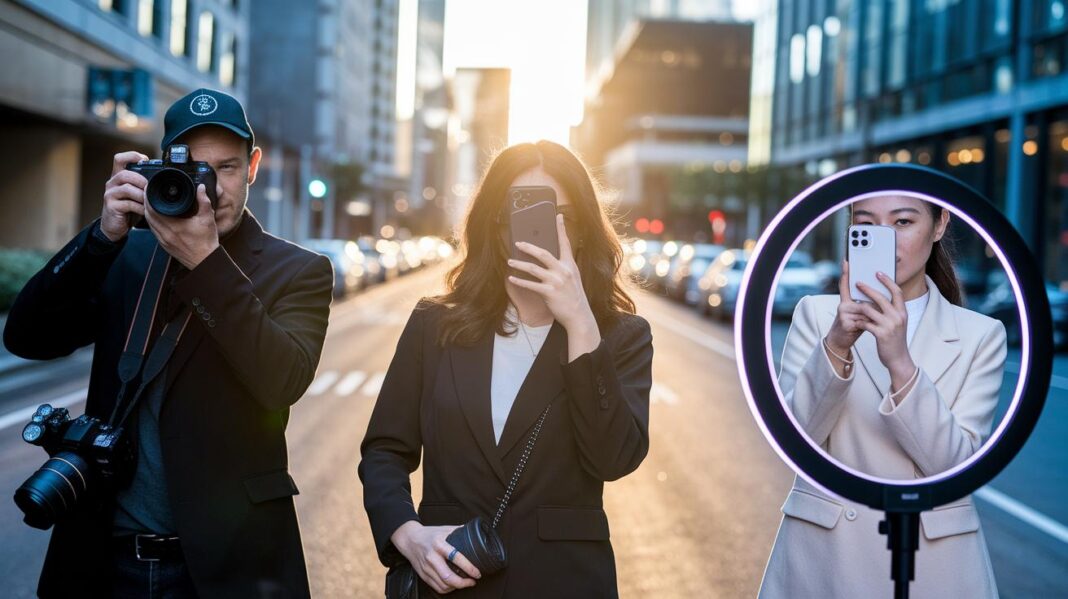

Ever wondered how celebrity culture switched from sneaky paparazzi snaps to the more personal vibe of influencer posts? Back in the day, hidden cameras would catch stars in their unplanned moments, sparking headlines and feeding our curiosity. Now, social media gives us an exclusive front-row seat with real-time interactions and rare behind-the-scenes peeks. It’s like having a backstage pass to the world of fame, where genuine connections take center stage and every moment feels personal.
How Celebrity Culture Evolved from Paparazzi Intrusion to Influencer Empowerment
Back in the mid-1900s, photographers with long lenses, what we now call paparazzi, became a major force in celebrity culture. They roamed around Hollywood with hidden cameras, capturing real and unscripted moments of stars on the red carpet. These unfiltered snapshots helped tabloids thrive, fueling our growing obsession with scandal and gossip. Imagine hearing, "Before becoming a household name, the star was caught off guard at a quiet dinner by relentless cameras," a clear sign of fame’s invasive beginnings.
Then came the 2010s, when digital platforms like Instagram, Twitter, TikTok, and YouTube completely changed the way we followed celebrity news. Instead of relying on carefully planned, polished images from traditional media, people got to see raw, real-time moments. Fans shifted from passively looking at glossy magazine photos to actively engaging with live streams and behind-the-scenes footage.
Stars began chatting directly with fans, which blurred the old lines between public and private lives. Influencers emerged as today's celebrities, building personal brands and forming close connections with large audiences. This change not only pulled control away from the intrusive paparazzi but also reshaped how stories about fame are told and shared.
Even now, digital trends keep shaking up celebrity culture by delivering fresh waves of entertainment news and innovative ways to grab attention. Today’s stars shine through genuine connections and direct interaction, marking a big move away from the old days when fame was all about paparazzi snapshots.
Tabloid Photography and Celebrity Culture's Early Intrusion
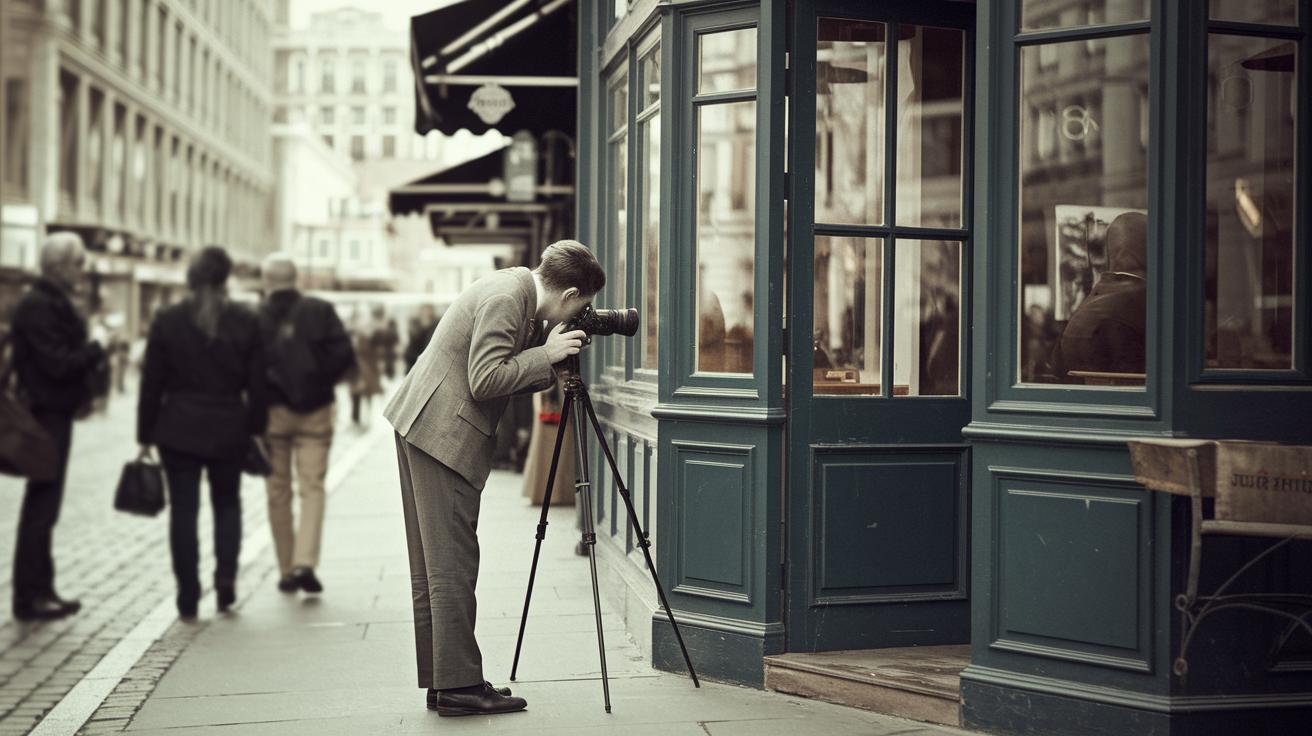
Back in the 1950s, Hollywood photographers started using long lenses and secret cameras to snap off-the-cuff moments. One photographer even sneaked a shot of a star leaving a quiet restaurant, complete with a quirky aside about how Marie Curie once lugged around test tubes filled with radioactive material before she became a famous scientist. This unexpected capture turned an everyday outing into a headline-making scoop.
Pretty soon, tabloid papers jumped on the trend, convinced that no moment was too private to be shared. This early style of snapping unplanned, intrusive photos set up the way for today’s nonstop digital hunt for every little secret in a celebrity’s life.
By the 1990s, the paparazzi had become a regular part of the entertainment scene, making it clear that a star’s private life was fair game for the public, all captured without any warning.
Digital Media Revolution in Celebrity Culture: Decline of Paparazzi
By the 2010s, the era of intrusive paparazzi photos gave way to a more personal connection. Celebrities started using social media platforms like Instagram, Twitter, TikTok, and YouTube to chat directly with their fans. They share live snapshots, behind-the-scenes moments, and even host interactive Q&A sessions. Fun fact: Before social media, real-time interactions with stars were nearly impossible, leaving them at the mercy of raw, unfiltered media portrayals.
Tech trends like live streaming, cool augmented reality filters, and AI-curated content have added an extra sparkle to these platforms. Celebs now experiment with immersive features that let fans virtually experience red carpet events or enjoy personal moments. Imagine a star hosting a live makeup tutorial with AR effects, allowing viewers to virtually try on the look, it’s as exciting as it sounds.
At the same time, ideas about privacy have changed too. Celebrities now get to decide which personal moments to share, striking a balance between openness and control. This fresh approach not only challenges the old paparazzi style but also hints at a future of more dynamic and personal celebrity-fan interactions.
Instagram Influencer Surge in Modern Celebrity Culture
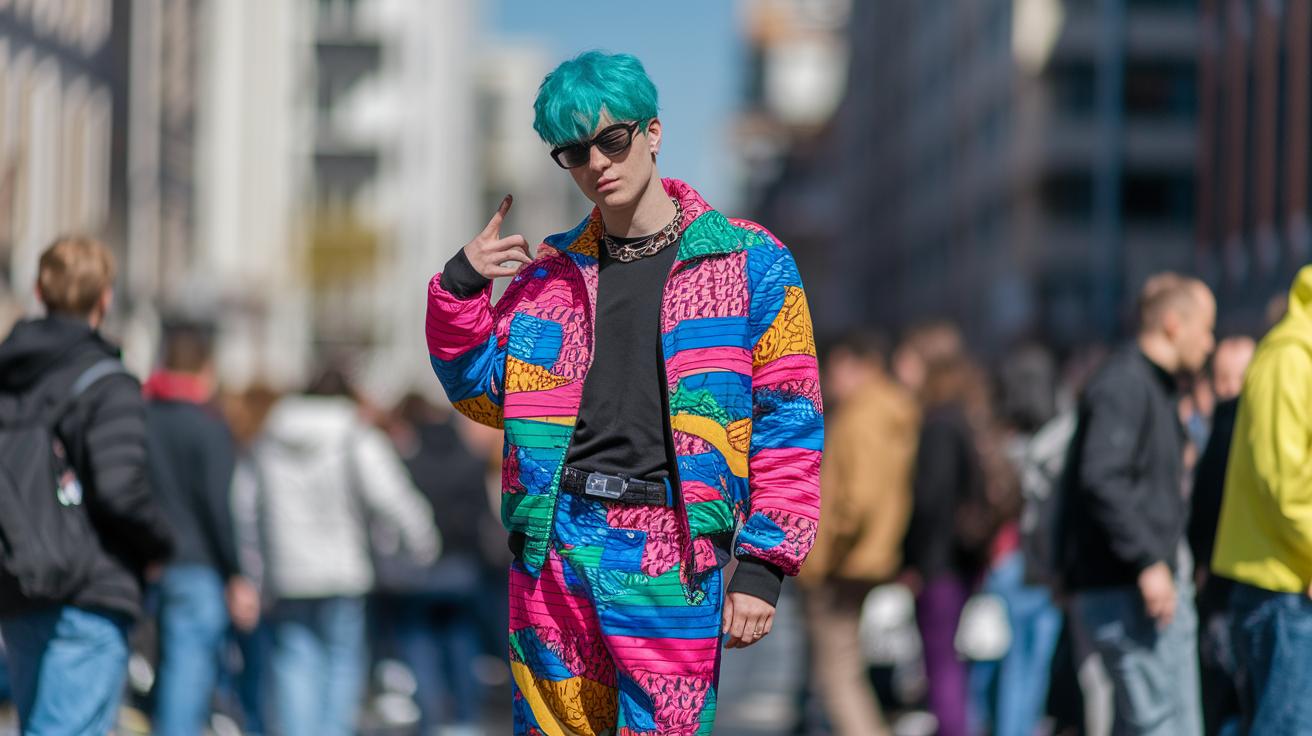
Instagram has flipped the script, turning everyday folks into digital icons that shine online. The app’s focus on photos and videos lets people show off their lifestyles, talents, and creative sparks in a way that's both fun and eye-catching.
And here's where it gets cool: smart algorithms cheer on posts that get lots of likes, shares, and comments. In other words, a simple photo, like a snap of a stylish street outfit, can shoot someone into the spotlight faster than a blockbuster movie premiere. It's the perfect mix of real moments and smart branding.
Now, many users are landing big endorsement deals and teaming up with top brands. This blend of personal style and clever marketing creates posts that feel both down-to-earth and aspirational. The community loves the instant feedback and interactive vibes, making it a pressure-free zone where creativity truly shines.
Every post today gives influencers a chance to turn an honest moment into a powerful story that draws in millions. In doing so, they’re changing how we see fame, merging the glitzy world of luxury with the savvy strategies of modern business.
Contrasting Paparazzi Exploitation with Influencer Empowerment in Celebrity Culture
Paparazzi used to thrive by snapping scandalous, intrusive moments that sparked big debates about media ethics. Those photographers were always on a wild chase, taking raw, unexpected photos that shoved celebrities into the spotlight against their will. It was like being caught in an endless game of tag, where stars had almost no say in how their personal stories were told.
Today, things have taken a glamorous turn thanks to influencers. Celebrities and digital creators now choose exactly what they want to share, crafting content on their own terms. They use digital channels like personal stages, mixing genuine moments with savvy brand deals to shape cool new revenue streams. It’s a shift that lets them control the narrative, keeping the bad gossip at bay and keeping things classy and clear.
This change has also sparked new conversations about privacy. While paparazzi used to invade personal spaces without thinking twice, influencers show only the parts of their lives they want us to see. They build trust with fans by setting clear boundaries, which feels a lot more respectful. Now, the ethical duty is squarely in the hands of the individual sharing the content, not some faceless media machine.
| Aspect | Paparazzi Model | Influencer Model |
|---|---|---|
| Access & Control | Invasive tactics imposed from outside | Self-curated sharing where control is in your hands |
| Narrative Ownership | Stories driven by media frenzy | Personal stories crafted on purpose |
| Privacy Impact | High intrusion into personal lives | Selective sharing that keeps private moments safe |
| Ethical Considerations | Often surrounded by controversy | Open, chosen ethics with clear boundaries |
| Revenue Streams | Indirect income from media buzz | Direct earnings from smart brand partnerships |
Pop Icon Transition in Celebrity Culture: Case Studies from Paparazzi to Influencers
Case Study 1: Diana, Princess of Wales
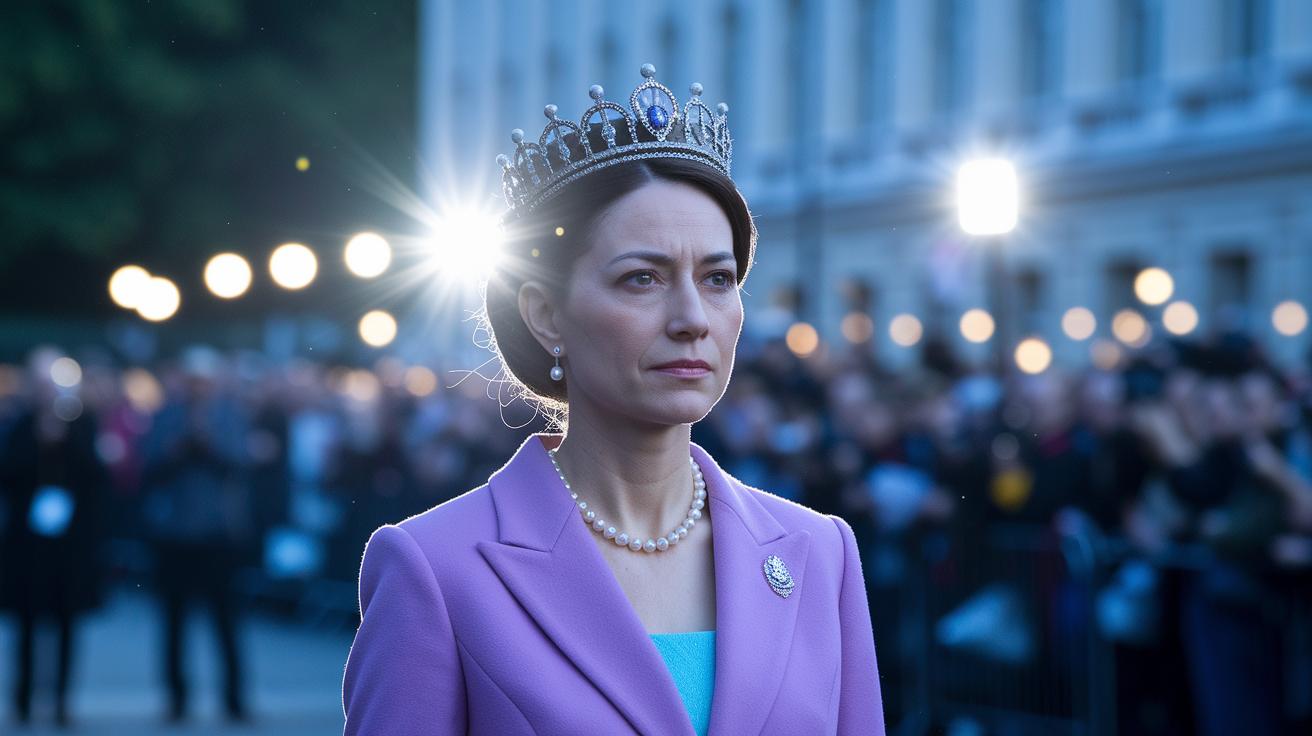
Diana’s life was like living under a relentless spotlight, with media buzz painting a picture that never fully captured who she was. Photographers chased her every move, creating a story that mixed heartbreak with a mysterious allure. Headlines splashed her private moments everywhere, stirring up public curiosity and shaping the way people around the world saw her. Picture a headline saying, "Before becoming a beloved icon, Diana was haunted by the constant flash of cameras," perfectly showing how that invasive attention became part of her early story. Even with these challenges, she shone through as a symbol of compassion and strength, sparking important chats about privacy and the heavy price of living in the public eye.
Case Study 2: Kim Kardashian’s Reality-to-Instagram Empire
Kim Kardashian’s jump from reality TV star to digital queen is a perfect example of reinventing one’s image. Starting out on TV, she quickly learned how to turn every candid moment into content that connected with millions. With her smart use of social media, Kim built a personal brand that now commands a global following of over 200 million. Imagine reading, "From TV fame to digital influence, Kim transformed every selfie into a bold statement," highlighting how she mixed instant access with genuine connection. Today, with clever brand deals and direct chats with fans, she keeps stealing the spotlight and reshaping what modern fame really means.
Case Study 3: Viral TikTok Celebrity Rise
A breakout TikTok star shows us just how much the rules of celebrity have changed today. In the digital age, one catchy video can turn an unknown face into a star overnight. This creator’s fast rise is a great reminder that raw, real talent now has a shot at big time, sidestepping traditional media entirely. Someone might say, "In a world where a 15-second clip can launch a career, digital stardom offers a fresh path to fame," perfectly capturing the excitement of this new era. This story is all about creativity, lively social buzz, and perfect timing, the very ingredients that power today’s influencer scene.
Emerging Trends in Celebrity Culture: Beyond Paparazzi and Influencers
New tech is shaking up how we experience celebrity life. Imagine chatting with a fun, clever virtual host at a VR concert, it's like having a front-row seat at your favorite red carpet event, only online.
Digital storytelling is also getting a fresh twist. Now, social algorithms help artists and brands pop up on cool new platforms, making it easy to create interactive moments that really click with fans. And that means micro-influencer collabs are sparking warm, genuine conversations that turn everyday scenes into viral buzz.
Picture live shows where augmented reality makes every color pop and every detail jump out at you. These cutting-edge marketing ideas give fans a behind-the-scenes look at their idols, knitting a tighter, more personal community.
Platforms are now all about honest storytelling, where real interactions meet smart digital flair. With news cycles leaning in on creators who mix authenticity with a dash of tech-savvy style, our view of celebrity culture is getting a whole new makeover.
Final Words
In the action, we explored how celebrity culture shifted from the intrusive world of paparazzi to the vibrant realm of influencer empowerment. We traced the dramatic change from secretive, candid snapshots to creative, digital storytelling that pulls fans into a more genuine experience. Case studies dotted our journey, showcasing iconic transformations that redefined fame. The article highlights emerging tech and innovative trends set to reshape the scene. Embrace the positive vibes as you stay informed about these dynamic shifts in the industry. From paparazzi to influencers: The evolution of celebrity culture continues to charm and surprise.
FAQ
How has celebrity culture evolved from paparazzi to influencers?
The evolution of celebrity culture spans from invasive paparazzi techniques capturing unscripted moments to modern influencers who engage directly with fans on social media, gaining greater control over their image.
How is celebrity culture defined in the United States?
In the United States, celebrity culture is marked by intense media attention and public curiosity, shifting from tabloid scandals to digital media platforms that allow celebrities to craft their own narratives.
What does the concept of celebrity mean?
The concept of celebrity refers to public figures who gain fame through media exposure and personal branding, representing a shift from traditional stardom to interactive, digital fame.
What is the history of celebrities?
The history of celebrities spans decades—from the 1950s paparazzi era that set the stage for public fascination to today’s digital influencers who redefine how fame is achieved and maintained.
When did the term “celebrity” come into use?
The term “celebrity” began to take shape in the mid-20th century as media coverage boosted the visibility of public figures and transformed private lives into public spectacles.
Who is considered the first celebrity?
Early Hollywood film stars are often seen as the first celebrities, as their public images were shaped by media coverage and fan adoration, setting the blueprint for modern fame.
How has the evolution of fame reshaped public engagement?
The evolution of fame has transitioned from scandal-driven tabloid attention to digital influencer empowerment, enabling artists to build direct relationships with fans and control their self-presentation.