


Ever wonder how some designer labels grab your attention like they're sharing a secret? It all starts with a little spark of creativity that quickly grows into a burst of vivid colors and thoughtful details. Imagine turning a simple brief into a striking sketch that softly shouts luxury and charm. Every line and pop of color comes together like a mini masterpiece, telling a stylish story with every brushstroke. Let's take a behind-the-scenes peek and see what makes these labels so irresistibly captivating.
The Creative Process of Designer Label Design
At the very start, a creative brief lays out the vision for the luxury label. Designers collect inspiration through mood boards filled with snapshots, sketches, and images that capture the brand’s unique vibe. Think of it like a secret note saying, "Our label should shout quality while whispering elegance."
Next, ideas come bursting to life. Designers dive into color studies using a chosen Pantone palette, picking hues that match the brand’s character and add a splash of artistry. One might say, "I picked this deep navy because it reminds me of the marvel of a midnight sky." They also use plenty of white space to make sure intricate sketches and neat text balance out beautifully, ensuring every tiny detail pops.
With all the core design elements set, the drafts transform into production-ready art files. Designers carefully fine-tune layouts and text details to make sure every line and color shines from screen to fabric. Picture a crisp digital mockup that beams with clarity, all set for high-speed jacquard looms to capture each delicate detail.
Historical Evolution of Designer Label Design
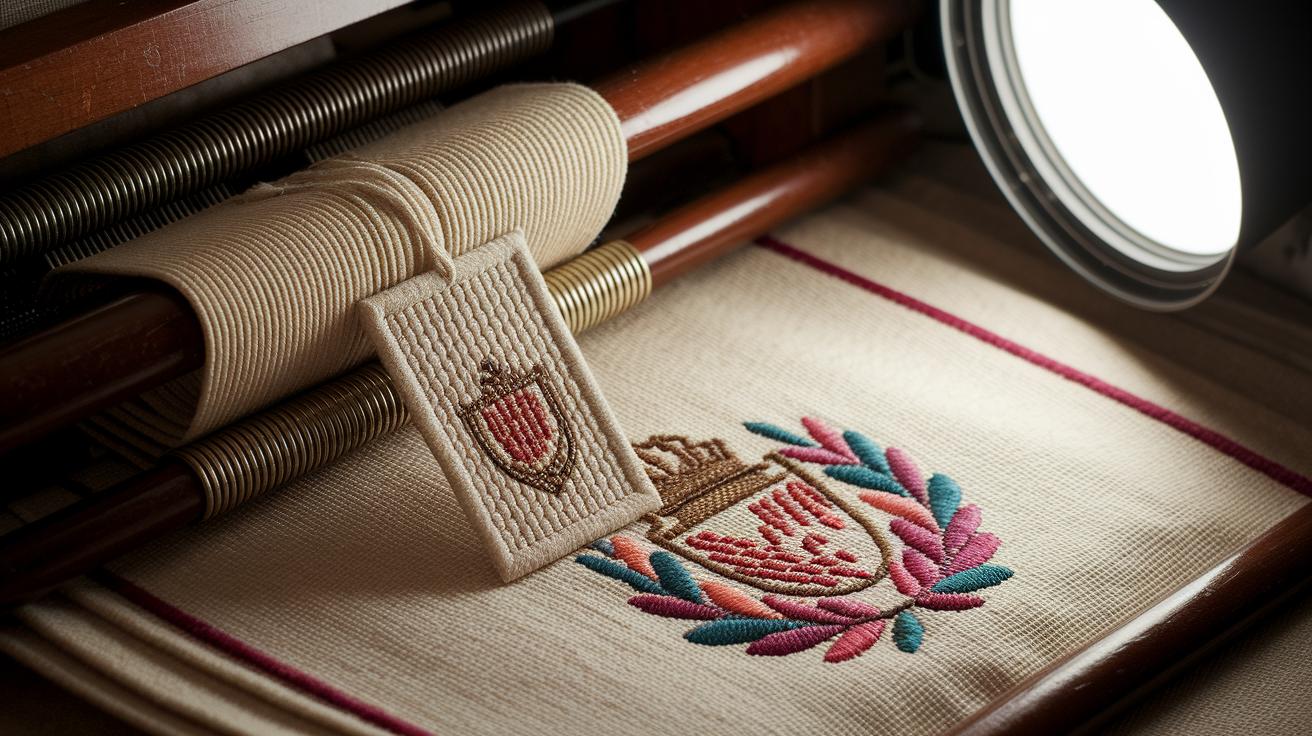
Labels got their start in a humble way, picture woven tags made on jacquard looms, each one capturing intricate logos and crisp text details. Back then, every label was lovingly crafted from strong, stylish fabrics, creating a timeless keepsake where every stitch told a story of quality. Hand-embroidered crests and manually added details set the gold standard, leaving a mark that screamed luxury for many years.
Then came the 1990s, and things shifted dramatically. Designers moved away from the handmade feel to embrace digital techniques that brought a burst of color and flexibility to the table. Digital printing allowed for creative freedom, letting designers mix traditional charm with modern flair. Challenges like the 2025 U.S. tariffs and a rising demand for sustainable materials pushed the industry to innovate even more, resulting in labels that beautifully blend a rich heritage with today’s cutting-edge style.
Key Design Elements in Designer Label Artistry
Every luxury label tells a story through its look and feel. Designers mix colors, fonts, spacing, and textures to make tags that do more than just share information, they make you feel a little sparkle every time you see them. Whether it’s a woven label that whispers style or a printed design that dazzles under soft stage lights, each choice brings the brand’s personality to life.
Here are the key elements that shape this magic:
- Color palette strategy
- Typography hierarchy
- Logo scale and placement
- Material finish and texture choice
- White space optimization
- Print resolution standards
When these six parts come together, the result is like a perfectly choreographed dance. Imagine choosing a special color set, maybe two to eight shades, to set a mood that’s both lively and subtle. Typography isn’t just about picking a fun font, it makes sure every word is clear and easy to read, even on the tiniest label. And the right sizing for logos and images keeps the design feeling spacious and inviting, almost like a breath of fresh air. Plus, high print resolution makes every detail crisp, keeping the overall look as glamorous as a red carpet event.
All these elements work together to make a label that goes beyond slapping a design on a product. It creates an experience that grabs your attention, boosts the brand’s shine, and even gives you the confidence to pick it up at first glance.
Case Studies of Innovative Designer Label Design
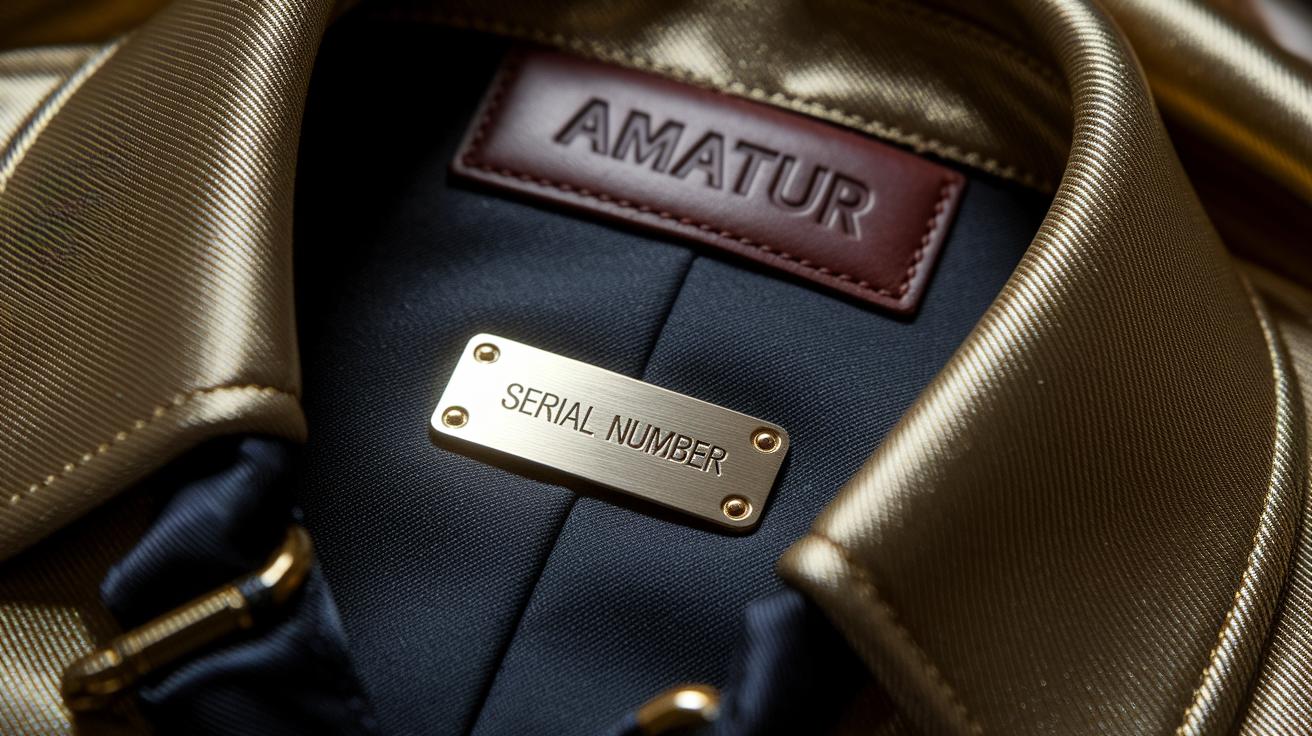
Couture brands are shaking things up by turning plain labels into dazzling statements of luxury and tech innovation. Imagine custom tags for limited-edition pieces sporting sequential numbers and premium materials, everything sparkles with exclusivity. And, fun fact: nearly 59% of U.S. shoppers check out labels before buying, so every tiny detail really counts.
Exclusive Couture Tags
High-end labels are stepping up their game with metal plates, leather tabs, and specialty fabrics that radiate luxury. Designers add a personal twist with sequential numbering, making each label feel like a secret collector’s gem. One creative mind put it perfectly: "Each piece tells its own story, turning a simple label into an emblem of quality." Embossed logos seal the deal, transforming a marketing tool into a true symbol of a brand’s commitment to excellence.
Tech-Integrated Labels
Today’s labels aren’t just eye candy, they invite you to dive into an interactive brand experience. Brands are now embedding NFC chips and RFID tech into their labels, so a quick tap with your smartphone might reveal the product's backstory. This seamless blend of art and technology not only reassures buyers about authenticity but also shows off a brand’s forward-thinking flair.
Innovative designs like these prove that labels can be both stunning visual statements and clever communication tools.
Current Trends in Designer Label Design
You know, these days designers are shaking things up by mixing eco-friendly methods with fresh printing techniques and soft, touchable finishes. It’s no wonder people love labels that are kind to our planet. In fact, about two-thirds of consumers are ready to pay a bit more for labels crafted from materials that can be recycled or naturally break down. Labels aren’t just about giving you the lowdown anymore, they weave stories, spark emotions, and charm your senses with every little detail.
| Trend | Description |
|---|---|
| Sustainability | Eco-friendly vibes: Labels made from materials that can be recycled or composted attract buyers who care about our planet. |
| Textured Finishes | Soft, tactile touches: Clever embossing and gentle coatings give labels a luxurious feel you can actually sense. |
| Narrative Art | Storytelling magic: Tiny artworks on labels share the brand’s unique journey, making each piece a captivating mini-masterpiece. |
| Digital Printing Innovations | Vibrant visuals: Cutting-edge digital printing produces bright, detailed designs that grab your attention instantly. |
What we’re seeing is a true glam revolution where practicality meets chic style. Designers perfectly blend eco-friendly materials, textural delights, and vivid imagery to create labels that do so much more than just list ingredients. They spark interest, build trust, and turn every package into a little work of art that catches your eye at first glance.
Strategic Practices for Print and Digital Designer Labels

In the world of label creation, getting it right starts with a solid game plan that keeps production smooth and your brand’s style distinct. It all kicks off with a clear, focused brief where everyone comes together to nail down the project’s goals and must-have design details. Thanks to roll-to-roll printing, a method that uses a continuous roll of material, manufacturers can produce large quantities at a great price while still keeping quality in check.
And there’s more good news: modern brands are now using smart RFID technology. Think of RFID as a high-tech tracking system that watches over your labels, ensuring every design touch is preserved from creation to distribution. It’s like having a behind-the-scenes pass that guarantees every product steps out looking its absolute best.
Every tiny detail counts, so a strict quality control process is in place to make sure that each label meets top-notch standards before it even reaches the packaging stage.
Here’s a quick rundown of the key steps:
- Brief development – Start by laying out your design objectives, customer messaging, and essential elements, so everyone’s in sync.
- Material testing – Experiment with different fabrics and finishes to find the perfect match for your design, ensuring they hold up in production.
- Print proofing – Create detailed mockups using both digital and traditional printing methods to verify that colors, typography, and logos reflect your vision.
- QC protocols – Implement strong quality checks that confirm each label showcases clear, sharp design and exceptional craftsmanship.
- Packaging/logistics planning – Finalize sturdy packaging strategies that protect your labels while keeping distribution smooth and efficient.
With this organized approach paired with modern techniques, manufacturers can produce labels that not only dazzle in print and online but also perfectly capture the essence of your brand.
Final Words
In the action, we journeyed through the creative spark behind high-end label design. We explored the creative brief, from mood boards to digital mockups, and traced a rich history from handcrafted tags to digital innovations.
We broke down the key design elements and showcased case studies that spotlight exclusive and tech-integrated labels. Plus, we unraveled current trends and practical strategies for both print and digital outputs.
Every insight shines a light on exploring the art of designer label design, leaving us with a renewed sense of creativity and excitement.
FAQ
What are free label design templates?
Free label design templates offer pre-designed layouts that you can easily customize to match your brand. They simplify the process of creating attractive labels for your products.
What is a product label example?
A product label example shows how typography, color, and imagery work together to communicate a product’s identity clearly. It serves as inspiration for your own label designs.
What is an Adobe Labels template?
An Adobe Labels template is a pre-made file for Adobe software that provides a starting layout for your label. It helps ensure precise design and saves time during creation.
Which font should be used for label design?
The font for label design means selecting a typeface that is clear and stylish. This enhances readability on your label while complementing your brand’s identity.
How does Canva help with label design?
Canva offers an easy-to-use platform with customizable label templates. Its drag-and-drop features make it simple for anyone to create professional and appealing label designs.
What are the types of labels in packaging?
Types of labels in packaging include flexible tags, in-mold labels, and shrink sleeves. Each type is designed to display product information effectively and suit various packaging needs.
What is a Photoshop label template?
A Photoshop label template is a layered design file created in Adobe Photoshop. It provides a ready-made layout that you can adjust, ensuring your label looks polished and professional.
What is a Label Maker?
A Label Maker is a tool—either a device or software—that helps create printed labels quickly. It streamlines the design process for businesses that need consistent, attractive labels.