
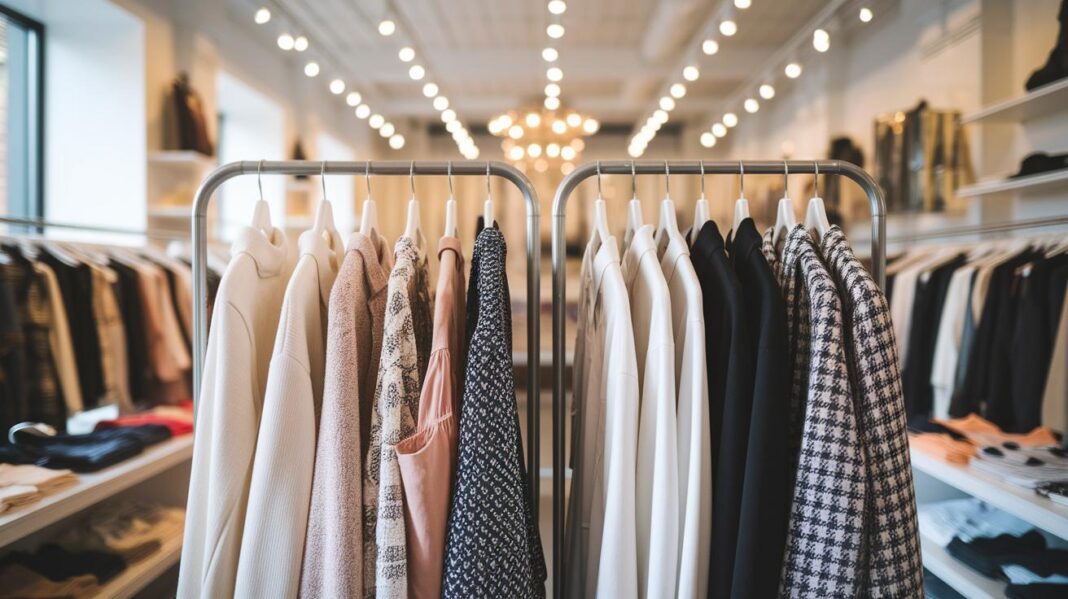

Ever notice how that designer jacket feels like a hidden gem compared to those cheap pieces that barely last a few wears? Imagine it like the difference between a beautifully orchestrated red carpet moment and a snap decision at a hurried event. In this post, we'll dive into the magic behind designer quality versus fast fashion’s quick fixes. Stick with us to discover why every careful stitch can turn a fleeting trend into a timeless treasure.
Designer Labels vs Fast Fashion Brands: Quality and Craftsmanship Differences
When it comes to stylish garments, designer labels really stand out by using top-notch materials and careful construction techniques that make each piece last. Every item is treated with great care, going through detailed checks from the very first cut to the final stitch. Ever heard about that designer jacket that held up through a wild night on the red carpet? It’s a fun example of just how much effort goes into making sure each item meets the highest standards. In contrast, fast fashion often uses cheaper methods that can lead to uneven seams and pieces that don’t hold up well over time.
Many high-end brands even have a special review process for selecting fabrics, ensuring every material they use meets strict quality standards. This fabric check is repeated with every new collection, which keeps their pieces unique and built to last. On the flip side, fast fashion produces clothes in mass quantities, and you can often see the difference in how quickly these items wear out or show finish inconsistencies.
All those extra steps sure pay off, with designer pieces offering a lasting, timeless feel that fast fashion rarely matches. The careful attention to garment structure and fabric selection paints a clear picture of the commitment to quality that defines a designer label.
Designer Labels vs Fast Fashion Brands: Production Methods and Ethical Considerations
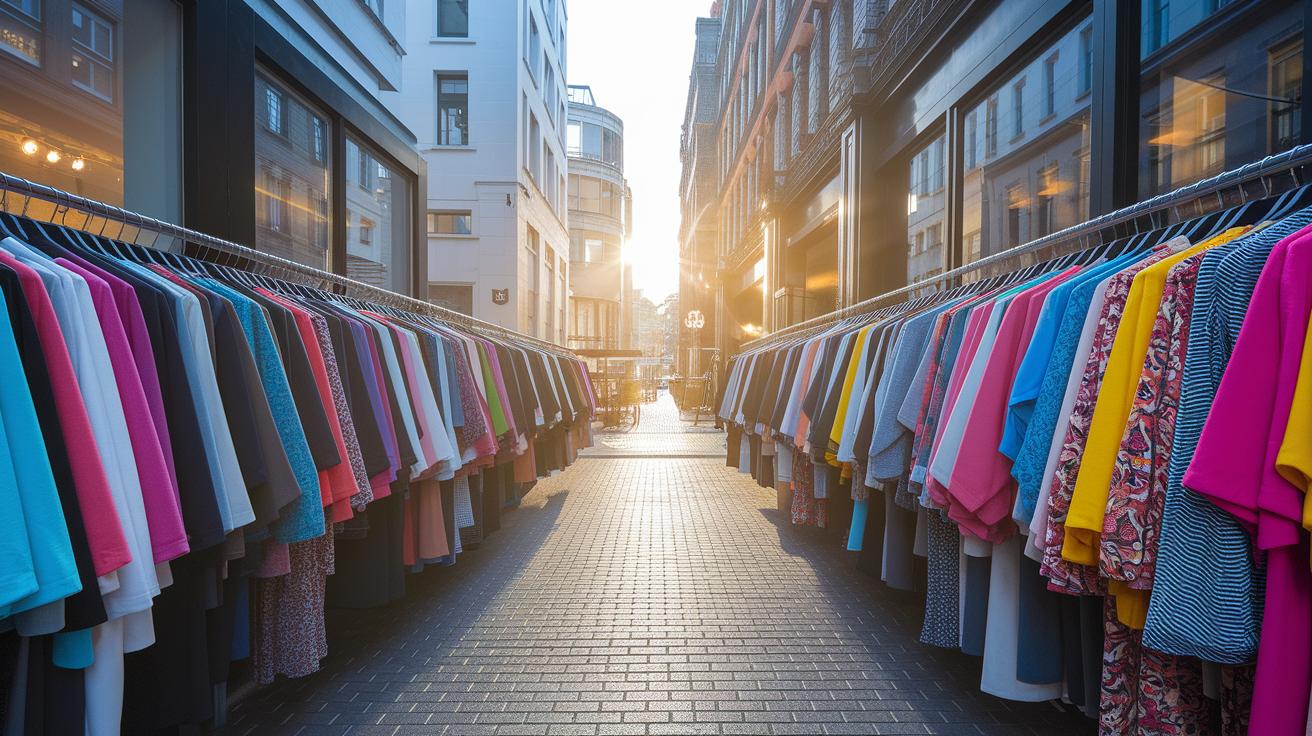
Fast fashion brands churn out new designs almost every week, making store displays change as quickly as the latest trends. Imagine this: one fast fashion shop can roll out over 100 new pieces in a single week! That means what you bought yesterday might seem outdated today.
On the other hand, designer labels take their time. They debut one exclusive collection each season, with every item lovingly crafted using top-quality techniques and careful artisan details. Each piece goes through several checks, from choosing the best materials to adding the final touches. This slow, thoughtful process keeps their collections special and ensures each garment is a hit in both style and quality.
When it comes to production, ethical concerns play a big role. Fast fashion companies often get their materials and do production in countries like China, India, Bangladesh, or Vietnam. Sometimes, conditions in these factories might not be the best. Meanwhile, designer brands usually manage their production more closely. Their slower pace means they can keep an eye on quality and even put eco-friendly ideas into play.
This contrast between speedy and careful production not only shows two different creative visions but also sparks lively conversations about making fashion more sustainable in the future.
Designer Labels vs Fast Fashion Brands: Brand Positioning and Exclusivity
Designer labels build their charm by mixing rich heritage stories and top-notch craftsmanship into every piece. Imagine a special jacket that comes with a tale of skilled artisans and carefully chosen fabric, it feels one-of-a-kind, like a treasure you get to own. This unique vibe makes every piece feel like a slice of history, turning it into a highly sought-after gem.
Fast fashion brands, on the other hand, focus on quick trends and mass production. They bring runway styles to you in a flash, aiming to please a wide crowd. However, these items often miss that special, collectible touch that comes with limited releases and expert detailing.
Key differences include:
- Rich storytelling that boosts the allure of rarity.
- Handcrafted details that make each designer piece stand out.
- Fast production that keeps you trendy but less unique.
People who want something timeless lean toward designer labels because they know every item is made with care and precision. Meanwhile, those who love changing styles quickly prefer fast fashion for its ever-new collections. In the end, each approach offers its own special way to connect with what makes fashion fun and personal.
Designer Labels vs Fast Fashion Brands: Price Disparity and Consumer Value
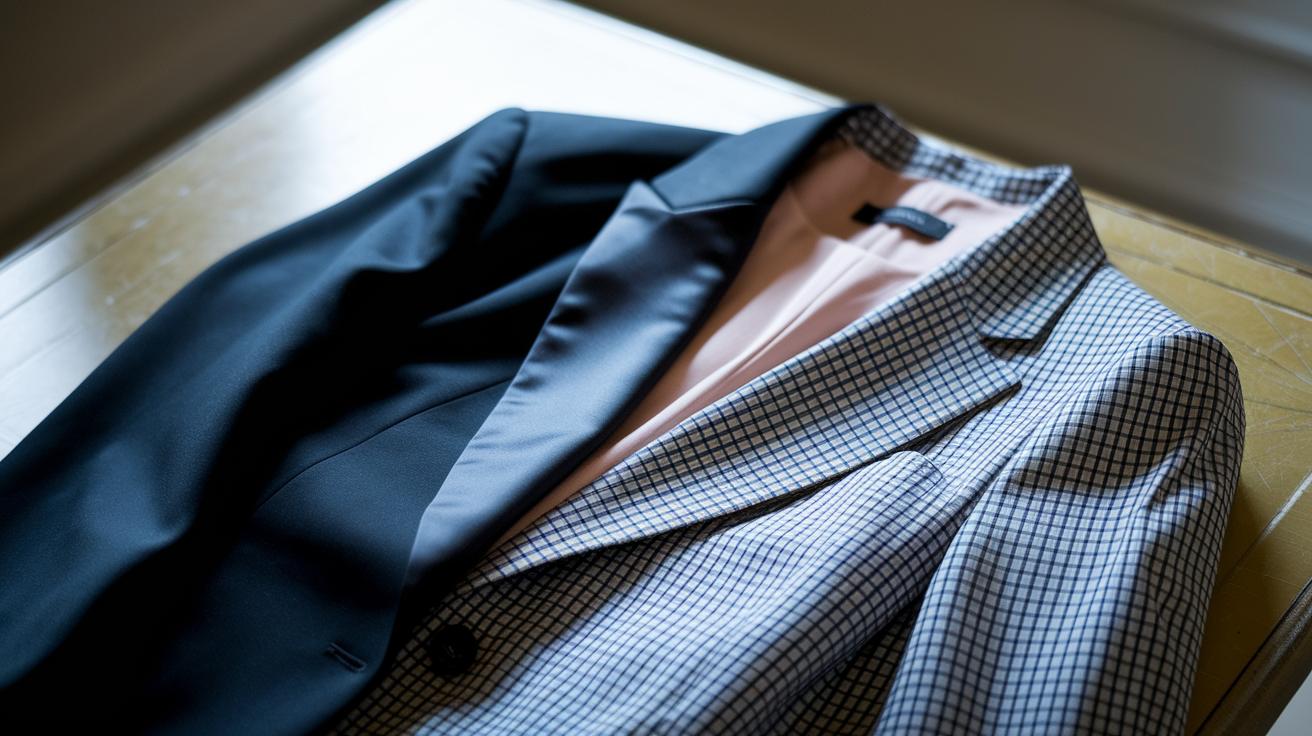
Designer pieces come with a pretty hefty price tag because they’re made with top-notch materials and true artisan skill. Imagine this: a designer blazer might set you back nearly ten times more than a fast fashion version, not just because of the fabric quality but also because every stitch carries a bit of craft magic. Sure, you might score a great deal during a seasonal sale or at a chic outlet, but the special value of these pieces stays rock solid. They’re crafted with such care that they offer lasting style and durability, much like a favorite red carpet look you never forget.
On the flip side, fast fashion items usually come in under $20 and often come with bundles like three for $100 or special prices when you add extra items to your bag. These budget-friendly finds are perfect if you’re chasing the latest trends without expecting them to be your forever wardrobe. While they give you that instant style kick, the quality tends to fade fast, sort of like how a trendy pop star’s look might only last one night.
In the end, the difference in price tells a bigger story than just dollars and cents. It highlights the high level of craftsmanship, the lasting quality, and the unique brand prestige that designer labels bring to the table. When you splurge on upscale fashion, you’re not just buying clothes, you’re investing in enduring style and a piece of wearable art that fast fashion just can’t match.
Designer Labels vs Fast Fashion Brands: Sustainability and Environmental Impact
Fast fashion churns out clothes at lightning speed, and many of these trendy pieces barely get a few wears before they’re tossed aside. This runaway cycle fills up landfills and adds to pollution, kind of like leaving a trail of glitter after a wild party.
On the flip side, designer brands are all about quality over quantity. They invest in top-notch, eco-friendly fabrics and use sustainable methods from start to finish. Think of them as creating timeless capsule collections that don’t go out of style with the next trend, sort of like a classic movie that never gets old. Ever wondered how a big label keeps its eco footprint tiny? Picture a designer turning recycled fibers into an eye-catching collection. It’s sustainable style with a serious wow factor!
Key points to note:
| What They Do | Why It Matters |
|---|---|
| Chooses gentle, eco-friendly materials | Less harm to the planet |
| Creates collections built to last | Reduces waste over time |
| Highlights fast fashion’s disposable nature | Draws attention to environmental impact |
Overall, these two approaches spark a big ethical debate about fashion’s role in protecting our planet. Imagine it like comparing an art exhibit that’s thoughtfully curated to a pop-up shop that comes and goes in a flash, one honors lasting beauty and careful production, while the other often leaves behind a messy, unsustainable mark.
Final Words
In the action, we broke down quality, production methods, brand image, pricing disparities, and eco-friendly choices in fashion. We unpacked the differences between designer labels and fast fashion brands, highlighting how each handles craftsmanship and consumer value. A closer look at ethical production and sustainability revealed a smart contrast that helps you see where your money goes. Every detail paints a clear picture of modern style, inspiring a positive approach to making fashion decisions. Enjoy your renewed view on today’s dynamic world of style!