

Ever wondered why a designer label shines so brightly? Every luxury brand hides a secret process that catches even the tiniest mistake before it becomes a big deal. Experts compare press sheets and even make live tweaks while the print is happening to ensure everything is perfect.
This article is like your personal backstage pass. It reveals how detailed quality checks keep a brand’s unique style alive while making sure each detail meets the highest standards. Ready to discover the insider tricks that turn a simple print job into a glamorous display of quality?
Key Quality Control Measures in Designer Label Production
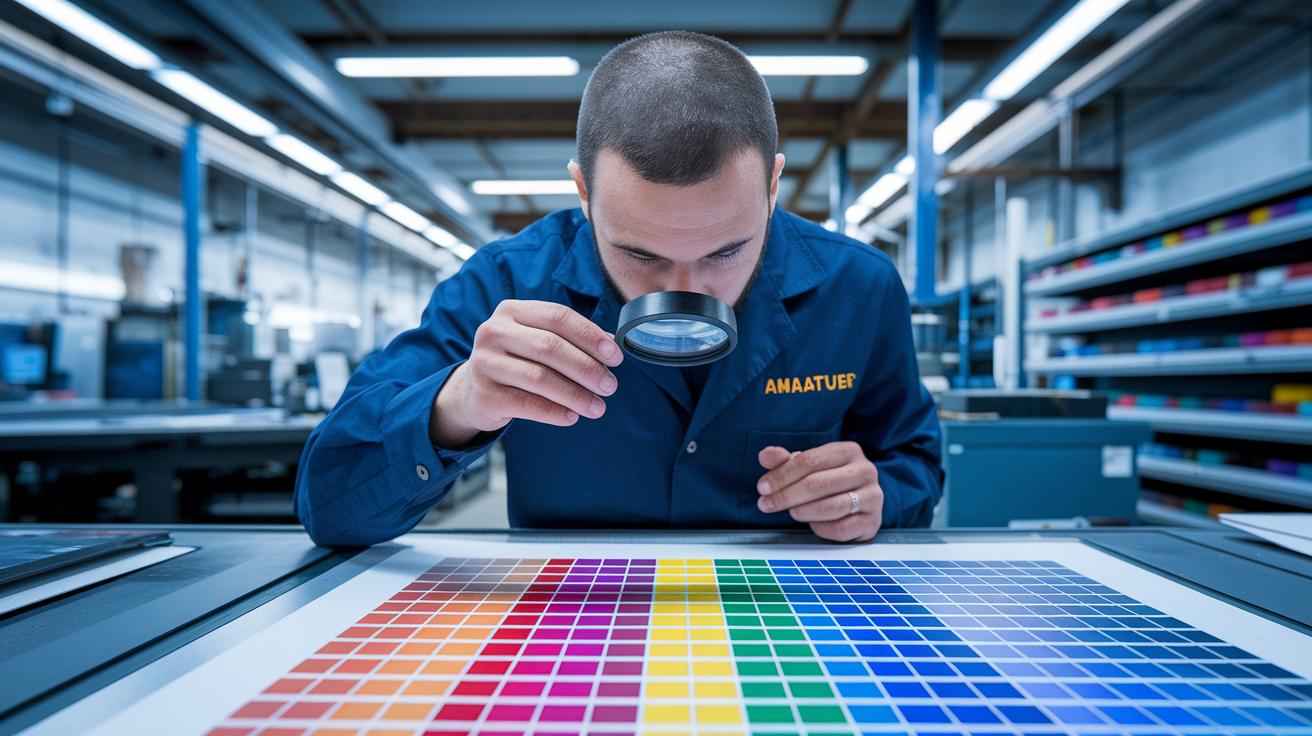
Every designer label starts off with careful quality checks that catch even the tiniest mistakes before any printing happens. Imagine this: before a label goes to print, experts compare the press sheet with the approved artwork using tools like Global Vision or even manual inspections. This crucial step makes sure the design stays true to the original creative vision.
During production, there’s a cool live press approval process where artists can quickly adjust things like varnish or colors as needed. Operators are always on hand, checking everything, think die cuts, rewind tension, and even the core’s strength. With real-time mapping, whether it’s digital signals or handwritten notes, any hiccups are spotted and fixed fast, keeping everything running smoothly.
- Before printing, quality checks compare the press sheet to the approved artwork using tools like Global Vision or through manual review.
- Live press approvals let artists tweak minor details, such as varnish or color adjustments, right on the spot.
- Operators set up and double-check every printing component, making sure die cuts, rewind tension, and core integrity are spot on.
- Real-time error detection is used to catch and correct issues quickly.
- Post-print rolls are carefully inspected against job-ticket details before being packaged.
- A consultative sales process is built in, promoting ongoing improvements in quality control routines.
These steps help keep the brand’s style consistent and ensure that every label meets high standards. By sticking to systematic routines and addressing problems right away, the process reduces errors and builds a reputation for top-quality designer labels.
Streamlining Designer Label Production with Luxury Brand Fabrication Procedures

In the early stage, pattern making, sample creation, and grading & marking set the stage for a perfect designer label. Think of it like preparing for a big red carpet event, the team checks every detail, making sure each line and stitch looks just right before the design takes center stage.
Lean sequencing is the secret to keeping things moving smoothly. By using real-time data from start to finish, every step feels perfectly timed, much like a well-choreographed dance. This careful planning not only avoids little hiccups along the way but also lets the team make quick tweaks when needed.
Lastly, advanced workflow planning ties everything together like the final touch on a glamorous outfit. From the first sketch to the finished product, each piece is carefully aligned with quality checks. This meticulous process ensures every label shines with luxury, proving that even the smallest details matter in creating high-end fashion.
Precision Raw Materials Selection and Supplier Qualification in Designer Label Production
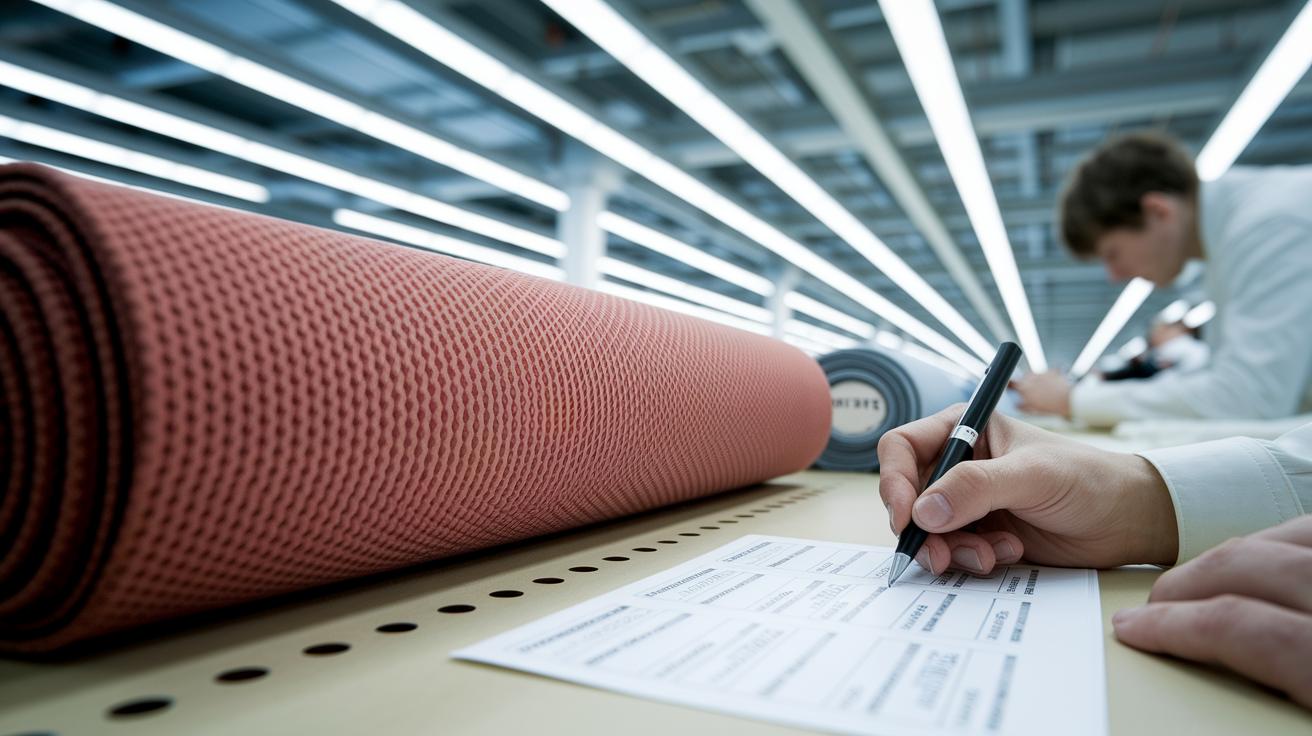
The secret to top quality is picking the best raw ingredients right from the start. At our QA station, every material is checked carefully against job tickets for things like fiber content, weight, and finish. This first check makes sure every item is just right for a high-end label. Plus, we use sustainability certifications to help us choose suppliers who match our ethical and quality standards. All these measures keep every raw input consistent, cutting out variations from one batch to the next so each label shines with flawless quality.
Next, we dive deep into supplier qualification with a risk-based vendor review. We assess vendor reliability by running detailed traceability audits and checking that their workshops follow ethical standards. This thorough approach confirms that each supplier has a solid track record. Additional audits ensure that the raw materials always meet our high expectations. By combining these careful checks with regular consistency reviews, we reduce defects and protect the brand’s reputation, keeping quality issues well at bay.
Automated Inspection and Real-Time Monitoring in Designer Label Production

Technology has completely changed the way quality is controlled for designer labels. Today’s sleek Global Vision systems and smart cameras sweep over press sheets, catching any color slips or misalignment like a backstage fashion scout. Meanwhile, inline sensors keep a careful eye on rewind tension and die-cut precision, ensuring every label truly meets the high expectations of a luxury brand.
Then there’s the automated mapping software, which quickly flags any web defects for review. This harmonious blend of on-the-fly inspection and integrated monitoring boosts the reliability of the entire production line, giving every label its moment to shine.
Real-time monitoring is a game-changer for keeping batches consistent and avoiding any unexpected stops in production. Upgraded control tools now send key performance data straight to factory dashboards, so teams can tackle issues the minute they arise. With immediate alerts, even the smallest hiccup is fixed without delay, ensuring that each run upholds the impeccable standard of its designer label.
Audit and Certification Measures for Designer Label Quality Control

Imagine you're backstage at a dazzling designer event, where every detail matters. At each QA station, we capture everything, from the first pre-print check to the final packaging, in neat, detailed logs. These records are our little behind-the-scenes stories that ensure all the right steps are followed and export rules are met. Regular risk audits, much like a quick paparazzi snap, quickly spot any missteps so nothing ever slips through the cracks. This careful process keeps every part of production clear and accountable, just like a well-rehearsed fashion lineup.
Every now and then, compliance reviews roll in to make sure the entire production scene matches ISO standards and all the international certification buzz. Experts dive into the audit trails and documentation, checking that every risk audit is done to perfection, kind of like ensuring every red carpet look is flawless. These rigorous certification steps build serious credibility, giving you peace of mind that our process meets even the toughest requirements while protecting the brand’s sparkle and reputation.
Data-Driven Improvements in Designer Label Production and Quality Control

Analytics are the secret backstage pass to flawless designer label production. Imagine a team that watches over every detail, tracking defect rates, machine uptime, and the yield from packaging, feeding these clues into a handy performance dashboard. It’s like spotting a cue on a busy set that tells everyone, "Hey, we need a quick fix!"
And then there’s lean six sigma, a smart way to keep improving things. This method helps the crew reduce mistakes and boost inspection accuracy. Team members from different areas come together to set fresh goals and adjust their moves, keeping the whole process as updated as a trending celebrity look.
| Metric | Purpose | Target Threshold |
|---|---|---|
| Defect Rate | Watch product consistency | Under 2% |
| Press Uptime | Keep things running smoothly | 95%+ |
| Packaging Yield | Check final product quality | 98%+ |
By keeping a close eye on these numbers, the team can spot issues fast and fix them before they become big problems. Thanks to this smart, data-driven approach, every designer label continues to meet the high standards that make luxury brands so special.
Case Studies on Quality Control Excellence in Designer Label Production

Ever wondered how luxury labels keep their shimmer? Real-world success stories reveal that careful, hands-on checks mixed with digital tools are the secret sauce behind these designer brands. Each label gets a thorough look, from making sure the artwork pops just right to the final, stylish packaging, all to preserve a brand’s one-of-a-kind charm with that perfect blend of modern design and classic quality.
MAES London QC Protocols
MAES London sets a sky-high standard for quality control. Their process kicks off with a close look at the artwork before printing, using smart digital systems alongside human eyes to catch any little slip-ups. And, they keep things in check through every stage right up to the final package. It’s a cool mix of technology and expert craftsmanship that makes sure everything feels just as luxurious as it looks.
Boutique Luxury Brand Improvement Model
Boutique labels are taking quality control to a whole new level by teaming up experts from different fields and using lean Six Sigma cycles (that’s a method to keep processes smooth and efficient). They rely on real-time dashboards and quick-response fixes to monitor every step in the production line. By working together closely, even the tiniest issues get spotted and sorted out fast, making sure their exclusive designs always stay on trend. These innovative brands are setting a pace that not only fixes flaws but also paves the way for future industry breakthroughs.
Putting these stellar approaches together, both MAES London and boutique luxury brands prove that pairing smart checkpoints with creative teamwork not only wipes out defects but also keeps the high standards of designer labels consistently dazzling.
Final Words
In the action, we explored the meticulous methods behind designer label production and quality control insights. We unraveled strict checks from pre-print and material selection to automated inspections and rigorous audits, all ensuring flawless output.
The blog highlighted real-world examples and data-driven fixes that keep every label on point. The inside scoop on streamlined processes and continuous tweaks blends efficiency with glamour, leaving us excited about the bright future ahead.
FAQ
What insights are shared in designer label production and quality control presentations?
The designer label production and quality control ppt highlights key inspection stages, from pre-print checks using approved artwork to post-print roll examinations, ensuring luxury brands consistently deliver top-tier quality.
What do apparel quality management PDFs explain?
The apparel quality management PDFs outline detailed garment inspection practices and quality assurance measures, using clear guidelines and checklists to help maintain high manufacturing standards.
What does line QC in garments involve?
The line QC in garments involves real-time quality checks along the production line, where workers actively inspect processes to catch and correct any issues, keeping each garment up to standard.
How do you check garment quality?
The process to check garment quality includes visual and tactile inspections, alongside testing fabric and stitches, ensuring every garment meets the industry’s strict quality criteria.
What are quality standards in the textile industry?
The quality standards in the textile industry establish clear criteria for materials, testing methods, and acceptable tolerances, which guide manufacturers in producing reliable, high-quality products.
When is quality control applied in a garment’s supply chain?
Quality control in a garment’s supply chain is applied at several stages—from raw material selection through pre-production to final packaging—to catch issues early and uphold brand quality.
What is the 7 point system in the garment industry?
The 7 point system in the garment industry comprises seven crucial checks across design, materials, production, and finishing stages, ensuring all aspects meet stringent quality requirements.
What are the four types of quality control?
The four types of quality control include incoming, in-process, final, and post-production checks, each playing a role in identifying defects and securing product quality throughout manufacturing.
What are the seven QC tools used in the apparel industry?
The seven QC tools in the apparel industry involve diagrams, check sheets, control charts, histograms, Pareto charts, scatter diagrams, and flowcharts, all designed to facilitate effective problem solving.
What is production and quality control?
Production and quality control merge the manufacturing process with systematic quality checks, ensuring every step—from assembly to final review—meets predetermined standards for superior output.