
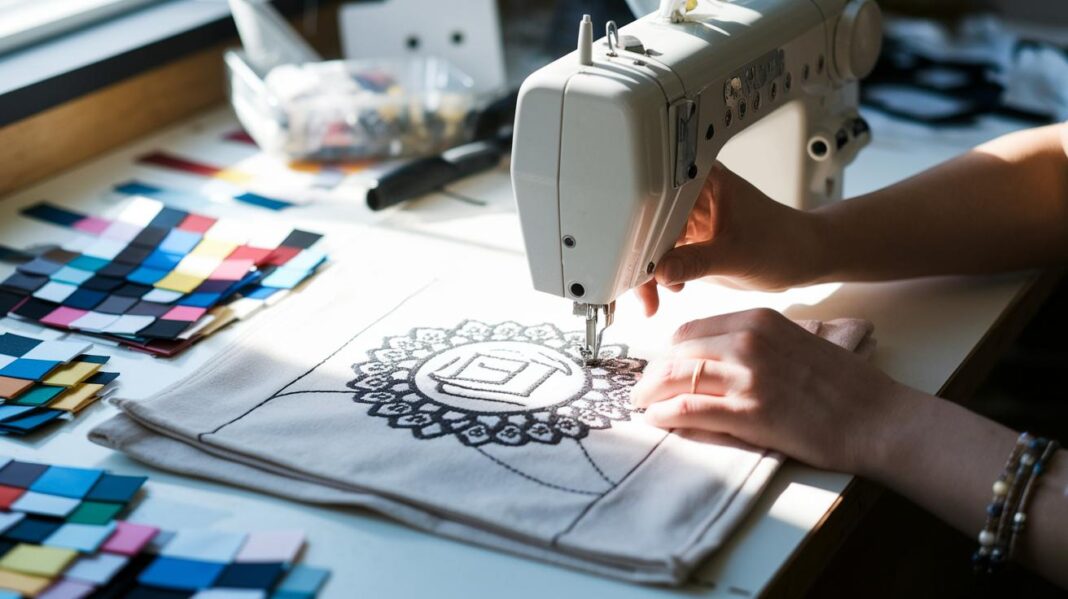

Ever wonder if a piece of clothing could tell a story that spans centuries? When master craftsmen work hand in hand with fresh, modern techniques, every creation feels like a lively chat between the past and today. Designers are now blending vintage methods with cool, new twists to craft styles that are both rich in history and daringly current. This exciting mix not only honors old-school craftsmanship but also lights up a creative spark that’s sure to thrill anyone looking for that one-of-a-kind touch of luxury.
How craftsmanship and innovation converge in designer labels

Designer labels today blend old-world craftsmanship with a fresh, modern twist. Modern ideas give traditional techniques a sparkle, so every stitch holds a bit of history while shining with today’s luxury vibes. And this mix not only celebrates skill but also rewrites the rules of what design can be.
New brands are hopping on this trend by mixing the charm of handmade details with the marvels of today’s tech. Sure, it’s a tricky dance, keeping the time-honored magic alive while inviting cutting-edge style to the party.
- blending hand-stitching with digital patterning
- merging heritage fabrics with new sustainable fibers
- combining traditional embroidery with laser-cut detailing
- uniting artisanal dyeing with eco-fabric technologies
- integrating precision tailoring with 3D printing
This union creates a playful balance between history and innovation that gives every label its unique personality. When old-school expertise meets the dazzling sparks of modern design, the result is fashion that feels rich in value and character. It’s a blend that not only elevates the art of style but also spins a compelling story, one that resonates with luxury lovers everywhere by merging a storied past with today’s buzz.
Historical roots of craftsmanship in iconic designer labels
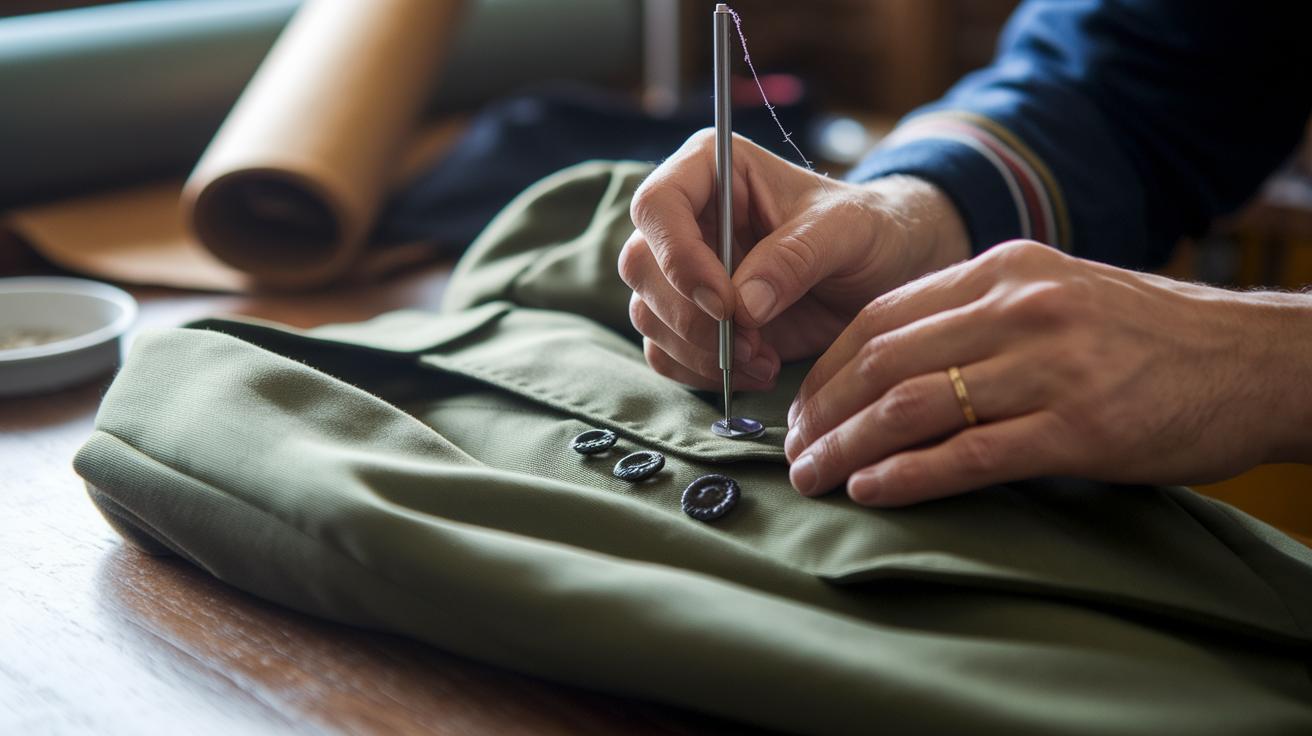
Back in the 1800s, fashion houses began experimenting with early tailoring methods. Artisans put their heart into crafting custom clothes using hand-loomed fabrics. Every little detail, from the hand-stitched buttonhole to the perfectly measured pattern, was a nod to their love for quality and skill. It was a very personal process, with each garment telling its own unique story, thanks to techniques handed down through generations.
By the mid-1900s, classic design ideas started to shape couture in a big way. Designers blended traditional methods with fresh, evolving styles to create signature looks that were both elegant and full of character. This clever mix of time-tested tailoring and modern innovation helped redefine style while keeping the sweet legacy of artisan craftsmanship alive for those who truly appreciate it.
Even today, designers are reviving these cherished techniques, mixing ancient methods with modern flair. They’re launching educational programs, reviving almost-lost skills, and teaming up with experienced artisans. This vibrant comeback of fashion heritage keeps the rich stories of craftsmanship alive, inspiring new creations that shine with unmistakable charm, all while paving the way for the future of luxury design.
Innovative techniques shaping advanced fashion craftsmanship

Modern fashion isn’t just following trends, it’s breaking new ground with cool innovations like laser cutting and smart textiles. Picture a laser beam’s shimmer carving out every perfect stitch, giving designers a fresh way to blend precision with art. It’s like watching backstage magic turn fabric into a work of art that’s both practical and mesmerizing.
Take a look at how couture has transformed with these inventive methods. Carbon-fiber organza weaving, for instance, mixes feather-light fabrics with rugged, high-performance materials, making each piece both delicate and surprisingly strong. And then there’s robotic embroidery, which creates intricate patterns with the steady hand of a machine, yet with a touch of artistic flair that feels almost human. Plus, modular assembly systems are bridging the gap between age-old tailoring techniques and the newest manufacturing tools. Digital patterns and AI prototypes are also part of the scene, letting designers merge timeless craftsmanship with the latest tech trends to deliver collections that pop with personality.
These breakthroughs are not just about the wow factor, they also boost quality and help craft bespoke pieces with care. Fashion houses today can mix traditional artistry with modern precision to create standout garments that feel as classy as they look. In the end, it’s all about marrying the best of heritage and progress to deliver designs that captivate, every single time.
Case studies: bespoke garment artistry in leading designer labels
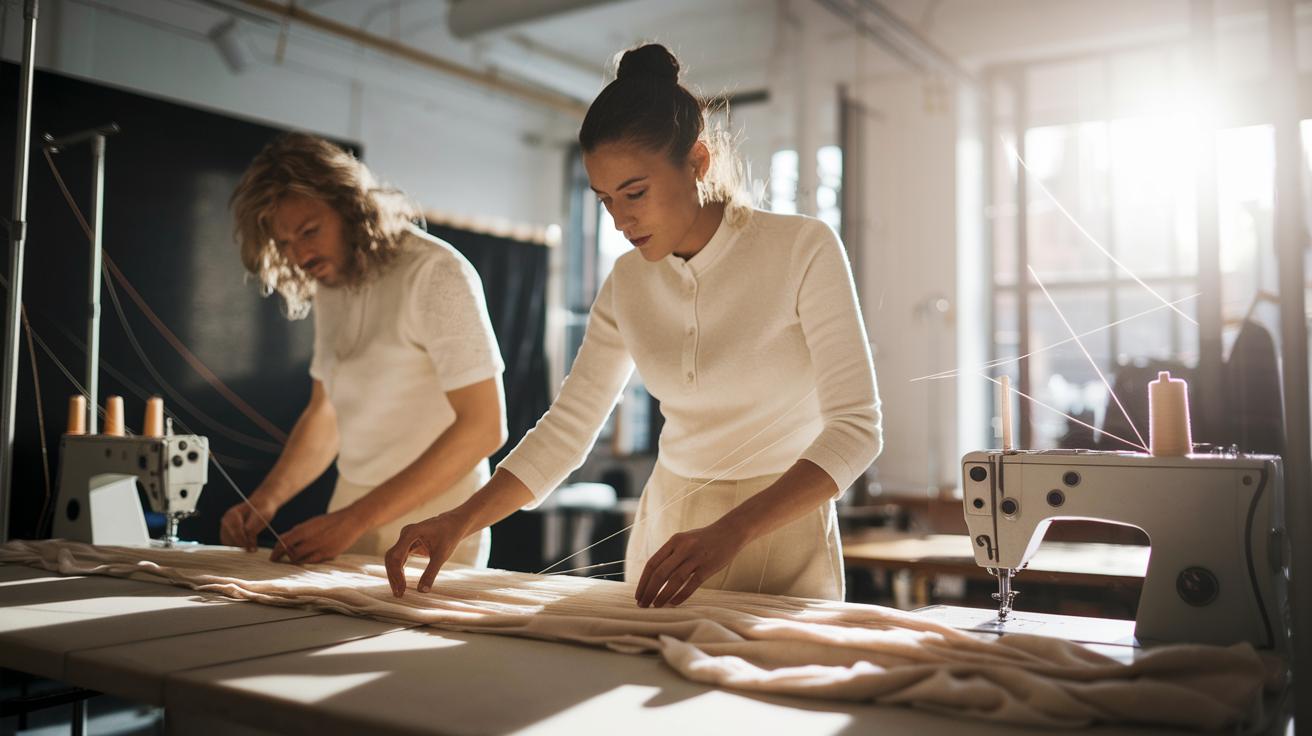
These case studies bring together a mix of time-honored craftsmanship and fresh, modern twists, turning garment creation into a true art. Each story gives us a little backstage pass into how top designer labels reinvent classic techniques with a splash of innovation. It’s like getting the insider scoop on how these brands weave their rich traditions into every unique piece.
| Designer Label | Craftsmanship Element | Innovative Approach | Notable Example |
|---|---|---|---|
| Ateliers AME x French Luxury Maison | Traditional scent‐inspired packaging | Brand-DNA ideation to execution | Timeless gift‐with‐purchase creations |
| Albagía | Heritage tailoring motifs | Contemporary pattern and textile reinterpretation | Sustainable fabric reinventions |
| Retailer-Brand Partnerships | Artisanal home goods production | Merging retail and dining experiences | Limited-edition capsule collections |
These collaborations show just how valuable blending classic details with inventive techniques can be. They don’t just keep the art of tailored craftsmanship alive, they push it forward. Whether it’s transforming a simple gift into a cherished memory or mixing the experiences of dining and shopping, every example underscores a spirited, ever-evolving charm. Each case study is a reminder that honoring tradition while embracing change is what makes a brand irresistibly unique in the luxury world.
Sustainable luxury innovation and future directions in craftsmanship
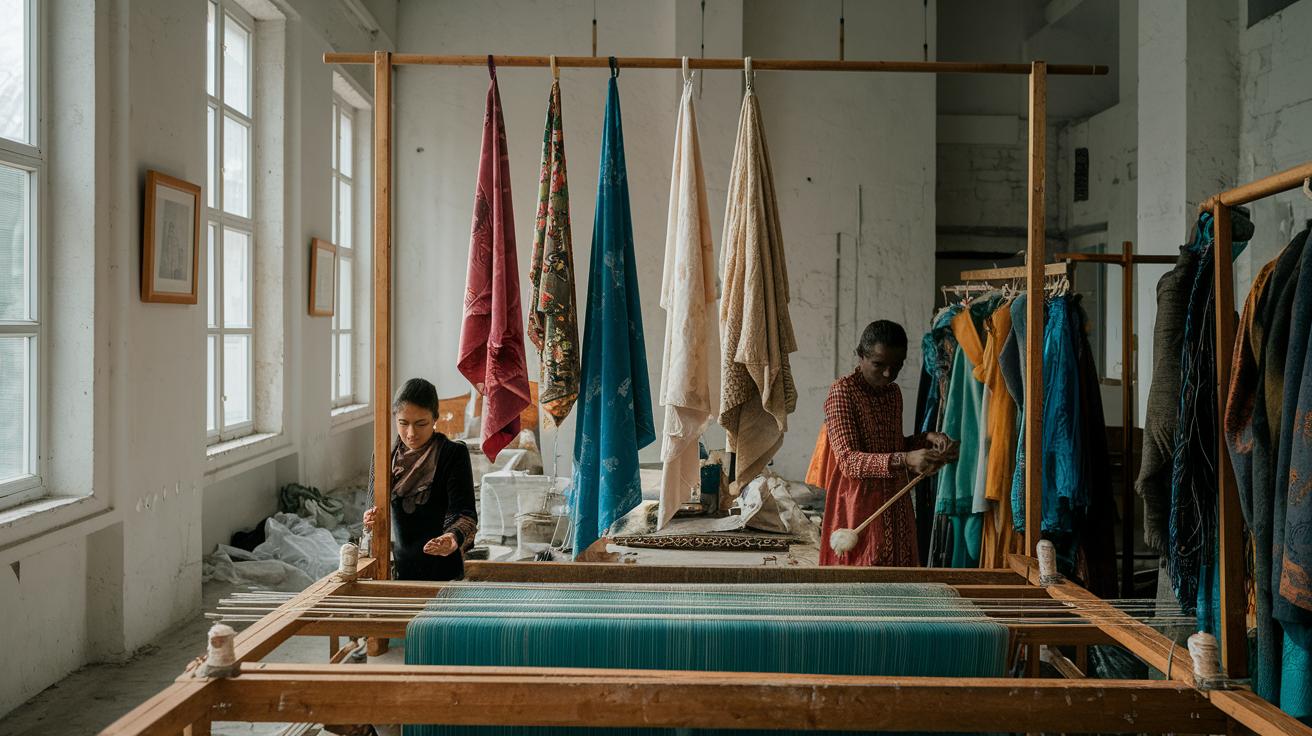
Luxury fashion is getting a fresh makeover with eco-friendly materials and ethical sourcing. Designer labels are turning to natural fibers, repurposed textiles, and organic dyes that lower environmental impact, all while keeping the magic of handcrafting alive. Picture a fabric woven from salvaged silk, it feels wonderfully soft and tells a story of renewal and respect for nature.
Modern design labs are embracing recycled fibers, biodegradable finishes, and even renewable energy for every step of the production process. These creative spaces mix old-school artisan skills with the latest green technology. For instance, imagine a label that starts with reclaimed cotton, uses plant-based dyes, and powers its workshop with solar panels. It’s like watching a traditional craft meet a state-of-the-art eco lab, where style and sustainability dance together.
Looking ahead, trends suggest a perfect blend of timeless artisanal techniques and fresh green innovations. As luxury brands continue to evolve, they are set to marry the charm of handcrafted details with planet-friendly practices, ensuring that every product stands as a tribute to both exquisite design and a greener future.
State-of-the-art production labs and technology in designer labels

Designer innovation workshops are now buzzing hubs where creative sparks meet real-world challenges. They bring designers and production teams together in a dynamic space that mixes traditional artisan skills with smart, modern processes. And here’s a cool tidbit: one top label even slashed its sample development time in half by streamlining workflows, all while keeping its signature style intact.
Every day, these production labs work hard to turn intricate design ideas into reality, even when time is tight. One expert said, "Our lab isn’t just about tech; it’s where every little detail gets a touch of finesse to keep our collections fresh and innovative." Real-world examples prove that these labs offer big advantages. For instance, one brand boosted its supply chain by using lab insights to adjust production on the fly, helping designers make well-informed choices that fuel their creative journey and honor traditional craftsmanship.
Keeping these innovative workshops alive lets labels experiment quickly, tailor designs on the go, and consistently deliver that celebrated, hand-finished quality.
Final Words
In the action, we saw how traditional techniques mix with fresh, tech-forward methods that keep designer labels buzzing with energy. The blog took a close look at heritage hand-stitching, eco-friendly materials, and high-tech tweaks that blend seamlessly to enhance both style and detail.
This fusion of heritage skills with modern tips proves that craftsmanship and innovation in designer labels are alive and thriving. It's a vibrant world of style with a bright future ahead. Enjoy the ride!