


Have you ever wondered if it's really fair to peek into a celebrity's private life? In a dazzling world where glamour meets secrets, the media finds itself in a tug-of-war between sharing that sparkling backstage scoop and letting stars enjoy their quiet moments away from cameras. Some folks think every hidden secret should be revealed, while others argue that privacy is just as important. Next, we explore how news outlets can strike a smart balance, spinning captivating stories while still respecting the person behind the fame.
Balancing Celebrity Privacy vs Public Interest in Media Coverage
In today’s media world, there’s a lively tug-of-war between a celebrity’s need for a private life and the public’s endless curiosity. Celebrities aren’t just glittering names on a red carpet – they’re regular folks with real lives. Did you know that before the fame, many stars loved their peaceful moments away from the flashing cameras and media buzz? This truth means news outlets have to pick between sharing a captivating story and giving space to protect a person’s mental well-being.
Finding the right balance between these needs is key for both personal dignity and fair journalism. Keeping the public in the loop while respecting a celebrity’s privacy helps make sure that the spotlight doesn’t cause harm. Good coverage isn’t just about sticking to ethical practices and press freedom – it also keeps the trust of everyone who relies on the news. And in a world of mixed expectations, a careful touch is needed to respect privacy without losing the story’s appeal.
| Key Factors | Description |
|---|---|
| Newsworthiness vs. Personal Harm | Balancing exciting stories with the risk of hurting personal lives |
| Audience Demand & Ethical Limits | Meeting what the public wants without overstepping boundaries |
| Legal Considerations & Press Freedom | Respecting laws while protecting the essentials of free reporting |
| Potential Impact on Mental Health | Avoiding the negative effects that constant attention can cause |
| Reputation Management Concerns | Keeping the balance so that both celebrities and journalists maintain their good name |
By weighing these angles, the media can share stories that keep us informed without crossing the line. It’s not about hiding the truth; it’s about honoring a person’s right to a little peace amid the whirlwind of fame. In the end, striking this balance makes sure that the shine of celebrity doesn’t overshadow a person’s well-being, and it keeps reporting honest, respectful, and engaging.
Legal Frameworks Governing Celebrity Privacy vs Public Interest
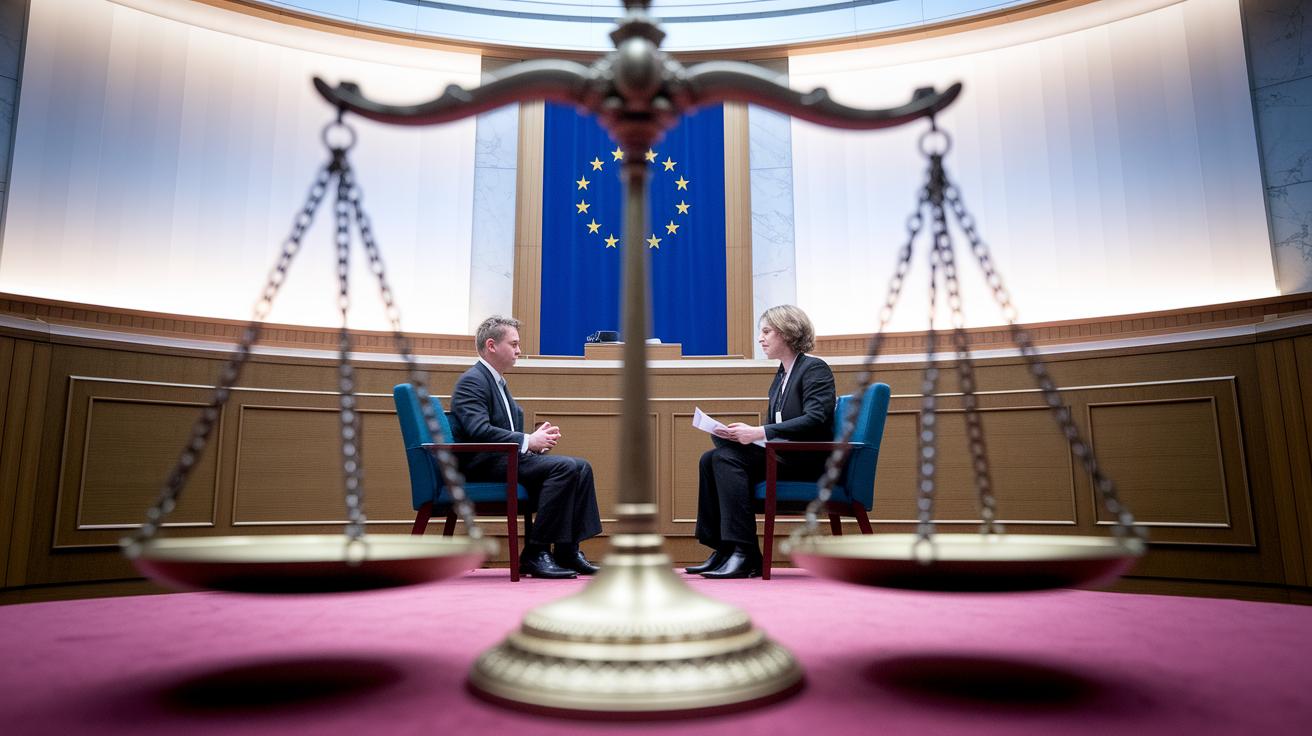
When it comes to the tug-of-war between free expression and personal privacy, the spotlight often falls on high-profile cases that make us sit up and listen. The European Court of Human Rights has been there, weighing in on whether our need for the inside scoop should step over a celebrity's right to keep some things under wraps. Just think of those judgments on February 7, 2012 – they're like the legal equivalent of a red carpet reveal, showing us that even in our buzzing media world, free speech sometimes has to take a back seat to protect human dignity.
National legal systems add their own sparkle to the mix with strong defamation and privacy laws. Take the UK's Privacy Act or the general data protection rules, for example. They’re like the firm boundaries set at an exclusive party, ensuring that while our curiosity gets satisfied, personal secrets are still safely guarded. These laws help guide journalists to report thoughtfully without crossing the line, especially when it comes to stories that might unfairly tarnish a public figure's image.
And then there’s the issue of those pesky paparazzi – the uninvited guests on the red carpet. Today, there are clear civil and criminal penalties aimed at stopping invasive media practices. These rules are designed to keep the flashbulbs at a safe distance, protecting celebrities from having their personal space invaded without permission. So while the press continues to shine the spotlight on newsworthy events, these measures ensure that respect and dignity stay center stage.
| Case Name | Jurisdiction | Outcome |
|---|---|---|
| ECHR Judgment 2012A | European Court of Human Rights | Balanced media freedom with privacy protection |
| UK Defamation Suit | United Kingdom | Set precedent for personal privacy rights |
| Paparazzi Liability Ruling | National | Imposed civil and criminal measures against intrusion |
Ethical Reporting Standards in Celebrity Privacy vs Public Interest Coverage
Sensational reporting has always been a part of celebrity news. Ever since the painful days following Princess Diana’s tragic encounters with paparazzi, the media’s chase for that exclusive moment sparked a backlash that we still feel today. Before her untimely death, Princess Diana was constantly hounded by cameras, turning private memories into public shows. Her story reminds us that while eye-catching headlines are exciting, they often come at the cost of personal dignity.
Today, reporters face a tricky balancing act. They have to follow ethical codes that stress asking for permission, respecting personal space, and being clear about their intentions. In other words, before sharing private details, reporters must decide if the story adds real value instead of just aiming to shock. For more insight into managing media literacy in celebrity news, check out this link: Media literacy and celebrity news: What to know. These guidelines help ensure that public curiosity doesn’t overshadow an individual’s well-being.
Traditional tabloids and modern online magazines alike are working hard to stick to these new rules. Many platforms are taking steps to dial down sensationalism and steer clear of harmful narratives. This shift comes not just from growing public worries about invasive journalism, but also from a genuine need to cover celebrity stories in a respectful and thoughtful way. Critics even say that these ethical practices are key to balancing the public’s right to know with a celebrity’s right to a private life.
Case Studies of Media Intrusion vs Public Interest in Celebrity Lives
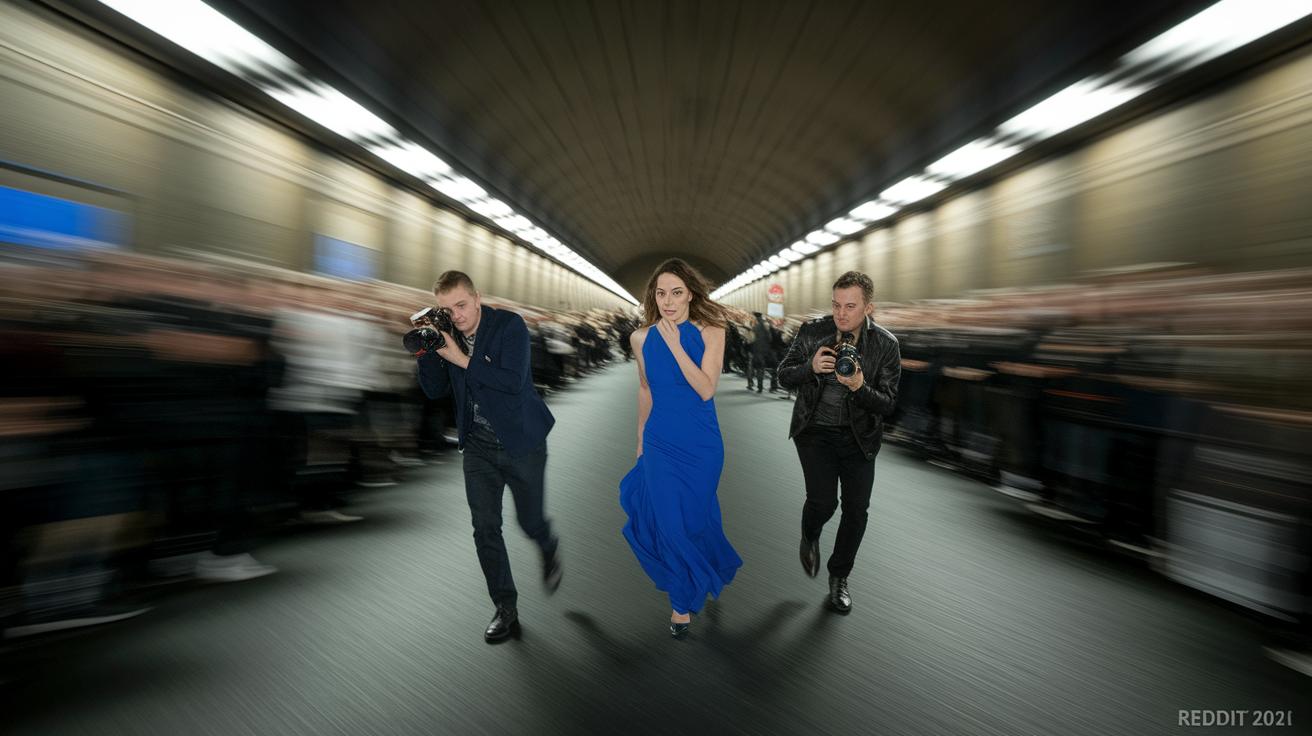
Sometimes, the glare of the spotlight comes at a steep price. Media can overstep its bounds, leaving behind real pain for the stars caught in the frenzy. These stories remind us that chasing a headline can hurt the very people we admire.
Princess Diana Paparazzi Tragedy
Back in 1997, the world watched in shock as cameras chased Princess Diana through a Paris tunnel. In a scene that felt like a tragic movie, the nonstop pursuit ended in disaster, sparking global calls for change. Ever wondered how a desperate dash under flashing lights could rewrite media rules forever? This heartbreaking moment pushed newspapers and photographers to rethink their approach, balancing their need to report with deep respect for personal grief.
Rumor Storm around BamBam
In 2018, K-Pop star BamBam from GOT7 found himself at the heart of a wild rumor storm. Unverified tales spread rapidly online, dimming his bright image and stirring up real distress. It was as if every whispered falsehood added another weight on his shoulders. This incident sparked a quick and urgent response from his team, shining a light on the need for tighter controls on how we handle rumors about beloved stars.
Tragedy of Sulli and Goo Hara
The loss of South Korean idols Sulli and Goo Hara in 2019 brings a painful reminder of how intense media scrutiny and relentless online bullying can push someone into deep despair. Their untimely deaths showed that when invasive coverage and harsh online comments collide, the impact goes far beyond just a public spectacle. It serves as a stark warning that the price of overexposure can sometimes be too high to bear.
These cases remind us that relentless media coverage isn’t just about grabbing attention, it can leave lasting scars. We must find a balance that respects personal boundaries while still keeping the public informed, ensuring that the spotlight doesn’t end up burning those it shines on.
Public Sentiment on Celebrity Privacy vs Public Interest Expectations
Fans are naturally curious about the lives of celebrities, it’s like sharing a secret with a close friend. We love catching those rare, behind-the-scenes glimpses that make us feel connected, almost as if we're part of an exclusive club. Imagine the buzz when a famous face lets a tiny window into their private world; it feels like you’re getting an insider scoop that not everyone gets to hear.
But here’s the catch: this hunger for personal details often nudges media outlets into a tricky spot. Even well-meaning reporters sometimes face a tug-of-war between what makes headlines and what’s respectful. With social media constantly buzzing with chatter, the pressure to reveal private moments grows, blurring the lines between what’s truly newsworthy and what might just be an unwanted peek into someone’s life.
In the end, this delicate balance leaves us with a media landscape where personal privacy and public interest mix in unexpected ways. While we adore that sparkling glimpse into the lives of the famous, it’s important to remember the real people behind the glitter and to cherish their right to enjoy a bit of mystery too.
Digital Privacy Challenges in Celebrity Public Interest Reporting
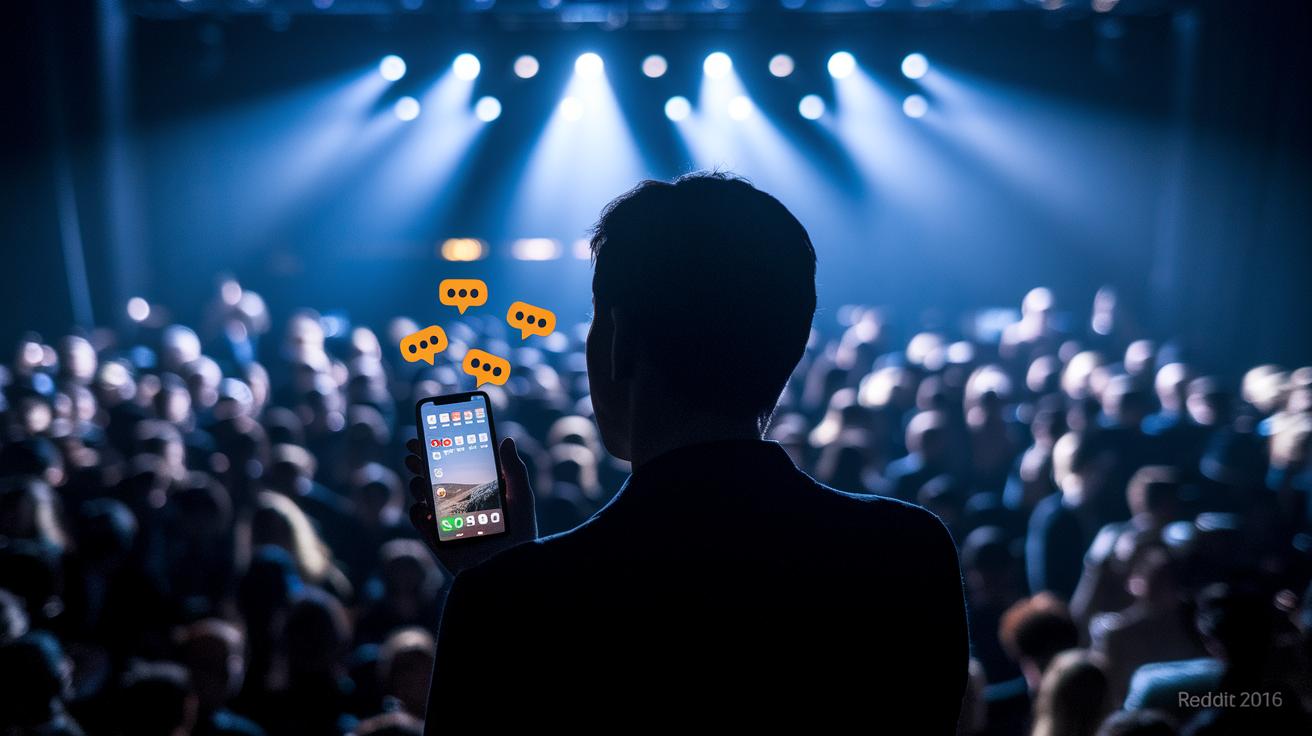
Social media and blogs have made it tricky to tell what's public and what’s private. These days, a celebrity’s personal moment can turn into instant viral buzz before they even know what’s happening. Consent isn’t a simple yes or no anymore, and fast-spreading rumors often leave little time for careful sharing. Without strong guidelines for digital consent, both a star’s reputation and their security can be put at risk. We’re seeing technology mix up celebrity journalism as platforms spill private details right in front of our eyes, sparking big worries about data protection and shrinking privacy online.
To keep their image safe and protect their minds, stars and media outlets are trying fresh ways to manage their stories online. They’re now using smart digital image strategies and clear, proactive communication to stop unauthorized leaks. Some celebrities even release content carefully and use direct messages on social platforms to clear up rumors before they spread too far. These steps not only fight off the dangers of wild, unchecked gossip but also help build trust between famous figures and their fans.
Final Words
In the action, we've tackled the tug-of-war between a celebrity's right to privacy and the pull of public interest. The post unraveled ethical reporting, legal frameworks, and real stories that stir emotions while spotlighting key factors like newsworthiness and mental health impacts. It also debated digital challenges and fan-driven expectations, reminding us that honoring privacy is as crucial as sharing the drama behind the scenes. This Celebrity privacy vs public interest: A media analysis leaves us feeling hopeful about a more respectful, balanced spotlight on stars.
FAQ
Celebrity privacy vs public interest a media analysis examples
The media analysis uses case studies and legal instances to show how celebrity privacy rights are weighed against public desire for information, highlighting the need for balanced reporting that respects individual dignity and societal benefits.
Celebrity privacy vs public interest a media analysis pdf
The PDF report compiles legal standards, ethical guidelines, and real-life examples to detail how media outlets balance the need for public interest with safeguarding celebrities’ privacy, offering a structured overview of key debates.