
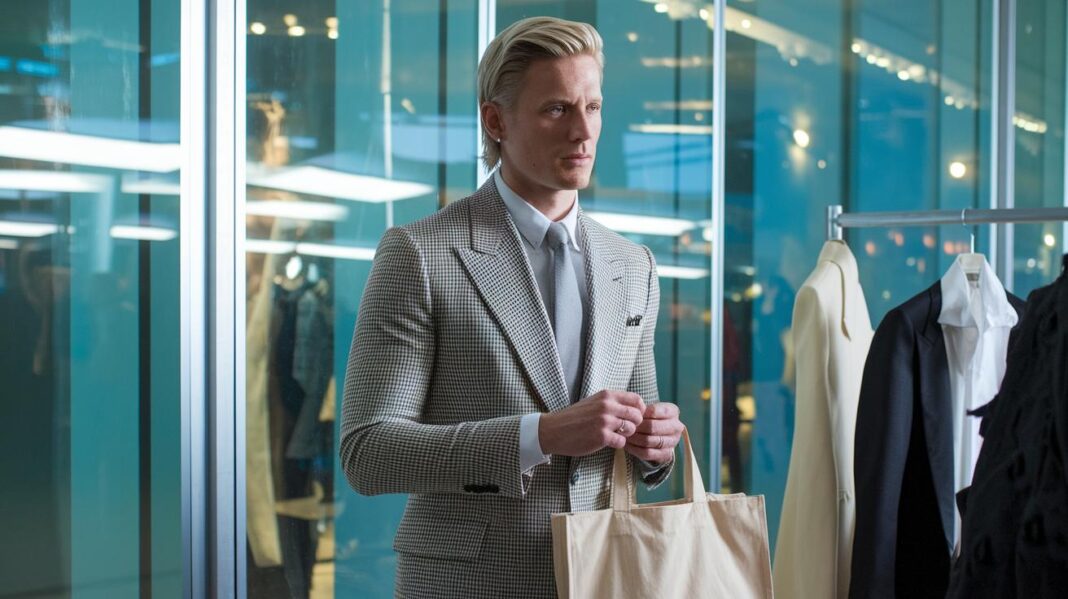

Ever wondered if your favorite star can really shake up an industry drowning in waste and overproduction? Fast fashion loves to claim it’s getting greener with those big names, but the truth is, it still pumps out nearly 10% of our planet’s yearly emissions. That’s a lot to take in, right?
It makes you wonder, can a flashy campaign really solve deep issues like unfair labor practices and endless trash? And with more iconic faces jumping on board, the question lingers: Are these partnerships driving real change, or are they simply glamorous promises?
Understanding the Celebrity Fast Fashion Sustainability Debate
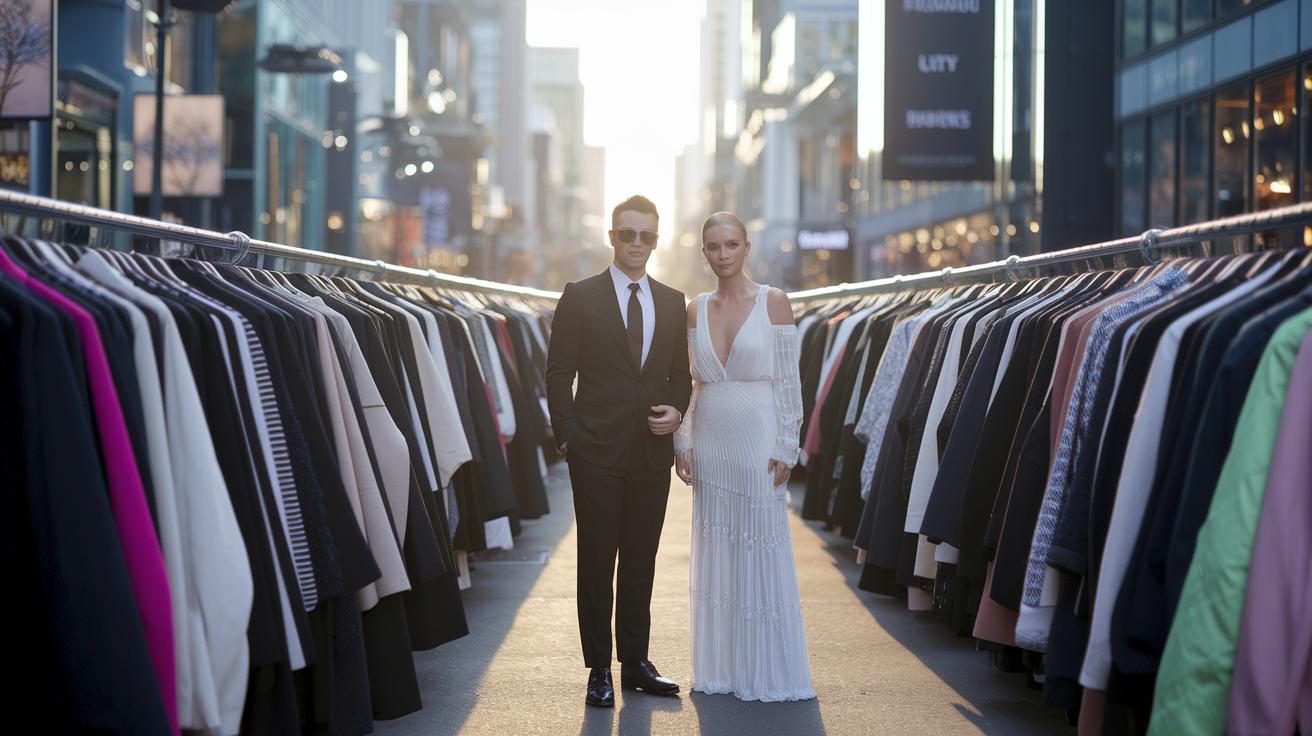
Today, brands lean on star power to grab attention, making the debate on fast fashion impossible to miss. Did you know fast fashion is responsible for nearly 10% of the world's yearly carbon emissions? That's even more than all the international flights and shipping combined. This striking fact really turns our assumptions upside down. And with production and waste expected to jump by roughly 60% by 2030, big names like H&M and Primark are under serious pressure to deliver real change, not just glossy promises.
Major brands are quick to bring in celebrity ambassadors to boost their green image. For example, H&M has teamed up with Maisie Williams as its Global Sustainability Ambassador, while Primark has named Laura Whitmore as its Primark Cares Ambassador for the next year. These moves mix the dazzle of celebrity with claims of sustainability. Yet, many critics argue that a few organic collections and eco-friendly campaigns aren't enough. They say the real challenge lies in fair labor practices and curbing overconsumption. The conversation gets even more charged when you see stars like Kylie Jenner with Fashion Nova, Khloé Kardashian with Shein, and Kourtney Kardashian's eco-collaboration with Boohoo stepping into the spotlight.
At the heart of this controversy is a question: Can campaigns fueled by celebrity glitz really push an industry known for mass production and questionable labor practices toward true environmental responsibility?
Celebrity Fast Fashion Endorsements vs Sustainable Practices

Recent studies show that when celebrities step up to promote green values, fans really notice. Surveys tell us that eco-friendly campaigns can boost trust by around 20%! One expert even said, "When a celebrity is honest about sustainability, customers feel a true connection with the brand."
This change highlights how partnerships mixing ethical transparency with fashion flair stand out from those focused only on glamour. Fans tend to respond better when a star's role goes beyond style to include a commitment to the environment.
| Endorsement Approach | Consumer Reaction |
|---|---|
| Style-Driven Campaigns | Catch the eye but spark doubts about green efforts |
| Eco-Transparent Campaigns | Win greater trust and active engagement |
Really, moving from fun, catchy ads to genuine support for sustainability is changing what buyers expect. Stars now face a real test of their sincerity, not just dazzling on the red carpet, but backing up their green promises every day. Check out the celebrity profile: fashion and style evolution at https://imjustdandy.com?p=1205 for more details.
Greenwashing Case Studies in Celebrity-Led Fast Fashion
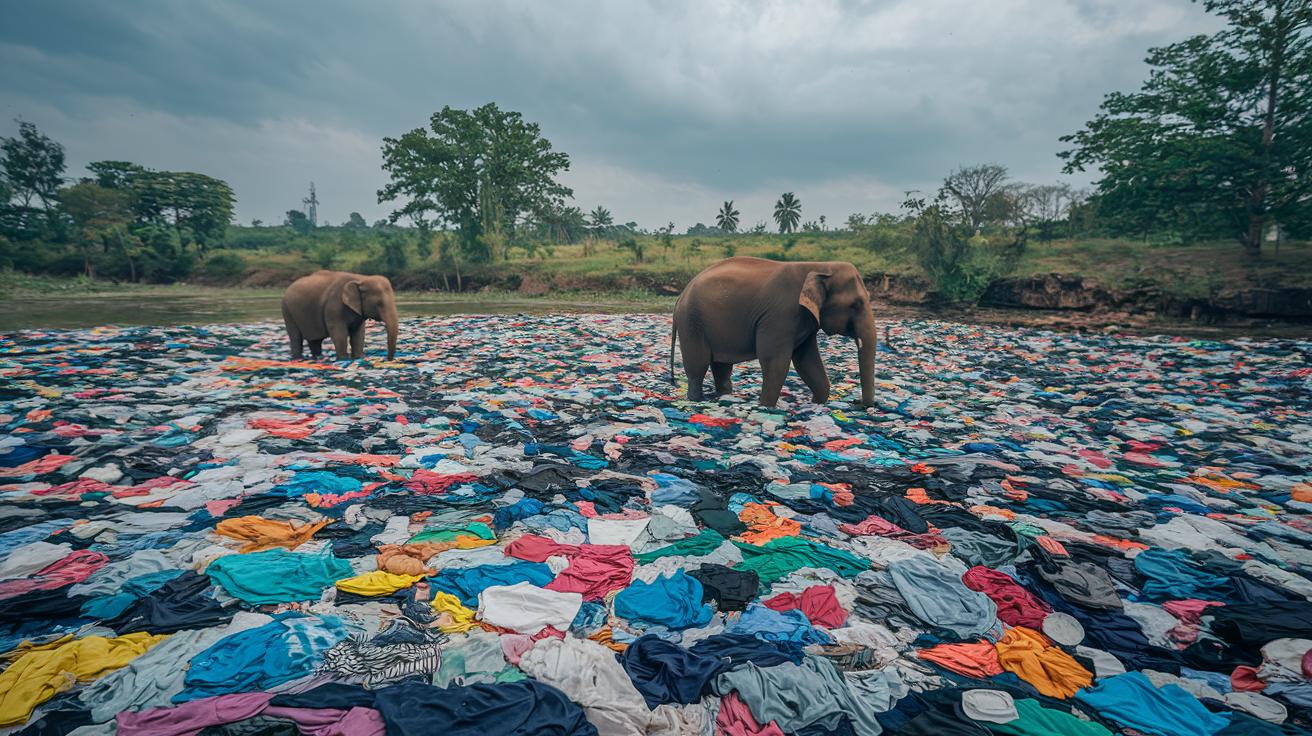
Greenwashing isn’t just a trendy term, it’s a real problem in today’s fast fashion world. Recently, activists have spotlighted a shocking incident where thousands of H&M garments were dumped at Sri Lanka’s Wetahirakanda Nature Reserve, putting wild elephants in danger. The scene was almost cinematic, with nature interrupted by a flood of discarded clothes. Critics argue that these so-called organic collections are a glossy cover-up for harsher realities like unfair labor practices and rampant overconsumption.
Often, the promise of sustainability comes with hidden costs. Big names like Primark and Boohoo make bold eco-friendly claims, but when you look closer, there’s a big gap between what they promise and what they actually do. And then there’s the twist of celebrity endorsements, turning every green campaign into a red-carpet photo op. Instead of sparking real change, these flashy partnerships end up distracting us from the core issues, leading to epic missteps that confuse and mislead consumers.
- H&M’s organic-cotton collection overshadowed by massive waste
- Primark Cares Ambassador campaign facing heavy criticism
- Boohoo’s fair-labor pledge clashing with UK sweatshop reports
- Fashion Nova’s “sustainable drop” sparking backlash
- Shein’s influencer partnerships widely accused of greenwashing
Celebrity Fast Fashion’s Environmental Impact in Numbers
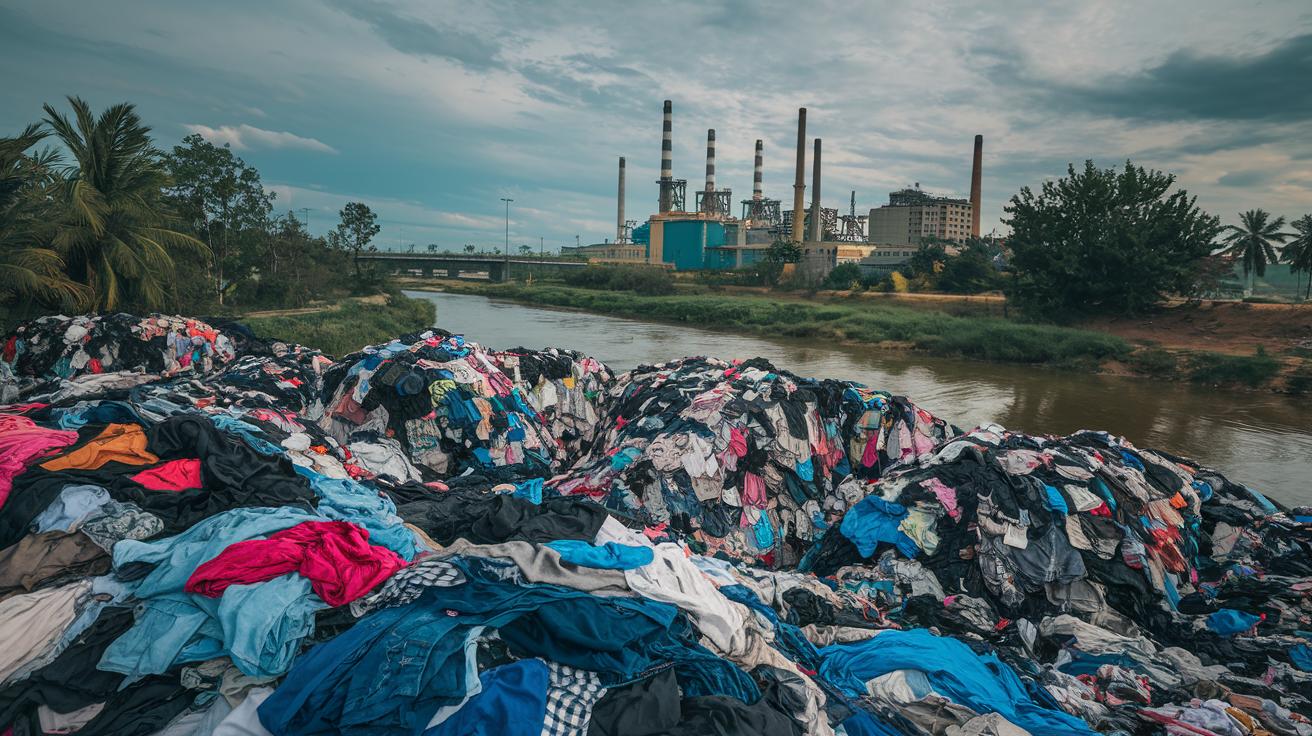
Fast fashion is causing some pretty shocking damage to our planet, and the numbers really show it. Experts say that by 2030, fast fashion might add 60% more waste to our already overflowing trash bins. It isn’t just about looking trendy, mass production, often done in places like India, Bangladesh, and Indonesia, lacks proper labor protections and strict environmental standards. In fact, all the carbon emissions from making clothes now outstrip those from international flights plus shipping. It’s a surprising comparison that really puts into perspective how deep fast fashion’s marks are on our air and water.
And while brands use dazzling celebrity endorsements to cover up these problems, the environmental facts leave nothing to hide. When you dig into the details, it’s obvious that a glossy, eco-friendly image can sometimes mask very real issues. Take, for example, waste dumping near nature reserves or murky sourcing of raw materials, big names often still face these challenges even when they tout their green efforts.
| Brand | Production Country | Key Issue |
|---|---|---|
| H&M | Bangladesh | Waste dumping in nature reserves |
| Shein | China | Lack of transparency on materials |
| Zara | India | High-volume overproduction |
| Primark | Indonesia | Green marketing vs. real labor audits |
These jaw-dropping stats remind us that while a celebrity shine might grab your attention, the true story behind fast fashion carries a hefty environmental price tag.
Stakeholder Perspectives on the Celebrity Fast Fashion Sustainability Debate
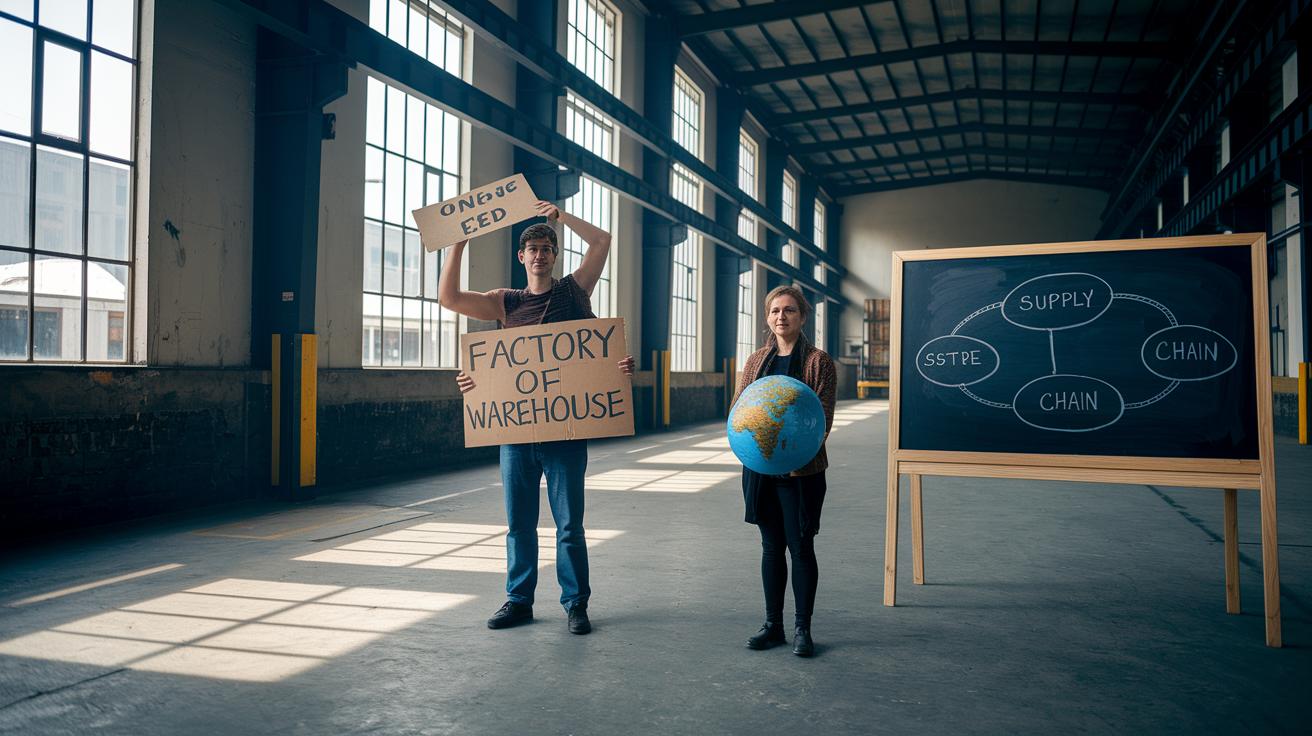
Activist Viewpoints
NGOs and grassroots groups have been speaking out for years, demanding clear insight into every step of the supply chain and fair treatment for workers. They feel that celebrity endorsements often act like a shiny distraction, pulling attention away from serious issues such as labor abuse and environmental harm. One activist put it simply: "Buying less would make a bigger difference than a flashy collection." In their view, environmental promises need to run deeper than a new line of organic fabrics or a glamorous photo shoot, they call for true accountability from start to finish. This idea really resonates with communities that have long borne the brunt of mass production's negative effects.
Industry Responses
Fast-fashion leaders say that teaming up with celebrities shines a spotlight on sustainability efforts that might otherwise slip by unnoticed. They argue that when a well-known star backs eco-friendly projects, it naturally sparks consumer interest and opens up discussions about greener practices. Essentially, they believe that the buzz created by these collaborations puts pressure on brands to improve labor conditions and reduce environmental impact. Plus, these high-profile campaigns offer a chance to showcase positive changes that could easily be missed in a crowded market.
Consumer Voices
Online, opinions are split. Some social media users call out what they see as the empty promise behind celebrity endorsements, arguing that the glitzy image of a luxurious collection hides a lack of real progress. Others, however, cheer on eco-friendly drops, viewing these collaborations as a positive step in merging style with sustainability. Whether it's seen as genuine improvement or just a pretty distraction, the conversation keeps buzzing, much like the chatter at a red carpet after-party.
Future Directions in the Celebrity Fast Fashion Sustainability Debate
Imagine a world where stars and brands team up to drive real change. Instead of just a few eco-friendly collections, we need fresh campaigns built on circular design ideas that cut down on waste. Celebrities can use their sparkle to boost collections made with clear, honest sourcing and fair wages, creating a genuine shift in how our clothes are made and worn. Think about it: sustainable red carpet fashion isn’t just about looking fabulous; it’s a bold move toward long-lasting change.
Now, picture innovative ideas like buy-back programs and recycling initiatives. Stars could launch special capsule collections with a cool twist, giving fans the chance to return their worn pieces for recycling or repurposing. This kind of program would really help break the throwaway mindset that fast fashion is known for. At the same time, policy changes and smart consumer tips should work together to push brands to value quality over fleeting trends.
Experts are noticing steps in the right direction by style icons, but they say we need even more commitment. With all eyes on celebrity collabs these days, tomorrow’s campaigns should cover every corner of sustainability, from cutting waste and pollution to improving working conditions. This hands-on approach can transform celebrity endorsements from mere headlines into true champions of a better future in fashion.
Final Words
In the action, we explored how celebrity endorsements stir up buzz over quick-change trends and their impact on our planet. The blog unraveled the mix of eye-opening numbers, high-profile partnerships, and backstage critiques that feed the celebrity fast fashion sustainability debate. We saw case studies, consumer voices, and bold steps being taken by brands and style icons alike.
This discussion reminds us that despite flashy headlines, there’s room for hope and smart change in making garments truly green. Stay inspired by the real talk behind the glitter.
FAQ
What are fast fashion brands?
Fast fashion brands are companies that produce trendy, inexpensive clothing rapidly to keep up with seasonal trends, much like a celebrity’s quick style shifts on the red carpet.
What is the fast fashion environmental impact?
The fast fashion environmental impact includes significant carbon emissions, waste, and resource depletion. This heavy footprint mirrors wild backstage chaos, pressing urgent calls for sustainable change.
Why is fast fashion popular?
Fast fashion is popular because it offers affordable, stylish clothing that keeps up with the latest trends. Shoppers enjoy the thrill of celebrity-inspired looks without the high price tag.
What are some fast fashion examples?
Fast fashion examples include brands such as H&M, Zara, Primark, and Shein. These brands are known for their rapid production cycles, similar to the ever-changing styles seen on red carpets.
What do fast fashion articles cover?
Fast fashion articles cover topics from the industry’s rapid production tactics to environmental and labor concerns, offering readers insider details that reveal both trends and controversies.
Why is fast fashion considered bad?
Fast fashion is considered bad due to its heavy environmental harm, including waste and high emissions, along with critiques over labor conditions and unsustainable production practices that clash with green ideals.
What is a fast fashion magazine?
A fast fashion magazine focuses on the latest style trends, brand debuts, and industry controversies, serving as an insider guide much like a behind-the-scenes peek into celebrity fashion choices.
What is the definition of fast fashion?
The definition of fast fashion refers to the rapid production and low-cost sale of fashionable clothing, designed to capture current trends quickly—often at the expense of environmental and ethical standards.
Who is the most sustainable celebrity?
The title of the most sustainable celebrity remains debated, with many stars actively promoting genuine eco-friendly practices while critics and fans weigh their real-world impact against trendy green promises.
Is Zara or H&M more sustainable?
The sustainability of Zara versus H&M is a mixed picture. Both brands launch eco initiatives and face scrutiny, with comparisons highlighting efforts to improve practices while battling fast production demands.
Is lululemon greenwashing?
Concerns about lululemon greenwashing suggest that while the brand promotes eco-friendly images, some critics argue its environmental practices might not fully align with the heartfelt sustainability claims it projects.
What has Zara done for sustainability?
Zara has implemented measures to reduce waste and embrace eco-friendly production practices. Despite these steps, debates continue as critics argue there is still much room for genuine, impactful change.