

Ever wondered how one burst of talent can launch a lifetime of musical magic? Meet a superstar who lit up concert halls early on and turned his personal struggles into unforgettable tunes. His journey, from a curious kid with big dreams to a timeless legend, sparkles like a rare gem glowing in the shimmer of stage lights. Dive into his story and feel the passion and strength that continues to shape every note we hear today.
Biography Profile: Comprehensive Overview of the Celebrated Musician’s Life and Legacy
Born in December 1770 in Bonn, Germany, this music icon showed his love for the piano and violin at a very young age, setting the stage for an unforgettable journey. By the time he was just eight years old, he was already stepping into the spotlight with his very first public performance, a hint of the dazzling career that lay ahead.
He brilliantly blended the strict rules of classical music with the heartfelt vibes of early romantic tunes. Imagine a young composer captivating audiences with crisp melodies and deep emotion, like catching a rare behind-the-scenes glimpse of the magic under stage lights. His work spanned symphonies, piano sonatas, concertos, chamber pieces, and even an opera, each piece shining with both precision and feeling.
As his fame grew, so did his challenges. Even when he started losing his hearing, he transformed that personal struggle into powerful, stirring music. In those quieter later years, his compositions became intimate expressions of overcoming pain, turning isolation into unforgettable masterpieces that still inspire us today.
From his humble beginning as a child prodigy to his legacy as a pioneering force in music, his life is a true story of triumph. His ability to twist hardship into brilliance reshaped classical music and continues to spark inspiration in performers everywhere. And just think, before he revolutionized the music world, he lit up concert halls at only eight years old, setting off a legacy that enchants audiences even centuries later.
Biography Profile: Early Life, Family Heritage, and Formative Experiences
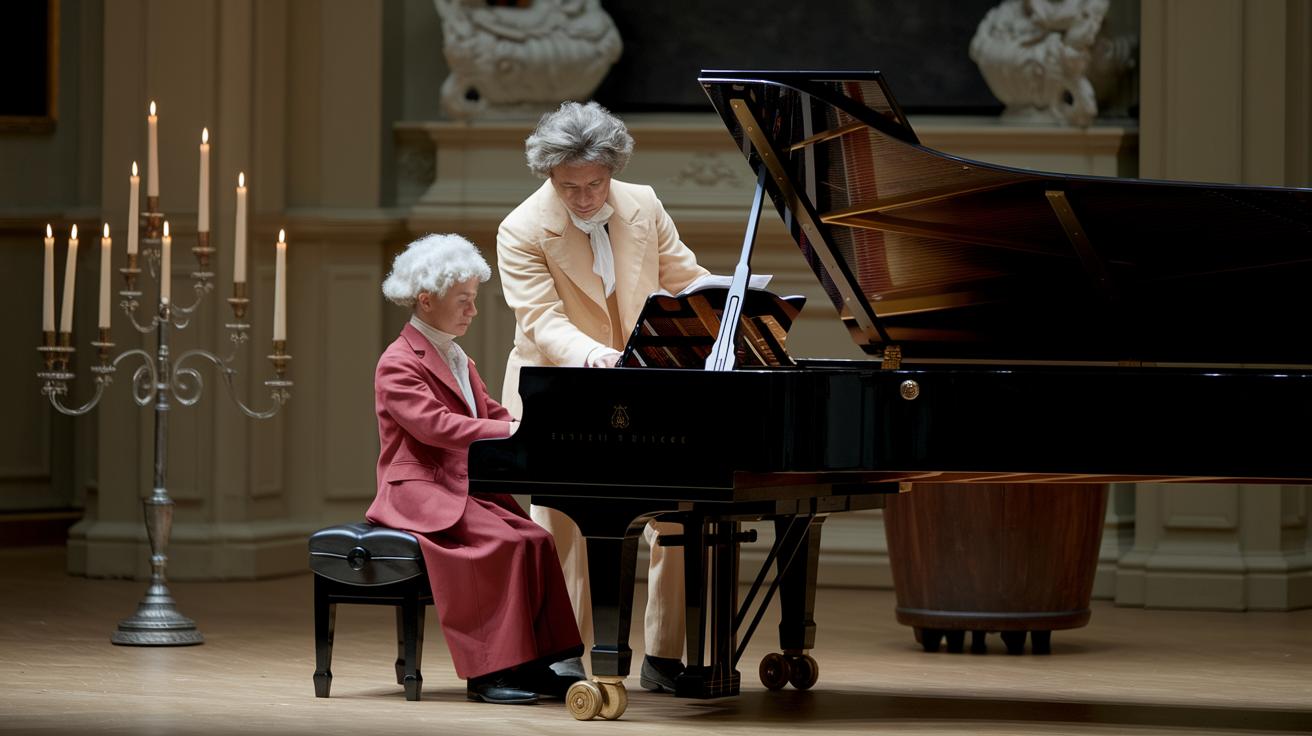
Born into a world where every sound felt like it had a meaning, this famous musician grew up surrounded by rich musical traditions. His dad, Johann van Beethoven, led the music with flair, and his mom, Maria Magdalena, filled his days with melody. From the very start, music was his language, and those early lessons from his father sparked a fire that would light up his entire career.
By eight, he was already stepping onto a small stage for his first public recital, amazing everyone with his talent. And by twelve, he was writing his own tunes, proof of a budding genius in the making. He learned from the soulful church songs and the elegant sounds of Bonn’s court concerts, mixing a bit of hometown spirit with formal music culture.
At eleven, under the careful eye of court organist Christian Neefe, his musical skills took off even more. With Neefe’s guidance, his talent grew quickly, building a rock-solid foundation that shaped his future in music.
Picture a young musician with tiny fingers dancing on ivory keys in a cozy church, setting the stage for a lifetime of ground-breaking compositions.
Biography Profile: Breakthrough Moment and Career Milestones
Back in 1792, he made a daring move by heading to Vienna, the music capital of the time. Once there, he dove into studying with celebrated teachers like Haydn and Albrechtsberger, kicking off a journey that would forever change his musical style.
Then in 1798, he dazzled the scene with the debut of his Piano Sonata No. 8 in C minor, known as "Pathétique." This piece, brimming with raw emotion and clever technique, quickly won over audiences. Just two years later, in 1800, his Symphony No. 1 premiered to critical acclaim, clearly marking him as a rising star.
The big breakthrough came in 1803 with his Symphony No. 3 "Eroica." This work made waves in Vienna by blending classical structure with a fresh, heartfelt pop of the emerging Romantic spirit. Between 1804 and 1808, his Symphony No. 5, with its famous “fate” motif, captivated listeners with a powerful, cinematic narrative of struggle and triumph.
Soon after, he stepped into the role of a freelance composer, earning patronage from aristocrats who recognized his distinct artistic vision. Each milestone not only boosted his influence but also paved the way for a lifetime of innovative, unforgettable music.
Biography Profile: Signature Compositions and Artistic Innovations
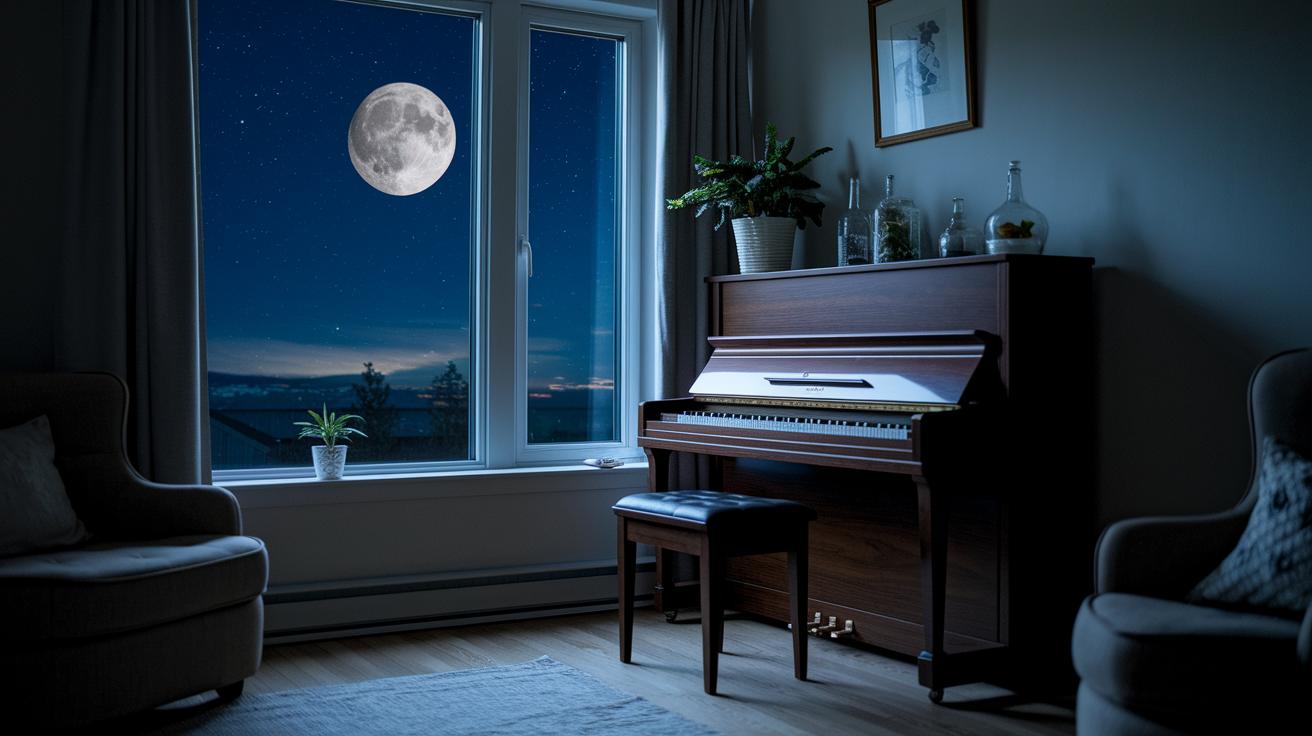
One of his legendary works, Piano Sonata No. 14 "Moonlight" (1801/1802), draws listeners in with a gentle yet eerie first movement that feels like a whispered secret. It shows how just a few carefully chosen notes can open up a world of deep emotion.
Next up is Piano Concerto No. 5 "Emperor" (1809–1811), which makes an entrance so majestic it’s like a royal decree announcing its presence. This piece challenges its performers to balance refined grace with bold energy.
His only opera, Fidelio (1804–1814), dives into themes of freedom and heroism. It tells a story of resilience and celebrates the human spirit, lighting up hope even in the darkest moments.
The Ninth Symphony (1824) pushes his musical boundaries even further. It was revolutionary, blending a full choir with Schiller’s "Ode to Joy" to create a powerful, unifying crescendo that connects voices and instruments.
His later string quartets, especially Op. 131 (1826), highlight his brilliant knack for evolving his style in innovative ways. And then there’s "Für Elise" (WoO 59, 1810), a beloved solo piece admired for its elegant simplicity.
Biography Profile: Late Years, Personal Challenges, and Inspirational Legacy
By 1819, he couldn’t hear a thing, but his creative spark only shone brighter even in the silence. In his later years, while his health grew fragile and he spent lots of time in deep thought, he poured his heart and soul into every piece he composed. His quartets, from Op. 127 to Op. 135, burst with raw emotion and reflective power, leaving a mark on the music world that still resonates.
He met life’s challenges head-on, turning every obstacle into art. Even though he lost his hearing, it didn’t dull his visionary gifts; instead, it fired up a fierce passion and bold creativity that defined his later works. Every note he wrote carried both the weight of his struggles and the brilliance of his unwavering determination. His intricate melodies and dramatic shifts spoke volumes, offering comfort and inspiration to anyone who listened.
When he passed away in March 1827, the people of Vienna mourned him deeply, a heartfelt tribute to a man who continually overcame adversity. His lasting impact shaped Western music and still sparks inspiration in musicians around the globe. His life is a shining example of how personal challenges can transform into a timeless source of artistic brilliance, lighting up the path of hope and triumph.
Final Words
In the action of this piece, we traced the musician’s early spark, breakthrough moments, and unforgettable compositions. We explored his family roots, key career highlights, and the creative flair that defined his legacy. Every detail comes together in an engaging biography profile of a celebrated musician. His story reminds us that passion and resilience shine through every challenge. The narrative leaves us feeling uplifted and eager to see how art continues to light up our world.
FAQ
What does a short biography profile of a celebrated musician include?
A short biography profile provides a concise overview of a musician’s life, from early influences and breakthrough moments to signature compositions and lasting impact on music history.
How do musician biography examples differ from famous singer biography movies?
Musician biography examples offer a structured narrative of an artist’s life, while famous singer biography movies dramatize these stories with visual storytelling to capture the flair and excitement of their careers.
How do you write a bio for a musician or about yourself as a musical artist?
Writing a musician’s bio means highlighting early influences, standout career moments, and unique style in a personal, concise, and engaging tone that resonates with fans.
What is a brief description of a musician?
A brief musician description succinctly outlines key details like early background, major achievements, and signature works, quickly conveying the artist’s essence and impact on music.
What details do Selena Quintanilla and Michael Jackson biographies typically include?
Their biographies detail early beginnings, breakthrough musical moments, innovative style, and the significant cultural influence they have had on pop music and entertainment.
Who are Yolanda Saldívar, Suzette Quintanilla, Abraham Quintanilla, Susan Smith, and Mark David Chapman in relation to musical legends?
These individuals are closely tied to well-known musical figures, with some being family members or significant figures in major events, contributing to the public narratives surrounding the artists.
What are some examples of famous musicians in history?
Famous musicians in history include icons whose innovative works transformed music; their stories highlight early struggles, groundbreaking achievements, and enduring legacies that continue to influence fans.