
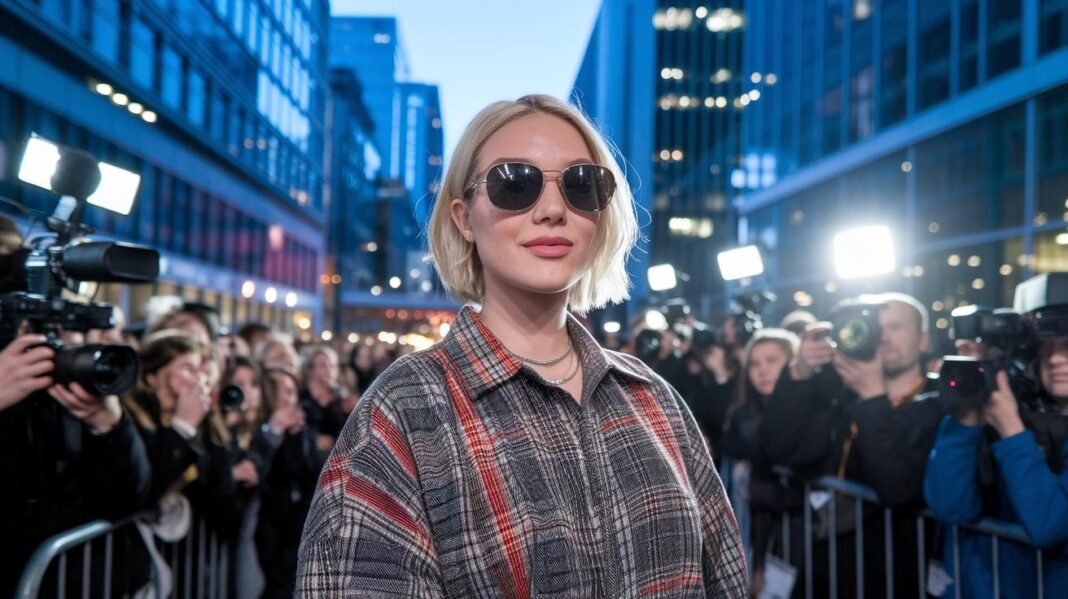

Ever wonder what it's like to always be caught in the flash of cameras? Paparazzi have transformed from simple photo-snappers to real-life hunters, chasing every unguarded moment like they're after the latest secret scoop.
And, honestly, all that attention isn't just glitz and glam. It can mess with a star's privacy, put a ton of stress on them, and even affect their mental health.
In our piece, we take a closer look at how these snappy pictures shape a celebrity's life, from the loss of privacy to tweaks in their public image and even tricky ethical questions. Stick around to see why life in the spotlight isn’t always as shiny as it seems.
Comprehensive Overview of Paparazzi Effects: Privacy, Mental Health, Public Image, Legal, and Ethical Dimensions
The paparazzi scene has totally transformed over the years, riding the wave of digital tech that lets them snap non-stop candid shots. Photographers now hustle to sell exclusive, high-quality images to tabloids and magazines. They chase every unguarded moment, even if it means stepping over personal boundaries. Fun fact: one photographer even risked his safety during a high-speed chase to capture that perfect shot, showing just how high the stakes can get.
Celebrities, on the other hand, are feeling the pressure like never before. The constant flash and scrutiny can leave stars stressed, anxious, and even isolated. It’s a lot like being under a never-ending spotlight at a red carpet event, thrilling to watch but exhausting to live. Legal battles have cropped up too, as some celebs push back against what they see as clear violations of their privacy.
This relentless chase for the sensational keeps sparking hot debates about ethics and the law. Critics argue that the race to get that jaw-dropping shot often trumps respect for personal dignity. In today’s media landscape, people are seriously rethinking how much exposure is too much and if the current rules really protect those living life in the glare of the cameras.
Evolution of the Paparazzi and Its Consequences for Celebrity Lives
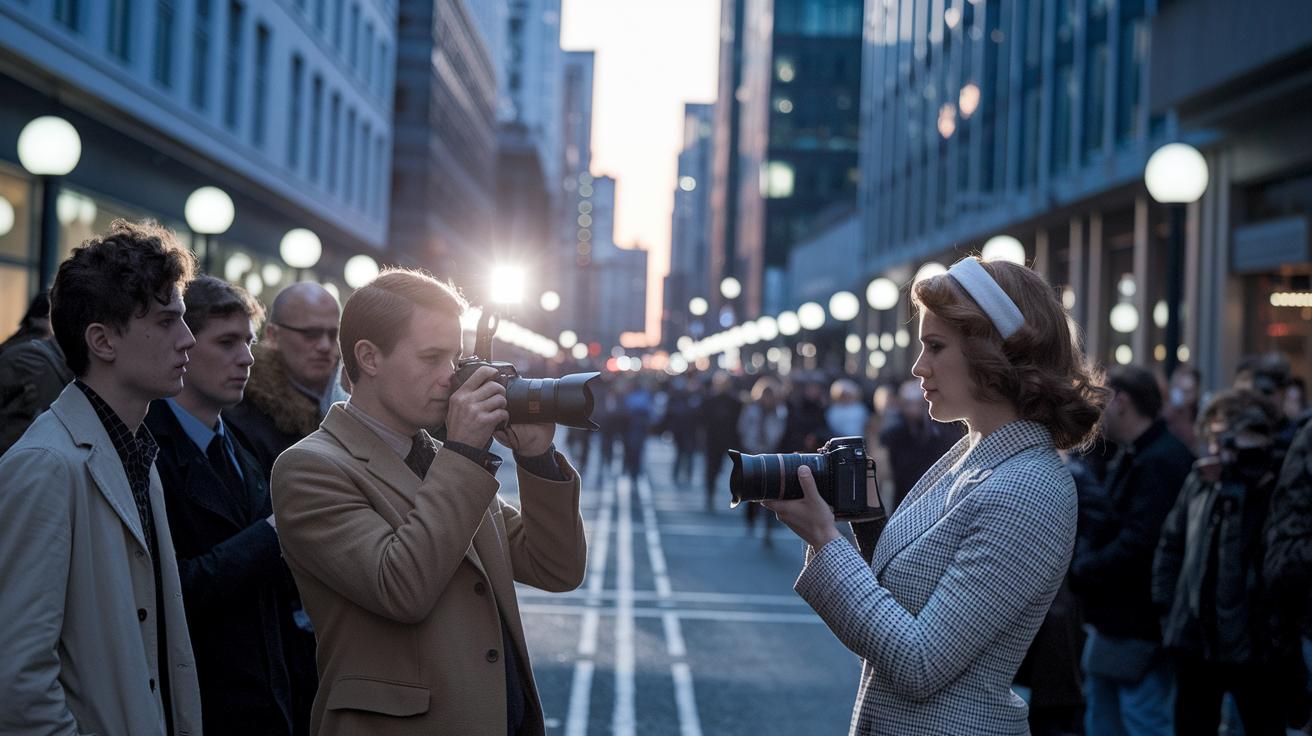
The journey of the paparazzi is as dazzling as it is invasive. Over time, new technology and a growing public curiosity have completely reshaped the way our favorite stars are snapped in their unguarded moments. It all started with Hollywood street photographers capturing raw, spontaneous shots and paved the way for today’s mix of candid captures and direct interactions with celebrities.
| Year | Milestone | Impact |
|---|---|---|
| 1950s | Hollywood street photography | Brought candid, unposed moments into the spotlight, fueling early tabloids |
| Early 1960s | Tazio Secchiaroli’s groundbreaking work | Set the standard for bold and relentless coverage |
| Mid-20th Century | Fellini’s La Dolce Vita | Introduced and made the term “paparazzo” famous |
| 1990s | Digital camera boom | Boosted the speed and clarity of capturing spontaneous moments |
| 2010s | Social media explosion | Let celebrities share moments on their own terms, reducing the need for traditional paparazzi |
This ever-changing scene has left its mark on celebrity lives. While the constant presence of cameras means stars face more scrutiny than ever before, social media has also given them a direct way to share their own stories. It’s a delicate balance between constant flashbulbs and personal control, creating a modern narrative where both celebrities and their fans shape a new image of fame.
Legal Battles and Privacy Violations in Paparazzi Encounters
For years, paparazzi have crossed the line, stirring up legal trouble and privacy concerns that feel almost straight out of a Hollywood scandal. In many high-profile cases, these photographers have not only put people in physical danger but have also sparked heated debates about whether current laws really do enough to protect our private lives.
One case saw a dangerous high-speed chase that left a celebrity driver seriously injured, leaving everyone wondering how risky it really is to snap photos at lightning speed. Another incident involved photographers setting up camp outside someone's home, a move that forced families to get restraining orders and take legal action to defend their personal space. And then there was the heartbreaking episode where a widowed public figure was relentlessly pursued during a family tragedy, prompting lawmakers to take a closer look at privacy laws that seem to have too many gaps.
These dramatic events remind us that while the press deserves freedom, individuals also need a safe space to live without the constant buzz of unwanted attention. In truth, these cases are now sparking policy changes that aim to give people stronger legal protection from harassment, helping to preserve the dignity of those in the limelight.
Psychological Toll of Paparazzi on Celebrity Mental Health
Ever wondered how it feels when every little moment is caught on camera? Studies show that constant paparazzi snaps can really elevate stress for celebrities, leading to a mix of anxiety, sleepless nights, and depression. When you're always under a lens, that glamorous spotlight can quickly become a source of anxiety, almost like living in a perpetual game of hide-and-seek with the media.
Stars often confess that the pressure of being watched nonstop makes them feel like they're living a scripted drama instead of a normal life. They share that dodging flashbulbs and intrusive cameras can leave them feeling isolated, as if they're trapped in their own private world. Mental health pros agree that this endless stream of photos can really chip away at well-being over time.
It’s no wonder some celebrities end up stepping away from the public eye just to get a breather. The constant attention proves that behind every dazzling photo lies a real struggle with anxiety and loneliness.
Paparazzi Influence on Celebrity Public Image and Reputation Management
Paparazzi photos have a way of showing our favorite stars in moments where they might look uncomfortable or exposed. These snapshots can spin into tabloid stories that stick with the public for a long time. When a celebrity is caught in a moment that’s blown way out of proportion, it often sparks a quick and harsh backlash from fans and critics alike.
The nonstop production of these pictures turns private mistakes into headline news, leaving stars with serious challenges to fix their image. Many celebrities end up relying on skilled PR teams to help smooth things over and win back public trust.
To flip the script on negative press, stars are now using smart strategies to change the conversation. They often jump on opportunities like doing coordinated interviews or taking control of their social media pages. This gives fans a look at their more genuine, in-control side. For example, detailed strategies in pieces like "analyzing scandal recovery: celebrity gossip and reputation repair" show how thoughtful responses can turn tough moments into chances to connect with the public again.
Ethics, Media Responsibility, and the Future of Paparazzi Practices
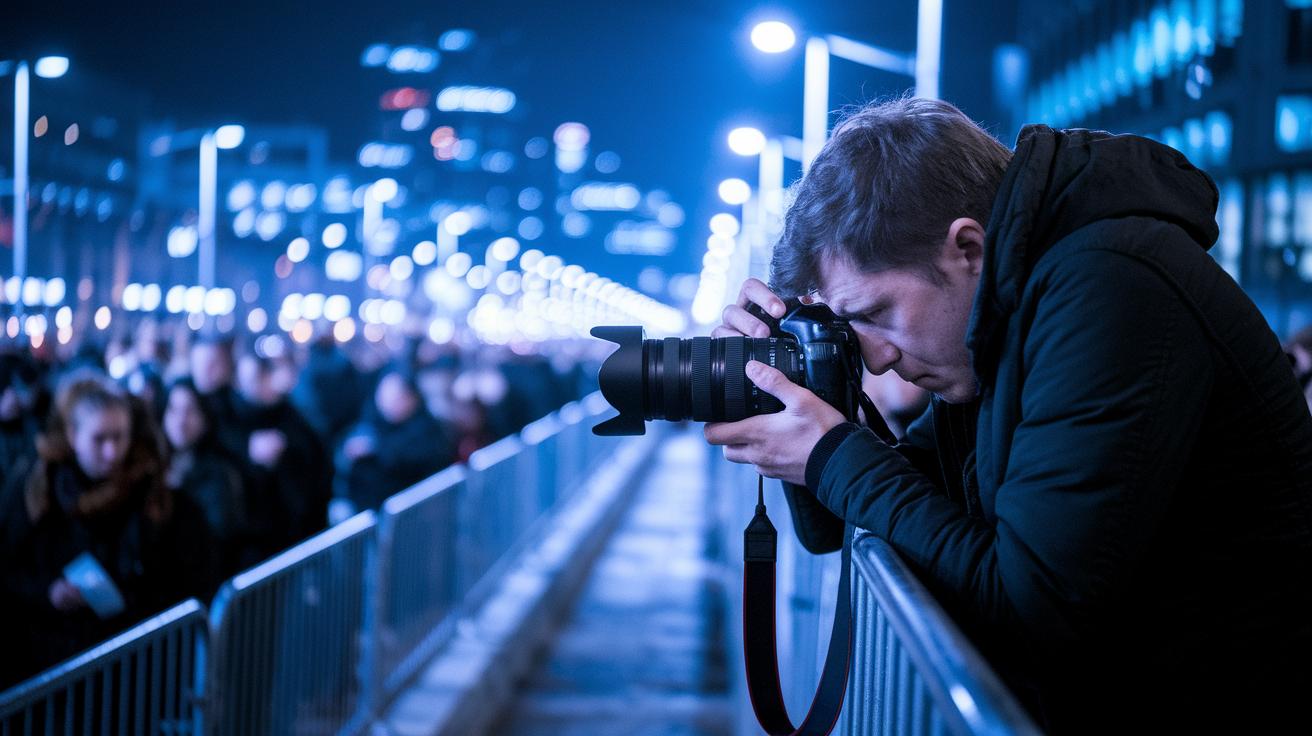
Photographers sometimes rush to capture dramatic shots, even if it means stepping into risky territory. This can lead to actions that make us wonder if they're crossing ethical lines.
Newsrooms often find themselves stuck between getting that exclusive shot and respecting people's privacy. And when they push too hard, they may inadvertently hurt the very people they're trying to show.
This tug-of-war has started a lively debate. Are these tactics really for the public good, or do they simply take advantage of someone's private life?
For example, think about a celebrity who struggles with sleepless nights because of one too many intrusive photos. It’s a clear sign that dramatic images can come at a heavy personal cost.
People are now calling for clearer rules and better training in ethical journalism. New ideas are being suggested to blend the freedom of the press with a respect for personal space, urging media outlets to adopt safer methods.
By setting limits on invasive techniques and even trying out controlled leaks, the industry is testing fresh ways to protect privacy while still delivering the news fans crave.
Final Words
in the action, the post took us through the maze of invasive photography, shining a light on how cameras affect celebrity privacy, mental health, and public image. We looked at legal showdowns where boundaries were crossed and ethical questions that still spark debate. Small instances painted the bigger picture of challenges faced by our stars today. Analyzing the impact of paparazzi on celebrity lives still has us pondering ways to balance press freedom with respect for personal space. The outlook remains hopeful, promising a shift toward fairer practices.