
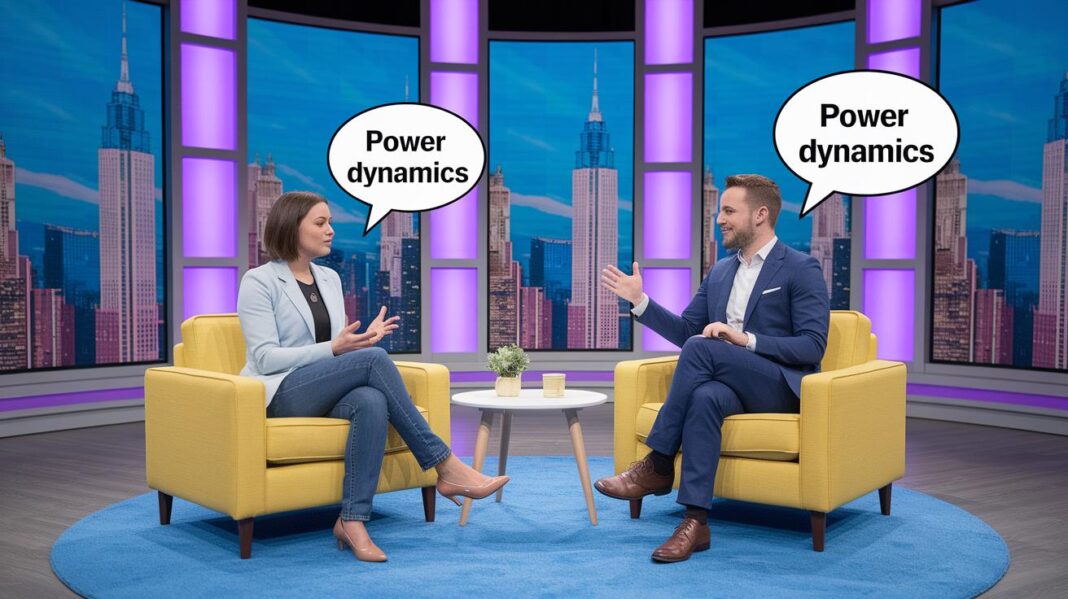

Have you ever wondered who really runs the show during a film dialogue? When the actors fire off their star-studded lines, it’s not just about the words. Each pause, interruption, or quick comeback is like a secret wink backstage, hinting at who’s really in charge. Imagine it as a backstage dance where every little move, every subtle shift, tells its own glamorous story. In this post, we break down how taking turns and changing up speech patterns reveal surprising power moves during those unforgettable on-screen moments.
Core Framework for Analyzing Power Dynamics in Star Dialogues
When stars share their lines on screen, it’s all about who’s driving the conversation. Think of it like a backstage secret where one character uses subtle hints or a bold remark to set the scene for unexpected twists.
This idea treats dialogue as a lively back-and-forth. It’s not just the words that matter, the timing, how often someone speaks, and even when they pause are all key. You can almost feel the buzz of a red carpet chat when you notice one character taking charge or letting someone else steal the spotlight.
• Control of turn-taking: Notice who gets to speak next, much like a celebrity being called onstage.
• Interruption patterns: Keep an ear out for those moments when someone cuts in, signaling they’re ready to take over.
• Speech dominance: See who talks the most or for the longest, this shows who really owns the moment.
• Rhetorical framing: The way words are chosen and arranged can make a character look powerful.
• Relational shifts: Watch how the balance of power changes over time, just like shifts in a live interview.
Mixing these ideas with a closer look at the dialogue helps us uncover the true dynamics of a scene. Measuring who speaks when and how often, along with the language used, shines a spotlight on who’s really in control. This fun framework not only clears up the mechanics behind great dialogue but also adds an extra sparkle to understanding how movie magic happens.
Analyzing Power Dynamics in Star Dialogues: Vibrant Insight
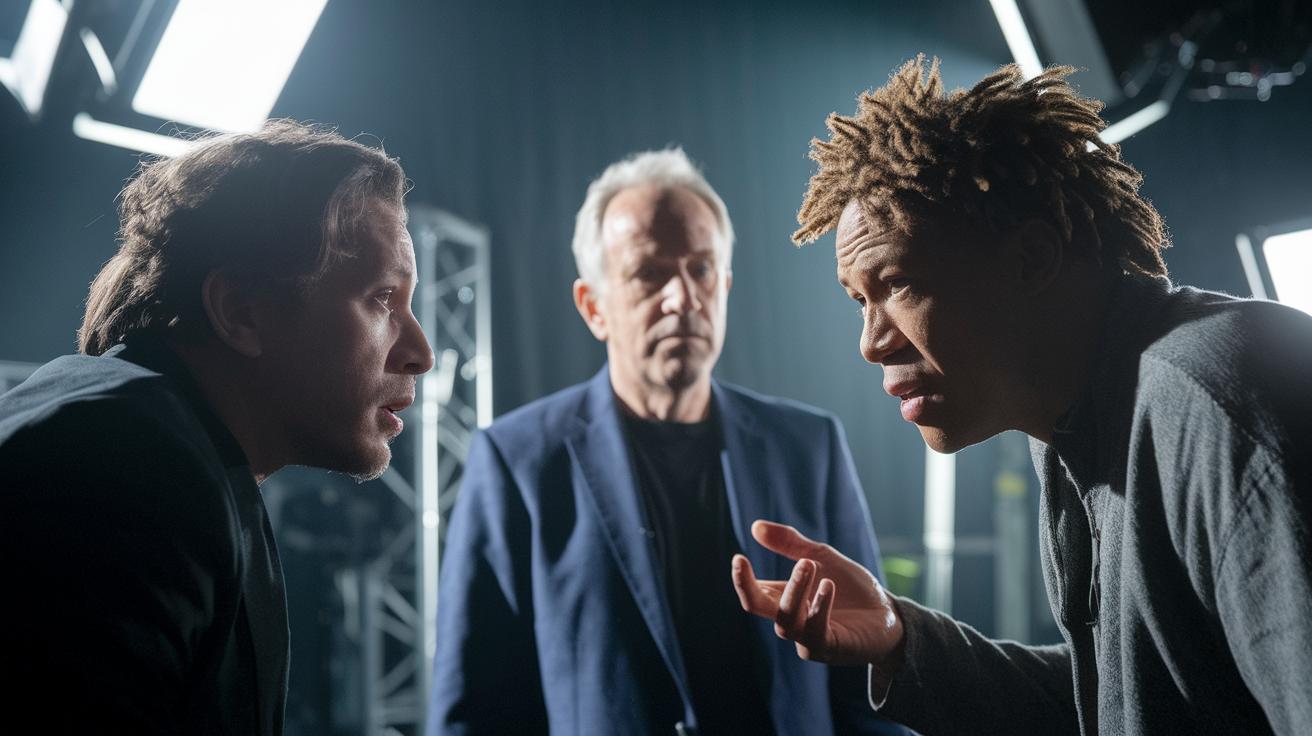
When stars speak on screen, it’s not just about their words, it’s how they say them that really counts. Every tone, every pause, and every little shift in their voice creates a secret code showing who’s in charge. Directors and writers mix things up by using strong commands or gentle suggestions, much like a favorite celebrity revealing a behind-the-scenes secret. A perfectly timed phrase or a thoughtful silence can change the whole flow of a conversation.
The vibe of the scene itself adds even more magic, guiding how the dialogue moves and feels. Each word and pause works like a stitch in a dazzling conversation that grabs you from the start.
Here’s a quick look at some tools used to create this cinematic charm:
| Technique | Description |
|---|---|
| Imperatives | Sharp, commanding words that drive the story forward. |
| Tag Questions | Subtle questions that soften statements and invite a second look. |
| Strategic Silence | Brief pauses that add suspense and depth. |
| Overlaps | Voices mixing together, showing hints of contest or teamwork. |
| Volume Shifts | Changes in loudness that highlight emotion or control. |
| Lexical Choices | Carefully picked words that hint at deeper feelings. |
All these elements blend together to create a natural rhythm, one that’s as much about power as it is about storytelling. Dig deeper into these cues, and you’ll see how dynamic dialogue not only shapes characters but also adds an exciting, unpredictable layer to every scene.
Case Study: Narrative Authority and Power Shifts in Iconic Star Dialogues
Imagine a high-stakes press conference that turns into a real-life power play. At the center of this scene, a main character runs the show from behind the podium until a rival bursts in, hungry for the spotlight. These sudden interruptions are like power moves, flipping the script with every sharp comeback. Even with more chatter overall, our dominant speaker sees his control slip as the rival’s few but bold words steal the thunder. It’s like watching magic happen, where silent pauses become golden moments for a game-changing retort.
Now picture a dramatic showdown between our hero and a notorious villain. Their rapid-fire dialogue turns each word into a battle for control. Our hero chooses each phrase with care, while the villain’s overlapping interjections throw everything into disarray. The hero’s well-thought-out lines radiate determination, but the villain’s aggressive overlaps shake up the order. Every exchanged word feels like a mini duel where timing and tone decide who’s really in charge.
| Scene | Power Technique | Narrative Impact |
|---|---|---|
| Press Conference Showdown | Interruption Patterns | Shifts dialogue control rapidly |
| Press Conference Showdown | Speaking Frequency | Strategic pauses alter influence |
| Hero-Villain Confrontation | Rhetorical Framing | Escalates tension and redefines stakes |
Cinematic Contexts: Visual and Spatial Dynamics in Star Dialogue Power
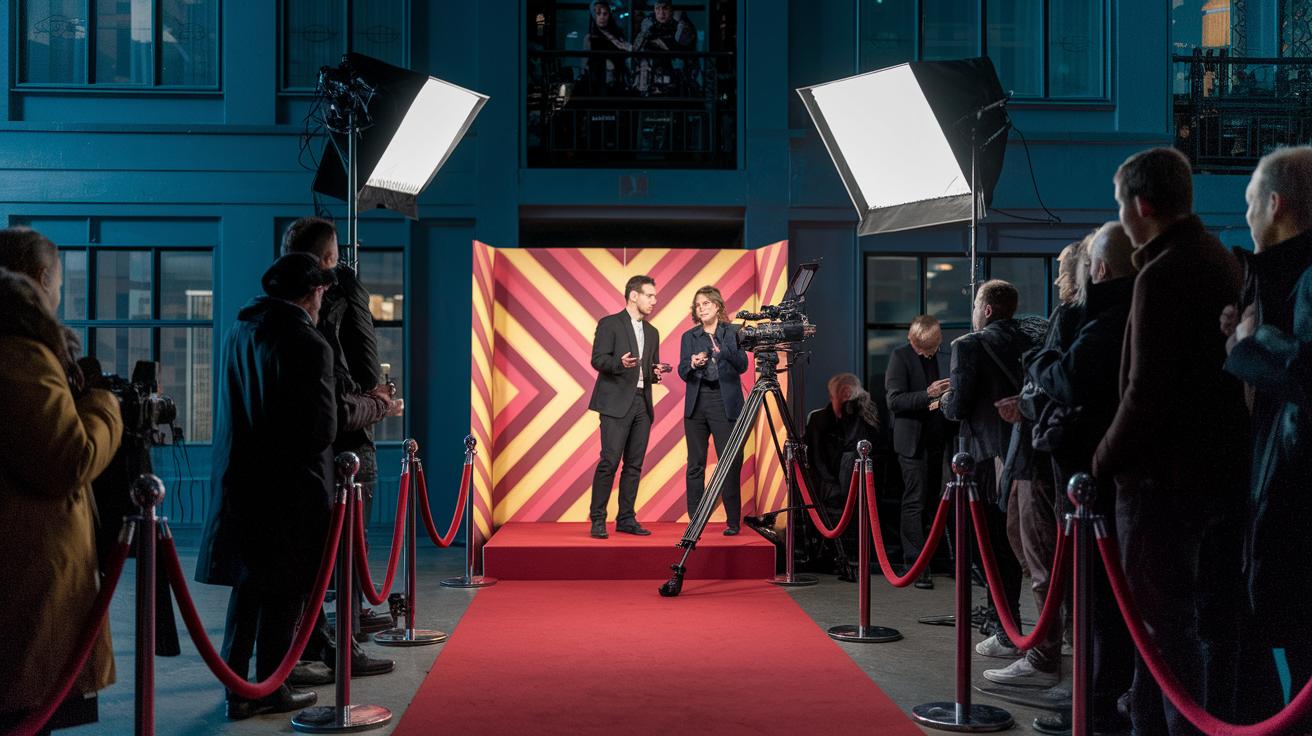
Filmmakers create a vibrant mini-stage in every scene, where smart set designs and camera moves whisper who’s really in charge. It’s like watching a behind-the-scenes story unfold on the red carpet, each visual detail, from the chosen spot to the way the camera is set up, tells you which character is holding the power.
Here are a few secret ingredients that mix up the magic:
- Camera angle: Decides who looks strong and who might seem a bit vulnerable.
- Lighting contrast: Either gives a speaker a bold spotlight or softens their presence.
- Proximity: Shows how close characters are, hinting at either intimacy or distance.
- Blocking: Uses movement and posture to smoothly shift the power around.
- Shot sequencing: Guides our eyes by arranging scenes to reveal little power swaps.
By blending these tricks, directors weave a layered story of silent negotiations. Imagine a scene where a tilted shot shows a defiant stance or a soft light gently hints at a new twist in the story. When a character steps forward during a shot reverse sequence, it can feel like a turning moment, a signal of bold dialogue shifts that light up the screen. Every carefully placed pause or deliberate move enriches the conversation, making the whole moment charged, unpredictable, and as exciting as a live backstage reveal.
Socio-Cultural Implications of Power Exchanges in Star Dialogues
Star dialogues do more than just tell a story. They reveal a cultural secret about power that is hard to miss. Every character brings their own background and history, which shows up in every word they speak. Some characters naturally earn respect because their heritage carries a rich cultural meaning. When we listen closely, we catch hints of bigger social issues like privilege and common societal rules. It’s like getting a peek behind the curtain at how reputation and culture mix together.
Every line a star speaks is a tiny window into a hidden world of power. The way they talk tells us about their status, their group, and even a bit about who they really are. And when experts break down these conversations, they see how everyday chat can hide smart political commentary. As familiar voices trade words on screen, you can almost feel the soft clash between strong influence and gentle respect. It makes you appreciate how celebrity interactions reflect a larger, ever-changing social story.
Final Words
In the action, we explored how character speech reveals hidden power through dialogue structure, linguistic cues, and visual elements. We walked through frameworks that measure speaking frequency and narrative shifts while unpacking scenes that bring theory to life.
Our deep dive into analyzing power dynamics in star dialogues shows that behind every line lies a subtle exchange of control. The blend of academic insights and real-world case studies leaves us feeling inspired and ready for more captivating entertainment revelations.
FAQ
Analyzing power dynamics in star dialogues pdf
The PDF examines how dialogue exchanges reveal which character holds greater influence, highlighting the shift in control as characters interact on screen.
Analyzing power dynamics in star dialogues essay
The essay breaks down how conversation control and speaking patterns set up character roles, offering insights into the flow of power throughout cinematic exchanges.
Echoes of power: language effects and power differences in social interaction
The term describes how language and word choice mirror underlying power differences, showing that subtle shifts in dialogue can signal which character is leading the conversation.
How to understand power dynamics?
Understanding power dynamics means looking at who controls the conversation, noticing interruptions and speaking frequency, and seeing how characters shift authority during exchanges.
What are some examples of power dynamics?
Examples include dominant characters interrupting others, scenes where the speaker shifts control, and moments where turn-taking highlights a character’s rising influence in the conversation.
What is a power dynamic in a story?
A power dynamic in a story refers to how characters use dialogue to assert or surrender control, which in turn shapes the narrative direction and character development.
What is the power dynamics theory?
The power dynamics theory explains that communication patterns, such as speaking turns and interruptions, help establish narrative authority and influence the balance of power within a scene.