


Ever wonder how one celeb's tweet can spark a whirlwind of feelings? The excitement isn’t just in the bold headlines, it hides in the small shifts that reveal the true vibe of the fans. In this post, we're sharing a smart trick for noticing those sudden mood swings in celebrity chatter. Imagine it like watching a fun script where each pause and tone change tells its own little story. We'll show you the simple steps that turn everyday comments into clues about the public mood.
Essential Framework for Analyzing Emotional Turns in Celebrity Discussions
Ever wondered how experts break down the buzz of celebrity chatter? The secret lies in a solid framework that turns complex talks into easy-to-follow pieces. By setting up clear, simple steps, you can catch even the slightest shifts in tone and transform raw data into insights that really show what fans are feeling.
At its core, this method is all about scoring emotions and spotting little hints that reveal the mood behind the headlines. Think of it like the tools used by data scientists at Adoreboard, they track feelings such as joy, anger, surprise, trust, and even annoyance over time. This clever approach focuses on four main parts: finding the normal vibe, noticing when that vibe changes, measuring just how big the shift is, and linking those changes to overall trends in the conversation.
Here’s what it breaks down to:
- Sentiment Extraction
- Emotional Cue Identification
- Turn Quantification
- Impact Correlation
Each step builds on the one before it, kind of like layers of backstage secrets. By first pulling out the sentiment and then spotting those key emotional clues, analysts can zero in on the moments when the mood shifts. Next, they measure these changes with care and finally connect them to the overall chatter, revealing just how much these shifts impact audience vibes.
Case Studies in Celebrity Dialogue Mood Mapping
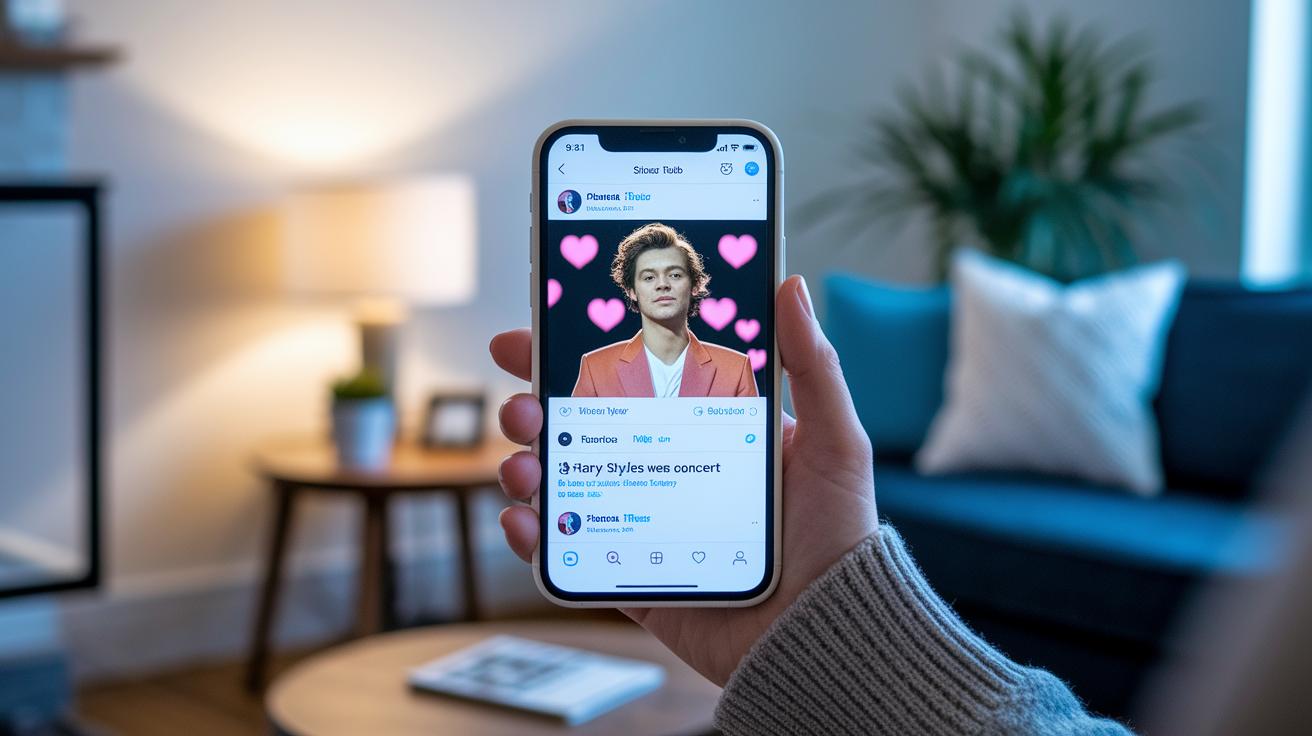
Harry Styles’ tweet study is a fun peek into how positive vibes ripple through celebrity chatter. Data experts tracked his tweets using Toneapi for eight whole months, and wow, the burst of joy and supportive energy was clear. His lively, warm online presence shows just how upbeat tones can make fans feel connected and uplift a star’s image.
During one intense TV interview, things took a sudden twist from surprise and giggles to a more fraught, angry tone. Analysts spotted that the fun, playful banter quickly shifted into tense language, lowering the overall mood score. This change was caught live with cutting-edge speech analysis techniques. For those curious about the details, check out our “celebrity interview insights” at https://imjustdandy.com?p=1710. It’s amazing how a few word tweaks can completely change the mood of a conversation.
These emotional curves in celebrity dialogue show just how real and layered their interactions are. Each dip and rise in tone reflects their genuine feelings and pulls fans in deeper. Every shift makes viewers feel like they’re getting a true behind-the-scenes glimpse, sparking empathy and lively engagement across different platforms.
Techniques and Tools for Conversational Sentiment Decipherment
Ever wondered how pros catch all the feels in celebrity chats? It all comes down to choosing the right tool. Picking the perfect method means you won’t miss a beat, from the loud cheers to the soft whispers of sentiment. Take Toneapi, for example. This tool leans on machine learning and word-checking magic, making it fast enough to catch emotions in tweets as they fly by. On the flip side, the VADER algorithm takes a more rule-based approach, giving ratings to both spoken and written words by scoring them neatly. And don’t forget about manual coding frameworks, where real people follow detailed guidelines to flag those subtle emotional hints that might slip past automated systems.
| Tool/Method | Purpose | Key Features |
|---|---|---|
| Toneapi | Real-time emotion classification | Machine learning, word-checking magic |
| VADER algorithm | Polarity rating of text | Rule-based, great for both spoken and written words |
| Manual coding framework | Tagging emotional cues | Guidelines-based, sharp human insight |
Mixing these methods is like having both a wide-angle lens and a zoom on the red carpet. You get fast, broad scans from Toneapi and VADER, while manual checks pick up the fine print. This combo makes sure that big changes in mood get flagged right away and the tiniest shifts don’t slip by unnoticed. It’s a pretty cool way to see how emotions in celebrity chatter hook the audience and shape public talks. Ultimately, blending these techniques gives us a more vibrant look into how language and feelings dance together in the glamorous world of celebrity chatter.
Linguistic Emotion Variation Exploration in Celebrity Conversations
When you listen to celebrity chatter, it’s like getting an exclusive backstage peek at their hidden emotions. Every tiny change, a word choice, a little pause, or even the way they form a sentence, acts like a subtle signal, hinting that their feelings might be shifting. Think of it as a soft whisper before a bold statement, suggesting a move from trust to slight irritation.
Look deeper at those natural shifts in how they speak. A celeb might start with a calm, collected tone and then suddenly cut off a sentence, leaving us hanging like a dramatic cliffhanger. Ever heard someone say, "I always, " and then just stop? That quick break isn’t just a pause; it’s a burst of real emotion, like a sudden flash of frustration lighting up the scene.
Catching these little cues is key to really mapping out the mood in high-profile conversations. By noticing even the smallest changes in language or timing, you can follow the emotional journey of the conversation, much like watching the shimmer of stage lights reveal hidden backstage secrets.
Impact of Emotional Turns on Audience Response and Media Narratives
When a celebrity's mood suddenly shifts, it's like watching the sparkle of stage lights fade into a moment of raw emotion. One minute, the star beams with a bright smile; the next, a hint of tension flashes across their face, and just like that, social media lights up. Fans start tweeting, sharing, and commenting, eager to unravel every subtle detail. Imagine a live Q&A where a star's brief frown sends fans into a whirlwind of hot debates online, everyone is sharing their take as if it were an exclusive backstage secret.
And then the media jumps in with equal zest. Paparazzi and red carpet reporters capture every fleeting expression, twisting those quiet moments into headline stories. They love to turn a single, genuine emotional glimpse into a narrative that's as bold and intriguing as a red carpet scoop. It almost feels like each camera click turns raw feelings into a story that everyone can talk about.
Yet, there’s a tricky balance here. While fans love the authentic vibes and rush of social media excitement, there’s a risk that deep, multi-layered emotions get boiled down to one catchy sound bite. Both supporters and professionals who cover these moments know that behind every fleeting change lies a more complex story, waiting to be fully understood.
Final Words
In the action, we broke down a clear framework for analyzing emotional turns in celebrity discussions. We explored methods from sentiment extraction to impact correlation, and even highlighted real-life examples like mood shifts in interviews that brought genuine connection to the spotlight.
The analysis emphasized the importance of combining scientific tools with raw, relatable emotion. It leaves us feeling inspired and ready to tackle analyzing emotional turns in celebrity discussions with fresh eyes and infectious enthusiasm.
FAQ
What do the “analyzing emotional turns in celebrity discussions” PDF and essay cover?
The analysis documents explore how shifts in celebrity tone are tracked using sentiment scoring and emotional cue detection. They lay out a step-by-step framework for mapping mood variations in public discussions.
Why do I get so emotionally attached to celebrities and what is the psychology behind celebrity obsession?
These questions highlight our deep-seated connection to star power, where personal identification, admiration for glamour, and perceived relatability drive intense emotional bonds. Our brains naturally seek stories that mirror our aspirations.
What is the psychology behind celebrity endorsements?
The psychology behind celebrity endorsements lies in our tendency to trust familiar faces. Endorsements use this comfort, transforming star appeal into a persuasive tool that boosts product credibility and engages our emotions.
Why do people gossip about celebrities?
Gossip about celebrities arises from our curiosity about luxurious lifestyles and public missteps. Sharing this news creates a social buzz that helps us bond over familiar narratives and collective cultural interests.