
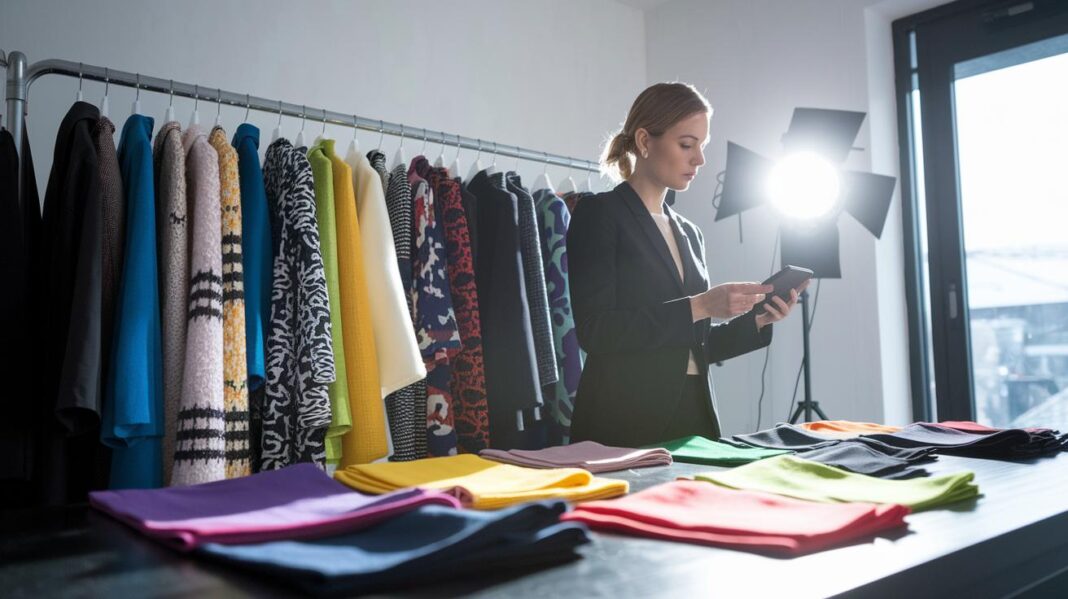

Ever wondered how tiny, up-and-coming designer labels are turning the fashion game on its head? These fresh brands are packing a punch with quality, realness, and fair production practices. Instead of getting tied down by long-term deals, they prefer pop-up shows and direct sales that make every collection feel like a secret, exclusive drop.
In this piece, I'm taking you behind the scenes to reveal how clever creativity and smart business moves are shaking up old-school models. So get ready, because these emerging designers aren’t just a fleeting trend, they’re a true game-changer in modern fashion.
Comprehensive Evaluation of Emerging Designer Labels
These emerging designer labels are really grabbing attention in the fashion world. They’re fresh, small-scale brands that put quality, authenticity, and ethical production at the forefront. You can almost feel the buzz when you see their limited collections, each piece is made with care and a unique artistic flair. Rather than being tied down by long-term wholesale deals, many of these designers flip the script with pop-up shops and direct-to-consumer sales, ensuring their collections always feel new and exciting.
You might have spotted them strutting the stage at major fashion weeks in New York, London, Paris, and Milan. They stand shoulder-to-shoulder with long-established names, and their presence is a clear sign of their rising influence. With a blend of creative expression and savvy business strategies, these labels are shaking up traditional models and championing sustainable, ethical fashion.
Here’s what really matters when you check out these designers:
- Originality of design language
- Sustainability and ethical sourcing
- Digital engagement strategy
- Market adaptability and feedback loops
- Strength of brand identity and storytelling
Breaking it down, evaluating these labels means looking at these key points. Each one not only showcases the individual charm of a budding designer but also reflects a broader shift toward ethical practices and rapid responses to what customers want. In other words, by daring to push the envelope in both design and marketing, these emerging designers are energizing a fashion landscape that prizes innovation, sustainability, and smart market strategy.
Market Trends Driving Emerging Designer Labels
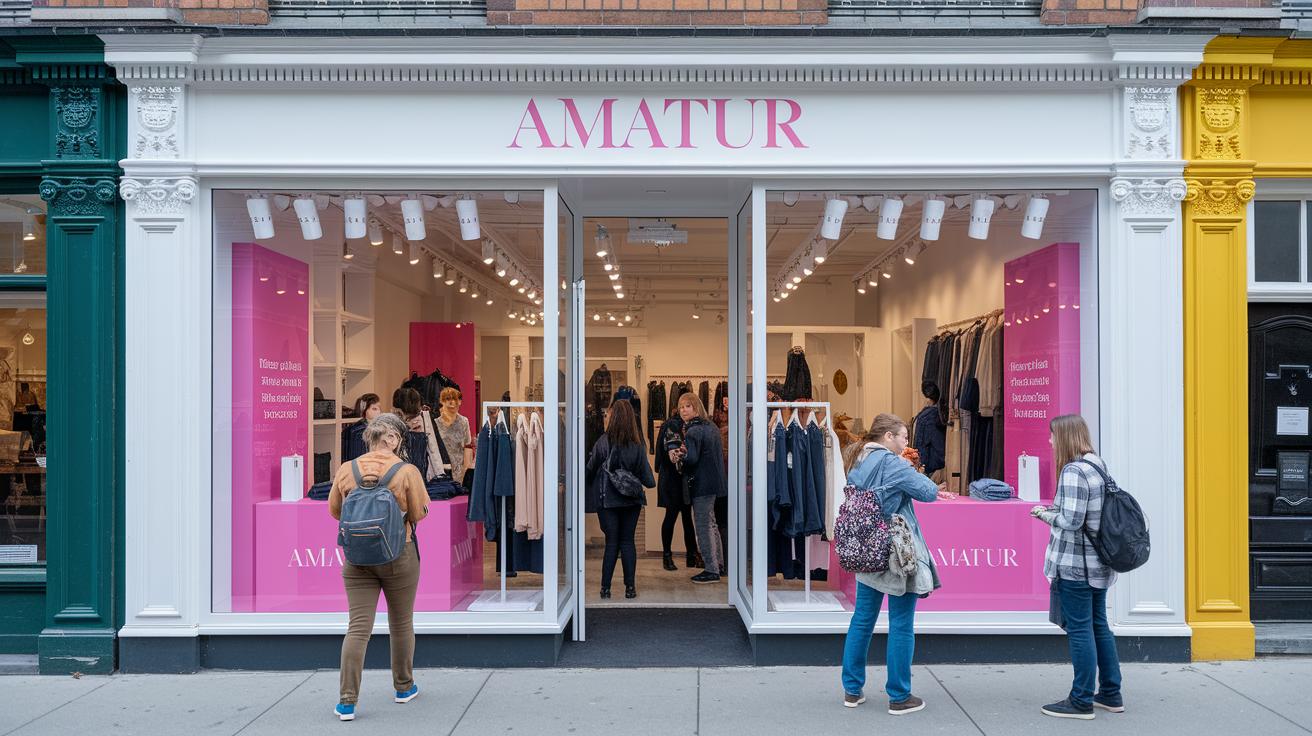
More and more, fresh designer labels are choosing to sell directly to you with pop-up events that feel as exciting as a surprise red carpet appearance. Studies show that nearly 65% of these brands skip the usual wholesale route so they can chat directly with their fans. These pop-up shops give designers a chance to try out new collections and immediately hear what people think, tweaking their style on the spot. This quick, face-to-face method builds a genuine bond between the brand and its audience, sparking fresh ideas in the market.
Brands are now using smart, data-driven systems to keep up with what everyone wants. Designers track viral trends as they happen, allowing them to adjust production on the fly and avoid excess stock. With digital tools making everything smoother, customers get what they need almost instantly. This perfect mix of creative design and fast delivery keeps collections trendy and irresistible. And yes, this fast pace means growth shoots up even quicker.
The rise of circular fashion and luxury resale is adding more shine to these labels. New tech tricks like virtual try-ons have slashed return rates well below the old 24% mark. By promoting sustainable practices and giving each garment a longer life, these eco-friendly moves add extra sparkle and value. Shoppers now favor brands that blend cool style with a strong sense of responsibility, creating even more buzz.
Putting all these trends together, it’s clear why brand value and investor interest are on the rise. By combining direct-to-consumer engagement, flexible production methods, and smart resale strategies, emerging labels build a rock-solid foundation for long-term success. Investors are excited by brands that adapt quickly to digital trends and market shifts. Better profits, loyal fans, and vibrant social media buzz all point to an incredibly promising future for these innovative designers.
Technology and Sustainability in Emerging Designer Labels
Emerging designer labels are diving into digital tools that spark creativity and boost efficiency. They’re using easy-to-use digital design software to whip up prototypes in a flash, turning fresh ideas into reality almost instantly. And with clever AR and AI tech, shoppers get to enjoy fun virtual try-ons and personalized experiences that feel just like a backstage pass. Plus, blockchain is now in the mix, offering a clear view of a garment’s journey from design to delivery so you always know that quality and ethics are front and center.
At the same time, designers are giving sustainability a real glow-up. They’re testing out eco-friendly materials like bio-based fabrics, recycled textiles, and cottonized hemp that score high on green vibes. Some even take it further by crafting items that can be fully recycled, cutting down waste while staying stunningly stylish. These green practices bring a modern flair to collections and show a true commitment to ethical production. Imagine a designer who turns recycled textiles into eye-catching pieces, melding chic looks with a clear conscience that makes every piece a standout hit.
Case Studies on Standout Emerging Designer Labels
Nanushka began as a modest label in Budapest, quietly making waves with its simple, stylish silhouettes and vegan leather collections. Over time, it evolved into a leader in sustainable fashion, driven by a clear creative vision and a devoted focus on ethical production. Its timeless, understated designs have not only boosted sales but also sparked a buzz on social media through word-of-mouth and thoughtful influencer collaborations. Fans worldwide are drawn to Nanushka for its genuine ethical stance and steady global appeal.
Ottolinger mixes bold, avant-garde style with smart production methods that click with today’s ever-changing market. The label has carved out a unique niche by blending artistic flair with practical business moves. Its clever approach to e-commerce and digital marketing has quickly grown its audience and sales figures. Recent retail numbers show that Ottolinger’s striking product lines keep consumers engaged and steadily drive revenue in a competitive landscape.
Ganni, rooted in the clean lines of Scandinavian design, connects directly with its audience using digital platforms and influencer partnerships. Known for its limited-edition drops and agile marketing tactics, Ganni has sparked a vibrant online community and boosted digital engagement. The brand’s knack for clear, relatable storytelling resonates with shoppers, leading to notable growth in both revenue and market reach. By turning everyday shopping into an interactive experience, Ganni sets a high bar for emerging labels everywhere.
Future Forecast for Emerging Designer Labels
Between 2025 and 2030, fresh designer brands are gearing up to use cool tech that’s set to change how fashion meets its fans. Digital design tools, smart AI for personalization, and blockchain tracking for supplies are making everything clearer and faster. Thanks to NFTs that show products are the real deal and AR showrooms that let you dive into a virtual shopping spree, these labels are blending art with science in a stunning way. This open approach not only wins over customers but also smooths out production, keeping brands eco-friendly and resilient in a busy market. Smart, data-driven tweaks mean every collection adjusts on the fly to match customers’ ever-changing tastes. It’s a game-changing moment that lights up a whole new era in fashion.
At the same time, real-deal brand storytelling is turning into the secret sauce for long-term success. Designers who share honest, relatable stories about their creative journeys are winning hearts, both from shoppers and investors. Reports show that rising revenue and loyal customers are proof that this approach really packs a punch. With clear analytics and quick feedback from people on the street, these labels are nimbly following trends and building strong investor trust. These savvy strategies not only boost sales but also make emerging brands irresistible to equity partners, venture capitalists, and retail collaborators. As the future looks bright, these genuine stories will keep increasing brand value and guiding smart investment moves, setting the stage for exciting, expansive growth ahead.
Final Words
In the action, we've explored emerging designer labels from evaluation criteria to market trends, digital tools, sustainability, and standout case studies. The post showcased fast innovation, direct-to-consumer models, creative storytelling, and high-tech methods that shape each brand's vibe. Our analysis of emerging designer labels highlights their knack for standing out and making waves in the fashion scene. With promising trends ahead, there's plenty to smile about as these labels continue to turn heads and inspire the industry.
FAQ
Analysis of emerging designer labels 2021
The analysis of emerging designer labels in 2021 showcases their creative edge, agile production techniques, and ethical focus that brought fresh challenges and exciting twists to traditional fashion.
Fashion business new update
The fashion business new update spotlights evolving digital strategies and direct-to-consumer models, giving brands a quick and personal way to capture current tastes and keep style fans engaged.
What does emerging designer mean?
What emerging designer means is an up-and-coming label that prioritizes innovative design, ethical practices, and rapid response to trends, setting the stage for modern fashion development.
Who are the top 10 fashion designers in 2025?
The top 10 fashion designers in 2025 are expected to be trailblazers mixing tech-savvy methods with eco-conscious designs, as the industry shifts quickly toward inventive and sustainable style.
What brands are Gen Z wearing?
What brands Gen Z are wearing are those that blend contemporary design with ethical methods and digital flair, appealing with trendy aesthetics and engaging social media vibes.
Why are designer labels so popular?
Why designer labels are popular is because they deliver unique style, quality craftsmanship, and authentic storytelling that resonates with fashion lovers seeking distinct and standout pieces.