

Ever wondered if a flashy headline really spills the tea? In today’s whirlwind of celeb updates and gossip, it’s tough to tell what’s genuine and what’s just sparkle. Media literacy is your backstage pass, it helps you figure out if a story is the real deal or just hot hype.
When headlines fly by like paparazzi flashes, missing out on spotting the truth can be all too common. Learning to think for yourself is like getting the ultimate scoop at a red carpet event. So why not become your own media detective? Enjoy celebrity news with a clear and honest view, and never miss the real story behind the glitz.
Key Media Literacy Principles for Celebrity News
Media literacy is all about reading between the lines and not getting tricked by headlines. It gives you the know-how to question what you see, check the facts, and decide if a celebrity story is real or just a flash of drama. Ever notice how even big news outlets sometimes mix facts with opinions? That means you get to be the detective and figure out what’s really real.
Lots of adults missed out on learning these skills back in school. In fact, almost half of American adults, from 19 to 81 years old, never had any media literacy training. This gap can make a celebrity scandal look way more dramatic than it is, even if not every detail is spot-on. With non-stop celeb updates flashing across our screens, the risk of seeing misinformation is a bit like reading those unchecked messages in your group chat.
Remember, learning how to check different sources and think for yourself isn’t just something journalists need to do. It’s a must-have life skill that lets you enjoy celebrity stories without falling for the clickbait hype.
Dynamics of Celebrity News: A Media Literacy Perspective
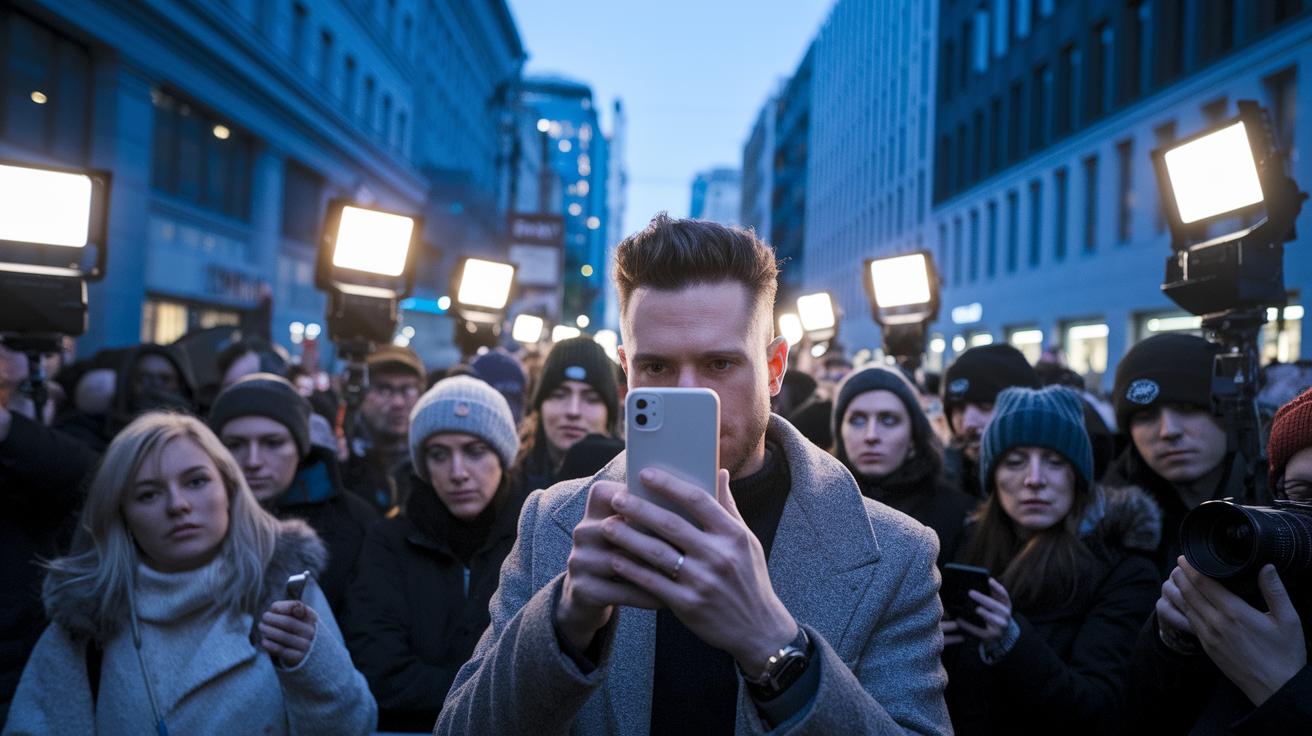
Celebrity news today moves at lightning speed. Every minute, social media buzzes with fresh snippets, and it can be tricky to figure out what’s real and what’s just opinion. The updates roll in from all sides: quick paparazzi shots, snappy influencer posts, live tweets, and even AI-made content. This blend sometimes leads to flashy headlines that pull you away from the real story.
The way we get celebrity scoops has changed a lot. Remember when photos were snapped on the fly by paparazzi? Now, influencers share polished, curated moments in real time, steering conversations as events unfold. For a fun look at this change, check out From paparazzi to influencers: The evolution of celebrity culture.
In this breakneck news cycle, misinformation finds its way in easily. You need some media-savvy skills to pick out the truth by checking if a headline is based on real interviews or just recycled buzz. Even well-known outlets can sometimes rely on secondhand info, so confirming the facts is a must.
Learning to spot trusted sources in this whirlwind of updates gives you the power to decide what to believe. When facts mix with dramatic flair, a bit of healthy skepticism helps separate true stories from clickbait. Being able to check details on the fly lets you enjoy the sparkle of celebrity news without falling for every shiny distraction.
Strategies for Verifying Authentic Celebrity Reports
When it comes to celebrity news, things can sparkle but also be a bit misleading. You definitely want to make sure what you’re reading is the real deal. Here are five savvy ways to check if a celebrity scoop is trustworthy:
-
Double-check every name and detail.
Start by looking up each quoted source or insider tidbit. Sometimes what seems like a hot tip can turn out to be just an old rumor recycled. -
Compare reports from different outlets.
Peek at two or three separate stories to see if they all tell the same tale. If it’s a hit across the board, you’re onto something real. -
Track where each fact came from.
It’s important every detail has a solid origin, like a direct interview, official statement, or press release. That way, you’re sure it isn’t just secondhand chatter. -
Follow quotes back to interviews or official releases.
Make sure the quotes you read really match what was originally said, and nothing has been twisted or blown out of proportion. -
Be cautious with machine-made summaries.
Treat AI-generated content as a starting point rather than the final word. Even the best tools can sometimes mix in a bit of secondhand info.
Using these tips, you become your own little detective in the glamorous world of celebrity news. Each step makes sure you have the right facts before you jump into the conversation.
Spotting Bias and Sensationalism in Celebrity News
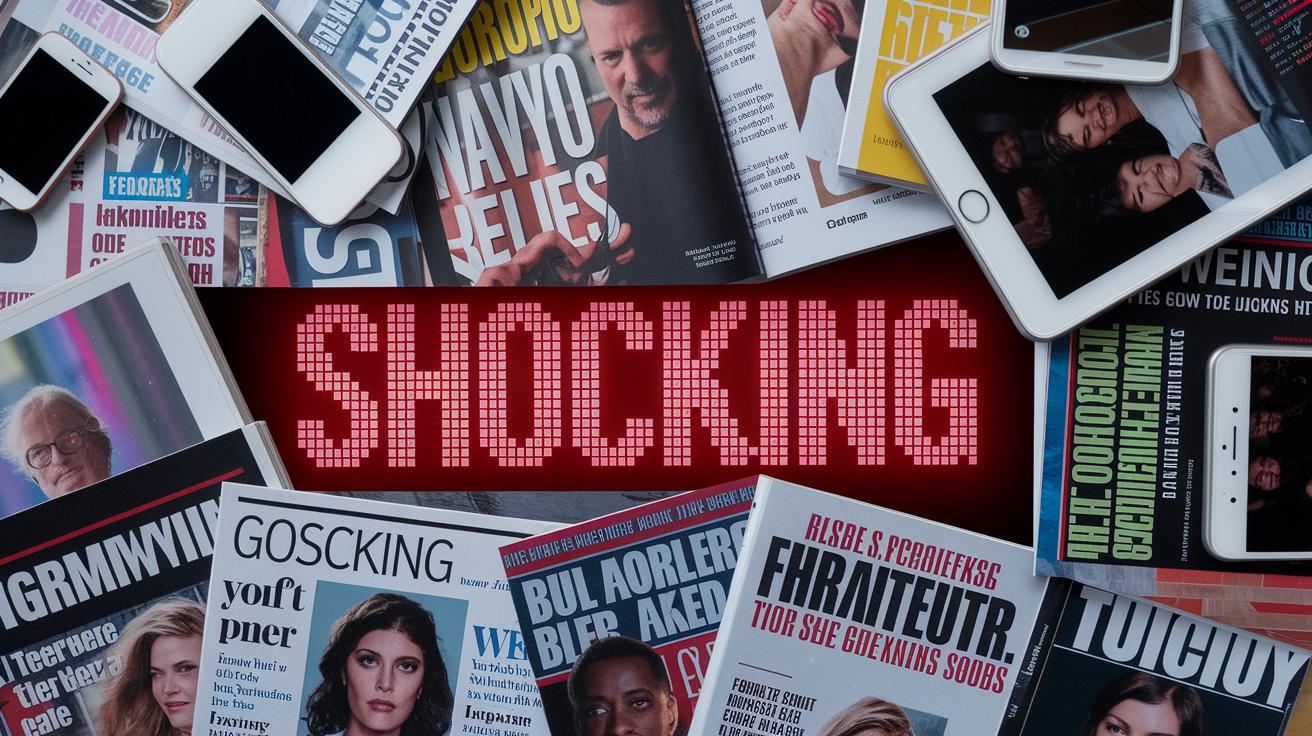
Celebrity news loves to shout with headlines that sound like they’re straight from a glittering rumor mill. You know the type, flashy and wild. When you see words like "shocking" or "exclusive," it’s a hint that the story may be more about grabbing your attention than sharing the real details.
Ever notice when group chats buzz with vague claims and unnamed sources? That’s a big red flag. It means the focus is more on triggering emotions than on giving you the complete picture. Often, the absence of direct quotes or official statements tells you the news might be spun just for effect.
Let’s break it down. Keep an eye out for:
- Sensational or exaggerated headlines
- Claims based on unnamed sources
- Language loaded with emotion like “shocking” or “exclusive”
- A lack of direct quotes or solid documentation
Next time you come across a glamorous piece of celebrity gossip, pause for a moment. Ask yourself if the dazzling details are really worth the story, or just another way to light up your feed with sensationalism.
Media literacy and celebrity news: What to know!
A recent PR stunt featuring a Santa suit went viral thanks to some mixed-up messages in group chats. Imagine this: a festive campaign meant to spread holiday cheer ended up being a confusing, viral sensation because the messages got jumbled. It’s a fun reminder that even well-intentioned celebrity news can go sideways without a second look.
Then there was that Giving Tuesday moment when a nonprofit’s celebrity endorsement got a makeover by the media. They left out some key details, so what started as an inspiring call to action ended up sounding a bit off. This shows just how important it is to dig a little deeper and understand the full story.
Organizations like RumorGuard and the News Literacy Project are here to help. They offer free modules that teach you how to question intent and check the facts behind entertainment stories. Their tools give you the power to weigh first impressions against real evidence, so you can tell when a glamorous story might be a little too spun or simplified.
Media literacy and celebrity news: What to know!

Keep your edge over tricky headlines by using cool new digital tools. It’s a bit like checking your email twice before you send it, taking an extra minute can save you from buying into a flashy but false claim. Right now, tools such as reverse image searches and quick fact-checkers give you that extra boost of confidence when you read celebrity news.
Try adding these simple habits to your routine:
- Read your stories from a mix of newspapers and online fact-checkers
- Spare a few minutes every week to double-check headlines through new apps
- Compare details with the original interviews or the celebrities’ own social posts
- Always question a headline and run a reverse image search on any eye-catching photos
For instance, imagine a scenario where an online tool spotted a weird twist in a photo just as a celebrity scandal was about to blow up. It turned out the image had been changed. Even experts lean on these smart methods, so why not join them? By using these tips, you’ll stay informed and keep things fresh instead of getting stuck in old habits.
Final Words
In the action, we explored how media literacy empowers fans to sift through celebrity news with a critical eye. We broke down essential principles, from verifying authenticity to spotting bias. The article shed light on the shifting dynamics in how celebrity stories are told, offering easy-to-follow steps for checking facts. Remember, media literacy and celebrity news: What to know is all about trusting your instincts and staying curious. Keep embracing smart habits when catching the latest updates, and you’ll always stay ahead of the game.
FAQ
What is media literacy?
The definition of media literacy is a set of skills for reviewing, analyzing, and questioning media content. It empowers you to sift fact from fiction, especially useful when following celebrity news updates.
What is media literacy for students?
Media literacy for students involves learning basic skills to analyze and question TV, online, and print stories. It prepares them for catching false claims and spotting biases in celebrity coverage.
What are the 5 key information literacy skills?
The key information literacy skills include source verification, cross-referencing facts, analyzing data, evaluating evidence, and questioning assertions. Each skill helps you judge media reliability and remain well informed.
How does media literacy help with voting?
The connection between media literacy and voting is that sharp media skills let you spot misleading reports and exaggerations, ensuring decisions are made based on trustworthy news, even when celebrity narratives mix fact and opinion.
How can I be more media literate?
The pathway to being media literate is shown by practicing double-checking sources, comparing outlets, verifying quotes, and monitoring language used. These habits will boost your news digestion ability.
What do people want to know about media literacy?
The common questions about media literacy revolve around its definition, its importance for student learning, key skills needed, and its role in filtering the mix of fact and flair in modern celebrity stories.
Who are media literacy experts?
Media literacy experts share insights about evaluating news and celebrity coverage. They educate on verifying facts, detecting biases, and using practical methods to analyze diverse media messages.