
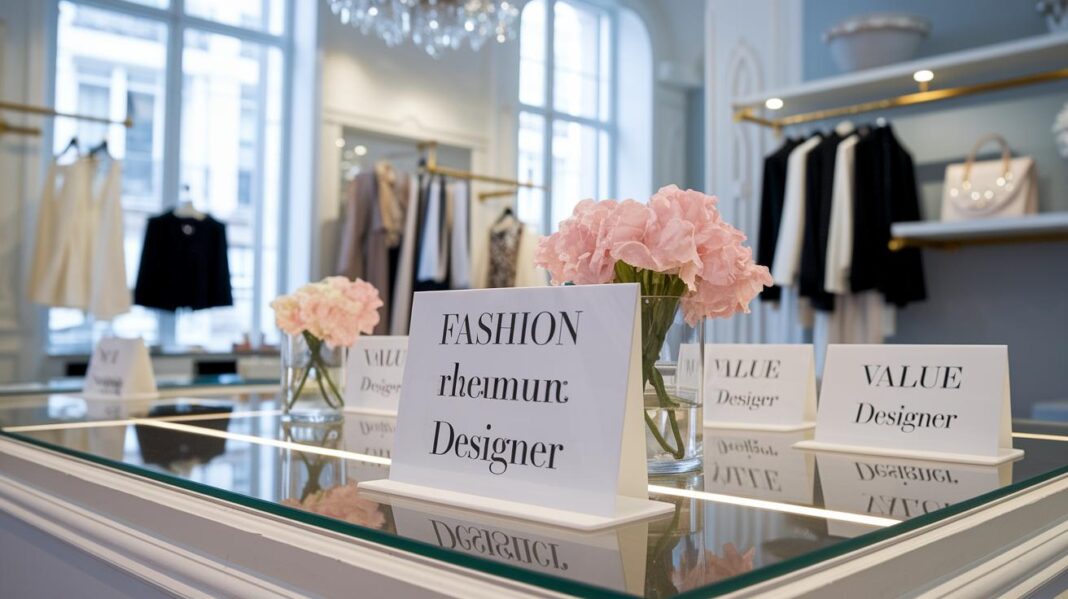

Ever looked into why luxury pieces come with those ridiculously high price tags? In the glamorous world of designer labels, the cost isn’t just a number, it’s like a secret recipe of years of careful work, top-notch materials, and a legacy that screams class.
When you pick up one of these items, you’re not just buying something pretty; you’re investing in a piece of history and a display of unmatched skill. Every stitch and design has its own tale, like a backstage story that only the insiders know.
This story breaks down how every little detail builds up to that high value, showing why true quality shines with real sophistication.
Designer label pricing: what adds value radiates class
Luxury pricing isn’t just a number on a tag. It mixes top-notch quality, a rich past, and genuine craftsmanship to turn an item into a true status symbol. When you see a premium price, it means you’re not just buying a product, you’re stepping into an experience made to shine.
Think about these key ingredients:
- Brand prestige and reputation
- Skilled craft and production quality
- High-quality and rare materials
- Limited, exclusive pieces
- A brand story steeped in heritage
A solid brand reputation creates an air of exclusivity, making you feel like you’re investing in a lasting legacy. Skilled artisans bring a level of care and detail that factory-made items rarely match. Rare materials add a hint of luxury you can see and feel, while limited editions boost the excitement because they’re hard to come by. And a well-told brand story weaves everything together, making every purchase feel like your own special invitation into the world of high-end fashion.
Craftsmanship, Production Techniques, and the Artisanal Premium in Designer Label Pricing
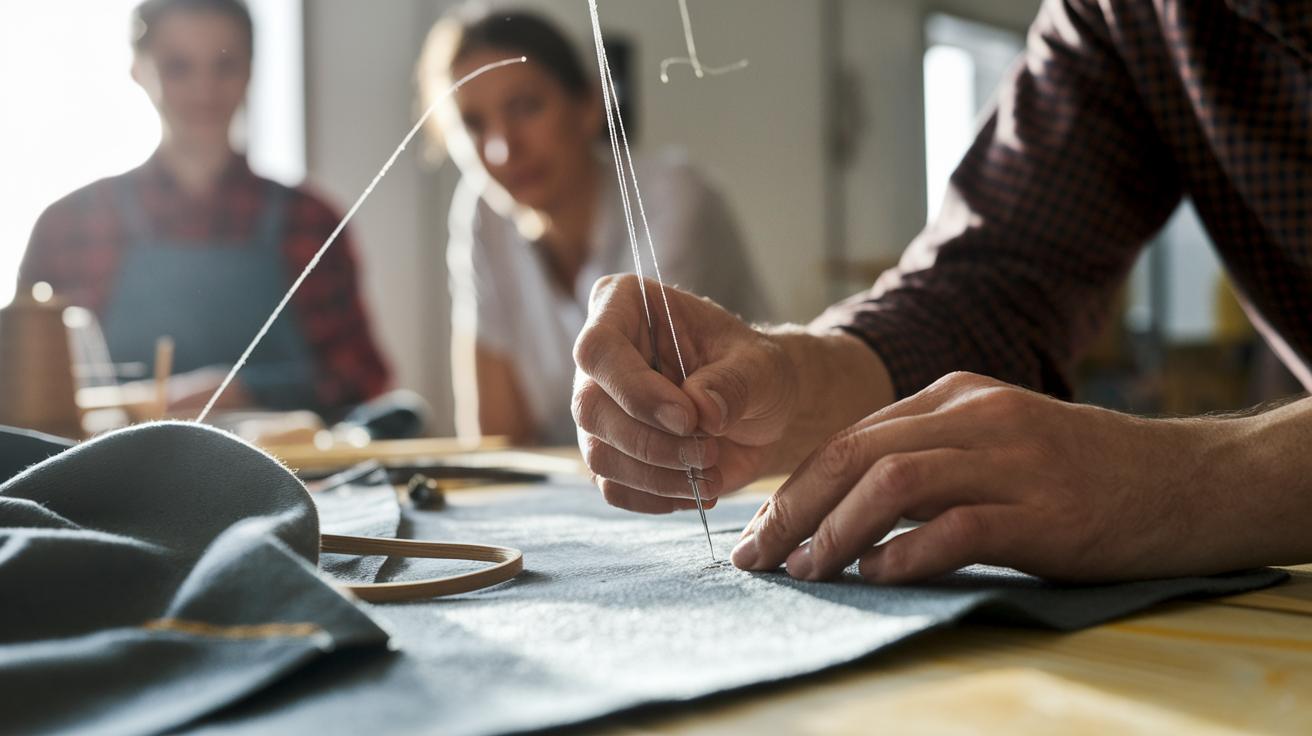
Every stitch tells a story. Skilled artisans pour their heart into each piece, working carefully by hand. Imagine a master tailor taking over 30 hours to stitch just one item, it’s like witnessing dedication in its purest form! The extra time and effort clearly show that machines just can’t compete. These classic techniques need a special kind of talent and a genuine passion for art, making every garment a little piece of wearable magic.
Modern production methods and strict quality checks add to the cost too. Factories now use the latest tech to inspect every tiny detail, ensuring each item lasts and looks flawless. By mixing high-tech manufacturing with hands-on artistry, designers create a price difference that sets their work apart from mass-produced lines. They highlight that every piece is made with genuine passion and thorough checks, so your investment gives you a true taste of luxury and lasting style.
Material Sourcing and Quality: Driving Up Designer Label Pricing Costs
Designer labels choose only the best materials to make their collections stand out. They pick everything from everyday fabrics to ultra-premium textiles that immediately catch your eye. High-end brands are super careful, they only work with top-notch suppliers to keep every piece exclusive and full of quality.
Imagine running your fingers over high-grade leather that feels rich and lasts for ages, or wrapping yourself in rare silk that’s smooth and almost magical. And then there’s the cool twist of performance fabrics that use the latest tech, needing extra care and precise handling. All of this extra effort and tech-savviness bumps up the overall cost.
Plus, when eco-certified materials join the mix, the price tag goes even higher. These green choices require special certifications and cost around 20–30% more to produce. In the end, this isn’t just about cost, it’s about supporting a sustainable, luxurious vibe that makes these brands even more special.
Impact of Heritage and Brand Reputation on Designer Label Pricing
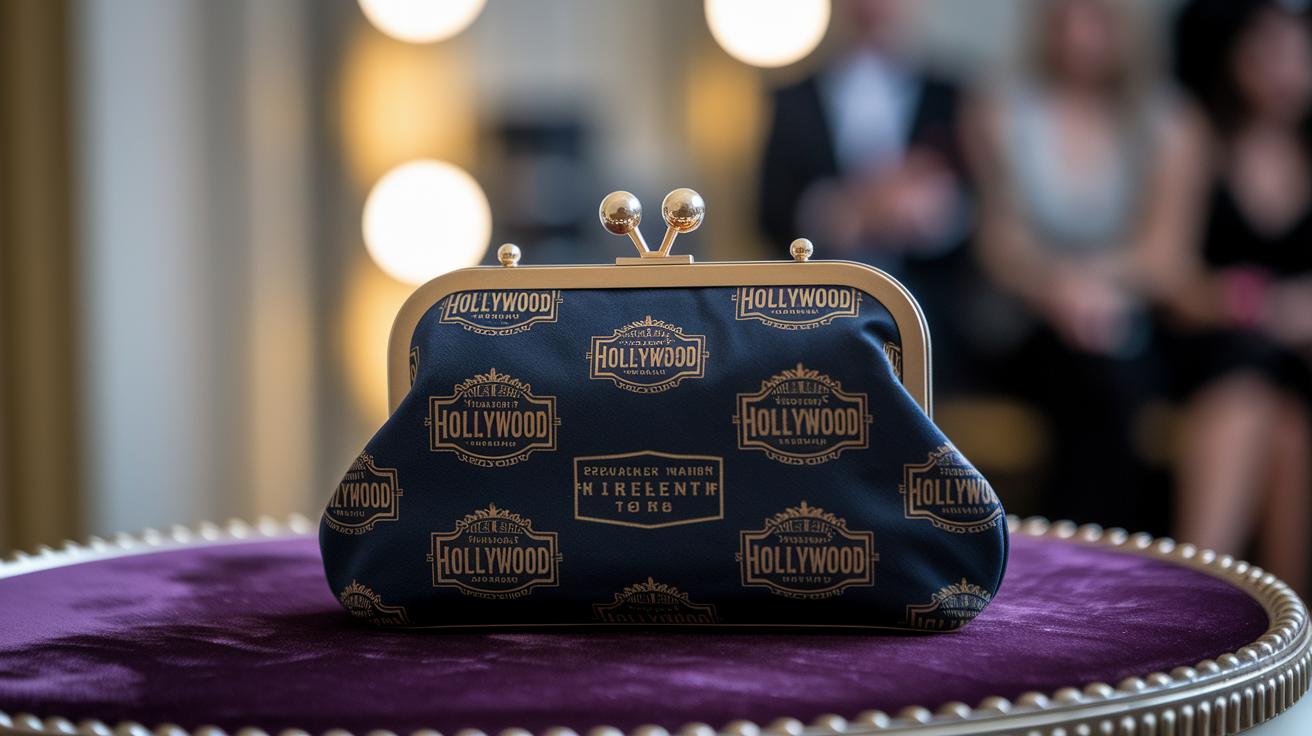
Imagine unwrapping a designer piece and instantly feeling the magic of old Hollywood. It’s not just about the stylish item in your hand; it’s a story told through classic logos and treasured designs that whisper secrets of grandeur and legacy. Every detail nods to a glittering, bygone era, making you feel like you're part of something truly special.
Over the years, brands have carefully spun these stories to create a charming mix of past and present. They turn every product into more than just an accessory, it's a piece of history, a mini heirloom that carries the weight of tradition and trust. It's like having a backstage pass to a world where every stitch tells a tale.
When you see that familiar emblem or know the legend behind a signature technique, you can almost hear the soft murmur of excited fans at a red carpet event. This rich heritage makes the product feel uniquely valuable, and that extra sparkle justifies a higher price. After all, it’s not only the quality you’re buying; it’s the story, the art, and a slice of time that adds a touch of glamour to your day.
Exclusivity and Limited Editions in Designer Label Pricing
When a designer brand keeps its collections exclusive, it creates a buzz like no other. Limiting the number of pieces available instantly makes each item feel special, almost like it's a glittering secret gem reserved just for a lucky few.
Think about capsule collections and artist collabs, when a brand releases a tiny batch of unique pieces, every item takes on an extra air of magic. Imagine a limited-edition series where each product is treated like a mini work of art, often bumping up its resale value as collectors swoop in. Collectors know these rare finds can skyrocket in worth, sometimes even selling for 25–50% more later, making them not only style statements but smart investments too.
This intentional scarcity taps into our natural desire for uniqueness. It makes us feel like we're getting a backstage pass to something truly extraordinary. And when you see an item that's available in just a few numbers, you can almost feel the heartbeat of exclusivity pushing you to act fast before it slips away.
Pricing Models, Markups, and Market Positioning in Designer Label Pricing
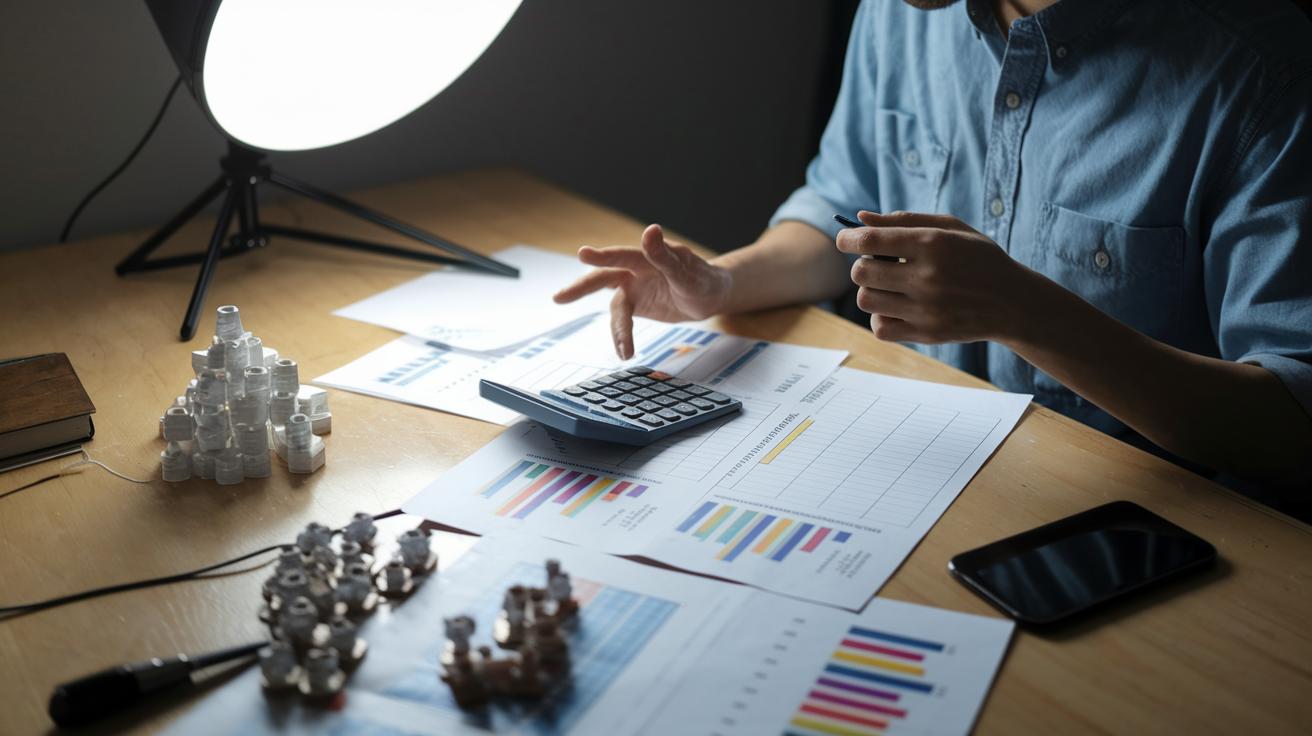
Designers kick off by figuring out the true cost of production. They add up everything from making the product to covering overhead expenses. Then they pump up that base cost by roughly 2 to 2.5 times to set their wholesale price. Think of it like planning a gourmet meal, the final price covers not just the ingredients but also the flair and skill behind each dish.
Next, once the wholesale price is in place, they double it to reach the retail price. This step is a bit like dressing up for a red carpet event: the extra boost helps capture all the glitz and value the brand represents. The process is simple yet smart, balancing the actual costs while adding that special touch of luxury.
Seasonal trends and where shoppers are also play a big part in pricing decisions. Top brands often adjust their prices during busy times, like holidays or special events, to match the buzz and excitement among buyers. They even tweak prices based on regional differences, ensuring each tag mirrors local tastes and buying power.
On top of that, dynamic pricing is key to keeping things fresh. Brands might adjust prices based on how much stock they have or how busy the season is. For example, during a slow period, a slight price drop can keep things moving without losing the upscale vibe. This careful balance means every price tells a unique story that fits today’s ever-changing market scene.
Consumer Perception and Value Proposition in Designer Label Pricing
When you think about luxury, it's not just about how a product looks or feels. Buying a high-end item is like securing a little piece of success, quality, and uniqueness. In truth, luxury shoppers aren’t simply paying for rich fabrics or sharp designs; they're signing up for that extra, magical promise a designer brand carries.
- Social status and symbolism
- Assurance of superior quality
- Emotional attachment to brand story
- Investment and resale potential
Brands know the secret: what really makes a buyer tick changes with the times. So, they pour heart and soul into every detail, from the design to how they market it, to perfectly match the taste of those who truly appreciate luxury. Each price tag isn’t just a number; it’s a statement that shouts who you are and mirrors your own lifestyle, keeping the brand’s timeless story alive at every turn.
Final Words
In the action, we broke down how designer label pricing: what adds value goes beyond just production costs. We touched on top-notch craftsmanship and the magic behind special production techniques.
The article also shed light on how rare materials, deep-rooted brand stories, and exclusive releases come together to shape prices. Each element plays a role in making luxury items truly desirable.
It's exciting to see how these factors create a unique value that keeps fans celebrating the allure of high-end style.
FAQ
What adds value to designer label pricing?
The question of value in designer pricing factors in brand reputation, exceptional craftsmanship, rare materials, exclusive collections, and a storied heritage. These elements work together to justify the premium price.
How do I calculate clothing markup for my business?
The query about a clothing markup calculator means you start with production costs and apply a keystone multiplier. This method helps set wholesale and retail prices that deliver a solid profit margin.
How can I price clothes for resale or online sales?
When wondering how to price clothes for resale or online, consider your total cost, desired profit, and current market rates. Using a clothing price calculator can streamline your pricing decisions.
What is the markup on designer clothes and typical luxury brand profit margins?
The query regarding designer apparel pricing reflects a keystone markup approach, often doubling production costs. Luxury brands achieve profit margins that mirror their superior quality, artistic design, and exclusivity.
What are four effective pricing strategies for luxury brands?
The question on pricing strategies reveals methods like premium pricing, psychological pricing, bundle deals, and dynamic pricing. These models help brands maintain exclusivity while meeting market demands.
What constitutes a high value pricing strategy in the luxury market?
The question about high value pricing means setting elevated prices that mirror exceptional product quality, heritage, and scarcity, which in turn heightens the brand’s premium status.
Which luxury brands tend to increase in value over time?
The question on luxury brand value growth points to iconic names with rich histories, limited editions, and expert craftsmanship. Such brands often gain collectible appeal and appreciate over time.