
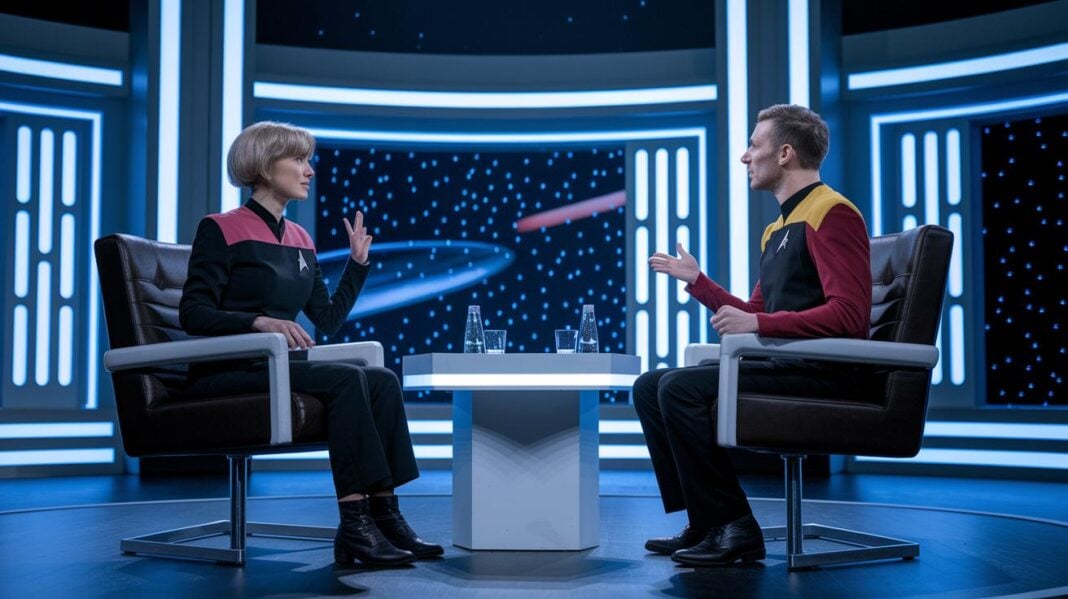

Ever noticed how celeb chats have a magic all their own? Every pause and clever comeback works like a secret clue, hinting at who really calls the shots. It’s a bit like catching a flash from a paparazzo on a busy red carpet, those split-second moments tell you all about hidden power moves. In this post, we’re diving into the art of star talk, showing you how small cues and everyday words reveal who’s really in control. Stick with me as we explore how these electrifying interactions spark a friendly tug-of-war for the spotlight.
Foundational Concepts in Analyzing Power Dynamics in Star Dialogues
When characters share their stories on screen or in books, you quickly notice that it’s not just about the words they speak. It’s also about the way they let silence speak, how they share the spotlight, and even those little pauses that hint at hidden feelings, like a behind-the-scenes moment before a big reveal.
These exchanges do more than push the plot forward. They give us a sneak peek into a character’s true self, their quiet fears, burning ambitions, and the way they use everyday language to assert control. Think of it like watching your favorite celebrity on the red carpet; every smile, gesture, and even a brief pause builds the story of who’s really in charge.
Here are some key elements that help us understand who rules the conversation:
- Speaker status
- Turn-taking frequency
- Interruptions and overlaps
- Lexical choices and directives
- Tone modulation
- Silence and pauses as cues of control
Each of these points plays a big role in the power game. A character’s status might show their authority, while the frequency of their words can reveal who really dominates the discussion. Interruptions and overlaps add a spark of tension, almost like a sudden camera flash at the gala. Even the choice of words and the tone behind them let us in on the secret struggles for control. And sometimes, a well-timed pause says more than a thousand words. Taken together, these details offer a clear window into how stars in dialogue navigate their roles and make every conversation feel like an artful performance.
Theoretical Frameworks for Power Analysis in Star Dialogue Interactions

Ever watched a movie scene and thought, "Wow, that conversation just oozed power?" Well, models like these break down the secrets behind those electric exchanges. By using tried-and-true frameworks, experts can spot the tiny hints that reveal who really calls the shots on screen. It’s like uncovering backstage whispers that point to hidden power struggles.
These frameworks, including French & Raven’s Power Bases, Conversation Analysis, and the Three Pillars Approach, each shine a different light on what goes down when characters interact. They let us see more clearly how authority, subtle pauses, and a mix of knowledge and instinct come together to create those unforgettable moments.
| Framework | Key Concepts | Dialogue Example |
|---|---|---|
| French & Raven’s Power Bases | Authority, expertise, and a hint of tough love | Imagine a star with a commanding voice that stops everyone in their tracks |
| Conversation Analysis | Turn-taking vibes, well-timed pauses, and overlapping words | Picture a snappy back-and-forth where every word counts |
| Three Pillars Approach | A blend of science, real-world know-how, and confident thinking | Think of dialogue that mixes hard facts with bold personal flair |
Each of these models gives us a fresh glimpse into the power balance in movie dialogues. French & Raven’s approach clearly maps out roles, while Conversation Analysis lays out the dance of interaction like a perfectly choreographed scene. And the Three Pillars Approach? It adds that extra sparkle by combining solid research with real-life intuition. Together, they offer a stylish, balanced look at how dialogue not only shows power on screen but also shapes it in thrilling ways.
Case Study Breakdown: Celebrity Screen Interactions and Power Shifts
Imagine a scene from The Godfather where every word counts. In this clip, Don Corleone speaks 12 impactful lines while Bonasera gets only 5. Corleone’s words are delivered with thoughtful pauses that make his authority feel like the glow of stage lights at a star-studded event. Bonasera’s brief interruptions, by comparison, seem less sure and confident. It’s like watching a red carpet moment where every move is planned to impress, showing us clearly that leadership fills the room.
Now, picture a scene in The Devil Wears Prada where the conversation takes a dramatic twist. Miranda Priestly steps up with a bold 30-second speech that completely transforms the mood. Her tone shifts seamlessly from calm to fiercely assertive, making it obvious that she controls what happens next. Meanwhile, Andy Sachs replies in shorter, less memorable bursts. This clear difference turns the dialogue into a stage where every pause and word builds up Miranda’s power.
| Scene | Speaker A Lines | Speaker B Lines | Power Shift Indicator |
|---|---|---|---|
| The Godfather: Don Corleone vs. Bonasera | 12 | 5 | Clear leadership through careful line timing and pauses |
| The Devil Wears Prada: Miranda vs. Andy Sachs | Bold, extended monologue | Short, fleeting responses | Noticeable shift in power with tone and sustained speech |
Looking at these scenes, it’s clear that every word and pause works like a secret ingredient to build up each character’s authority and presence.
Linguistic Strategies Signaling Authority in Star Dialogue Analysis
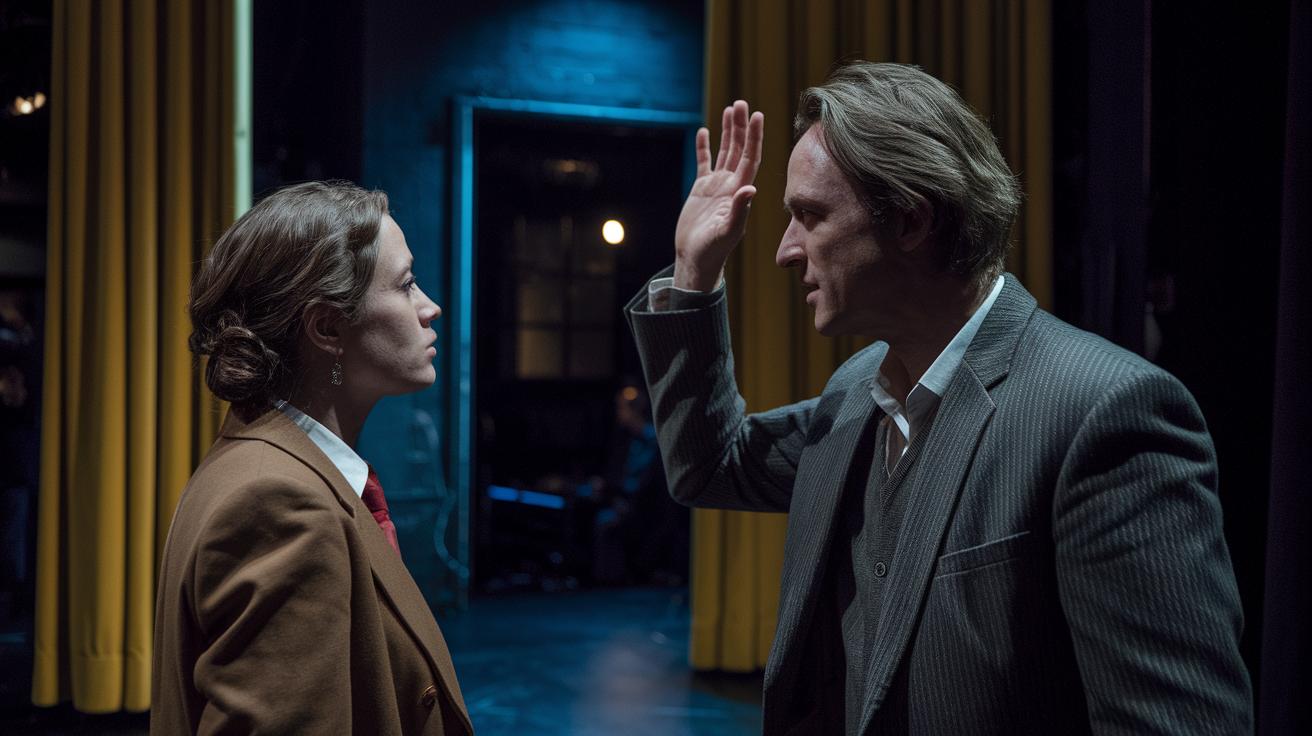
When actors exchange words, the way they speak can pack the same punch as any physical move on screen. Think of it like a heated backstage moment: a sudden interruption, a clever question, or a well-timed pause can all reveal who’s really in charge. We’ve already chatted about interruptions, shifts in tone, and pauses before. Now, let’s dive into how asking a pointed question or using warm yet firm words can subtly command respect.
-
Interruptions and overlaps: Picture a scene where one actor suddenly cuts in mid-conversation, it's like a dramatic moment when someone grabs the mic to steal the spotlight, instantly shifting the energy.
-
Rhetorical questions: These aren’t asked to get an answer but to underline authority. Imagine a chat show host tossing out, “Do you really think that’s the best approach?” – the question hangs in the air like a challenge where no real reply is expected.
-
Directives and commands: Clear, no-nonsense instructions set the tone quickly. Think of a director on set shouting, “Move aside!” This is similar to a tense courtroom moment where every word carries weight.
-
Strategic pauses: A well-placed silence can speak volumes. It’s like the quiet before a star drops a bombshell line; each beat builds tension and emphasizes the speaker’s control.
-
Tone shifts: A sudden change from soft to firm signals a shift in power. One moment the voice is calm and friendly, and the next it’s sharp and commanding – much like the evolving vibes during a late-night talk show.
-
Empathic framing: Sometimes, blending compassion with firmness can reframe a conflict and win respect. Imagine a public figure saying, “I get how you feel, but let’s keep moving forward.” This mix of empathy and resolve can make even tough orders feel relatable.
Quantitative Metrics for Mapping Power Shifts in Star Dialogues
Ever wondered how some stars steal the show while others barely get a moment to speak? By counting the number of lines and watching how characters interact, we can see who really controls the conversation. It’s like tuning in to the hidden beat of a hit song, an easy way to catch the true rhythm behind the words.
| Metric | Definition | Power Interpretation |
|---|---|---|
| Line Proportion | The share of total lines each character speaks | A big share usually means the character is in charge |
| Interruption Count | How many times characters talk over each other | More interruptions often show a battle for control |
| Directive Ratio | The number of commands or instructions in the dialogue | A higher ratio hints at a leader-like presence |
| Question Density | The count of questions compared to statements | More questions can mean a character is trying to assert control |
These straightforward measures not only add a cool, scientific twist to studying dialogue but also give filmmakers and researchers a clear guide on who’s really pulling the strings during a conversation.
Mapping Character Hierarchies in Star Dialogue Dynamics

Ever notice how characters show off their rank not just by what they say, but by the way they say it? Little things like fancy titles, respectful address, and even who gets to speak when, they all give away who’s in charge and who’s following.
Imagine watching a skilled mentor gently guide a rising star. The mentor’s calm, firm words, “I expect you to listen carefully”, set the stage, while the newbie’s soft, careful response fills the scene with genuine respect and eager learning.
Now, picture a sleek boardroom meeting. A top executive uses crisp, clear language to take control, and every colleague mirrors that tone by stepping in exactly when they should. The atmosphere feels quick and deliberate, just like a perfectly choreographed dance.
The secret ingredients?
| Element | Description |
|---|---|
| Formal Titles | Using respectful names that hint at rank |
| Address Forms | The way characters refer to each other based on status |
| Turn-taking Priority | Who gets to speak up and who listens |
| Deference Signals | Subtle cues of respect and submission |
Applying Power Dynamics Analysis to Scriptwriting and Performance
When you add a bit of behind-the-scenes analysis, scriptwriting turns into a powerful tool that helps you polish dialogue and boost on-screen charm. By checking out things like how often lines pop up and how deep each moment feels, creative teams can build a cool Character Score. This gives you the numbers to make smart tweaks. Plus, mixing in a little empathy and genuine curiosity helps actors nail those shifts in power, making every scene feel real and exciting.
- Spread out the lines so every character gets their moment to shine.
- Sneak in subtle signals, tiny tone changes or a well-placed pause can show when the power is shifting. For more juicy insights, check out what makes a successful celebrity conversation.
- Use tactical empathy by choosing words that feel caring and real, helping actors balance the ups and downs of power in each scene.
- Plan your scenes with tension in mind. Build up the suspense and then let it go to keep the audience completely hooked.
- Add in some number-crunching with tools like directive ratios and Character Scores to fine-tune the dialogue and make sure the power dynamics really pop.
These easy, practical tips help scriptwriters and performers add a spark of measurable energy to their work, turning every line into something that truly matters.
Final Words
In the action, we unraveled the power play behind celebrity conversations, breaking down how dialogue shapes status and command in film scenes. We examined core concepts, theoretical models, case studies, linguistic cues, and measurable signals that bring depth to every exchange.
Each section painted a vivid picture of influence at work in scripted interactions. The fresh look at analyzing power dynamics in star dialogues adds a fascinating layer of insight for anyone eager to see what truly sparks those unforgettable moments on screen.
FAQ
How to explain power dynamics?
How power dynamics work means understanding how influence and status shift during conversations or interactions. It explains the way people negotiate authority, often seen in dialogue through tone, turn-taking, and subtle cues.
How do you identify a power dynamic?
Identifying power dynamics involves spotting cues like who speaks more, who interrupts, and changes in tone. These factors show shifts in control and influence during a conversation or performance.
What are the power dynamics in English literature?
Power dynamics in English literature refer to how characters exert influence and control over one another. They emerge through dialogue, decisions, and social hierarchies, revealing deeper conflicts and themes in narratives.
What are the power dynamics in communication?
Power dynamics in communication are seen in everyday exchanges, where tone, timing, and speaking roles signal authority. These elements help decipher who holds influence and how interactions are managed.