


Have you ever noticed how a simple TV chat can change the way we think? Just picture it: a clever remark on a celeb talk show recently boosted support for a big cause by 12%.
These shows aren’t just about dazzling moments. They mix humor and charm to make even tough topics feel light and approachable.
In those star-studded segments, you can truly see influence in action. This article peels back the curtain to show how celebrity talk shows shape our beliefs, proving they pack a surprisingly epic punch when it comes to swaying public opinion.
How Celebrity Talk Shows Shape Public Opinion
Celebrity talk shows aren’t just about fun and glitz, they’re where star power meets big ideas. When a charming host jumps into a hot political or social topic, their words can really sway what we think. Picture this: one candid moment on air boosted viewer support for a policy by 12%! It's a neat reminder of just how these shows can shape our views.
Research shows that it’s not just about picking a topic; it’s about setting the tone for the entire conversation. Hosts mix heartfelt stories and a bit of humor to make even the trickiest issues easier to digest. Ever notice how a smart joke can make a hard topic seem a bit more friendly? Studies even tell us that these playful segments can help break down old boundaries, welcoming fresh ideas with open arms.
Remember the buzz during the 2016 campaign? That’s a great example of how well-crafted discussion on these shows can stick with us, influencing our thoughts at the ballot box. With every guest spot and thoughtful comment, viewers are gently nudged to align their views with the narrative on screen.
All of this shows that celebrity talk shows do more than entertain, they play a key role in shaping the way society thinks today.
Historical Evolution of Celebrity Talk Shows and Public Engagement

Ever wondered how talk shows became the friendly chatter in our living rooms? Back in the swinging '60s, programs like the Merv Griffin Show set the stage by inviting fresh, down-to-earth conversations into our homes. Hosts such as Johnny Carson made it feel like you were catching up with an old pal, building trust and warmth with every word.
Then along came Oprah Winfrey, lighting up the screen from 1986 to 2011. With a peak of 13 million viewers, her show wasn’t just about entertainment, it mixed personal stories with big social topics, making tough issues feel approachable. It was like getting an exclusive backstage pass to real-life discussions that truly mattered.
Today, talk shows are blending classic TV vibes with the digital world. They now merge familiar face-to-face charm with online buzz, inviting audiences to join in lively, interactive chats about today’s hot issues. With every new generation, these shows keep transforming, always ready to spark meaningful conversations while maintaining that intimate, heartfelt connection.
Persuasion Techniques and Agenda-Setting in Celebrity Talk Shows
Celebrity talk shows really know how to mix the sparkle of a personal story with the solid facts of a debate. Hosts chat away with warmth, sharing surprising tales and clear points that make us see the world a bit differently. For example, a 2019 study said that when a host backs a policy, support among viewers jumps by 12%. That little fact is like a backstage secret showing how even a subtle cue can really change minds.
A Nielsen study in 2020 found that about 40% of these shows dive into social issues. It’s as if they’re handpicking topics that matter most, much like choosing the perfect outfit for that glamorous red carpet. By blending touching personal moments with straightforward facts, the shows create an agenda that shines a spotlight on issues we might otherwise miss.
Using emotional stories makes complex or even controversial topics feel relatable and real, almost like getting a heartfelt chat from an old friend. And when you mix that with a clear, fact-based discussion, you get a combo that not only informs but also tugs at your heart. It’s like enjoying both the sparkle of a movie premiere and the quiet confidence behind the scenes.
In truth, this smart mix of topics, feelings, and hard facts means that celebrity talk shows do more than entertain, they guide public opinion. Every conversation, every shared story, is a chance to shape how millions see the world. Ever wondered how a simple chat can shift the mood of a whole crowd? Now you know.
Host Charisma and Viewer Trust in Celebrity Talk Shows
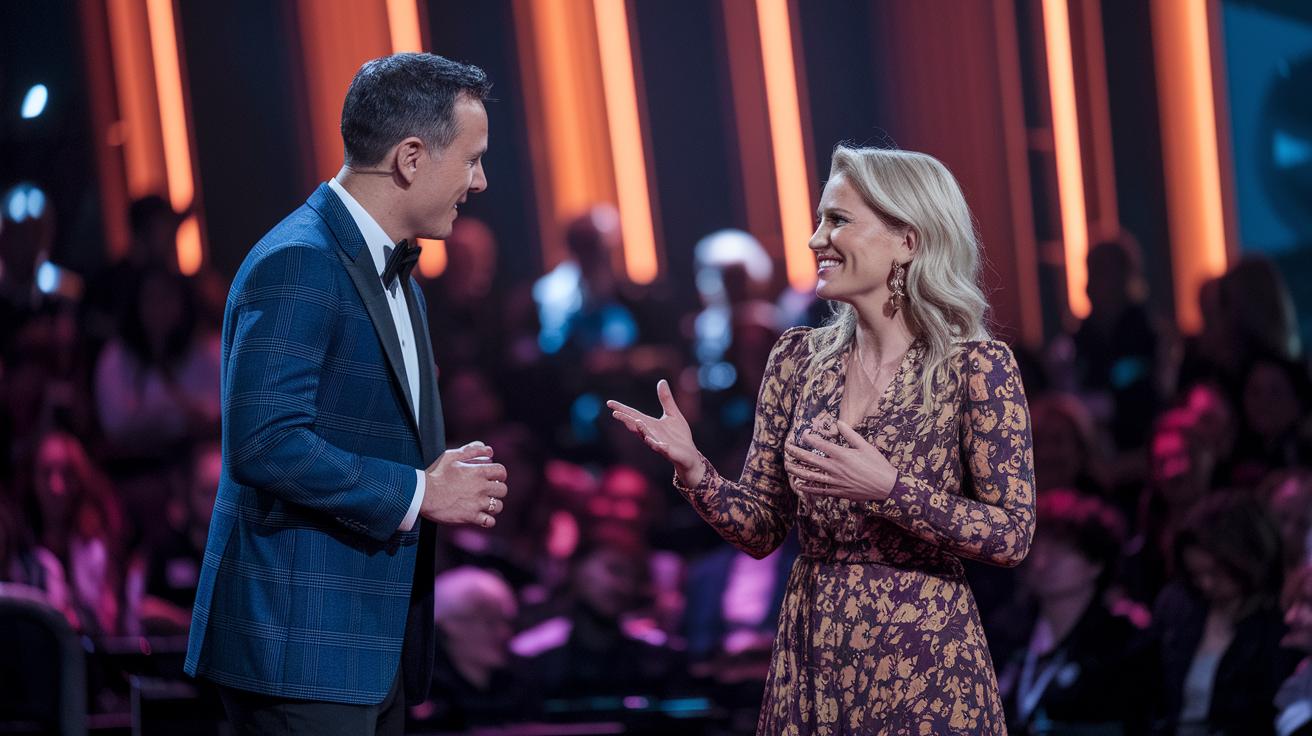
A Rutgers study from 2021 shows that when hosts bring warmth and realness to the stage, viewers are about 15% more likely to embrace the message. When celebrities like Ellen DeGeneres or Trevor Noah step up, their friendly vibes and engaging stories make you feel like you're catching up with an old friend. Imagine a moment when a host tells a heartfelt story about bouncing back from a setback, it sticks with you long after the lights dim.
Looking closer, comparisons between Ellen’s easygoing style and Trevor Noah’s clever humor prove that genuine moments build trust. People naturally gravitate toward hosts who mix humor with real-life stories, making them feel honest and dependable. This blend not only helps you remember the conversation but also makes the message hit home more strongly.
Consider this scenario: a well-loved host shares a quirky personal story about facing an unexpected challenge, instantly connecting with the audience. It’s these tender, off-the-cuff moments that transform a regular chat into something memorable, perfectly blending personal stories with public messages.
Learn more about how blending your personal touch with public moments creates magic at balance between personal and public in star conversations.
Case Studies: Celebrity Segments and Viewer Opinion Shifts
Celebrity talk shows really know how to change minds. Take Kim Kardashian on the Ellen Show in 2018, for example. She chatted about criminal justice reform, and suddenly, Google Trends showed a 25% jump in searches on the topic. Imagine that, a quiet topic turned into a hot trend simply because a celebrity decided to speak up.
Then there's Meghan Markle. During a live discussion about mental health, her honest words sparked a wave of positive vibes online. Twitter data even showed a 30% boost in good feelings after her remarks. It’s like watching a gentle stream of kind tweets burst into a full-blown chorus of support, making everyone feel a bit closer together.
And we can’t forget about the repeated mentions of “Stop the Steal” on various talk shows. These phrases have a way of sparking intense conversations online, opinions get shifted and energy builds among viewers, stirring up strong emotions all around.
All in all, real-life data proves that when celebrities speak, people listen. Their words create a ripple effect that drives public debates and reshapes the way we chat online, showing just how much impact these talk segments have on our everyday conversations.
Demographic Variations in Talk Show Influence on Public Opinion

Recent surveys show that talk shows don't sway everyone equally. For example, Pew Research (2022) found that people aged 25 to 34 are influenced about 45% of the time, while women between 18 and 49 get hit even harder at 53%. It’s like these shows pack a real punch with younger viewers and those key groups that help shape our pop culture conversations.
Nielsen backs this up too, pointing out that where you live and how much schooling you've had really matters. College grads are 20% more likely to adopt what they see on screen, and if you live in an urban area, where a mix of ideas flows all around, you’re more open to these influences than someone in a rural setting. It turns out that talk shows, with their mix of personal stories and solid facts, find an audience that's already tuned into the big social debates.
Key demographic takeaways include:
- 25–34 age group: 45% influence
- Women 18–49: 53% impact
- College graduates: 20% more likely to align with the talk show viewpoints
- Urban viewers: More open compared to rural audiences
So, these insights remind us that talk-show influence isn’t one-size-fits-all, it really depends on who’s watching and where they come from.
Digital Transformation of Celebrity Talk Shows and Public Engagement
Streaming platforms and podcasts are totally shaking up the world of talk shows. Remember Netflix’s "Chelsea" from 2016? It opened the door to shows sparking lively online chats that reach far beyond traditional TV screens. Podcasts are booming too, Podtrac’s 2023 report shows that top talk-show podcasts pull in about 1.2 million downloads each month, proving that digital audiences are starving for those insider celebrity moments.
Social media clips have become a serious game changer, boosting engagement by 40%. Snappy, shareable highlights invite viewers to jump into discussions about the hottest moments long after the live broadcast has ended. This shift turns every episode into a bustling, ongoing community event.
Editing now plays a starring role in this evolution. Producers handpick and polish key moments to create highlight reels that grab your attention like the shimmer of stage lights at a red carpet event. Want to dive deeper? Check out how editing shapes the story in recorded celebrity chats for a behind-the-scenes peek. With these fresh strategies, talk shows are reaching wider audiences while completely changing the way we tune in and interact with celebrity news.
Ethical Considerations and Viewer Trust in Celebrity Talk Shows

Back in 2017, shows like The View were called out for editing clips in a way that changed the whole story. People started wondering if these cuts were made just to boost ratings instead of sharing real news. A recent survey even found that 62% of viewers aren’t completely sure they’re seeing the whole truth, stirring up major concerns about bias in broadcasting.
Now, more and more viewers want to know exactly how guests are selected and topics are picked. They’re asking if these choices are meant to create drama rather than present a balanced story. This kind of approach can slowly chip away at trust, turning fans who once enjoyed genuine entertainment into skeptics. In the end, we need clearer, more honest content that respects our ability to understand complex issues.
Future Directions: Measuring and Maximizing Talk Show Impact
The future is looking bright for talk shows, thanks to a new wave of smart tools that let us tap into the real buzz behind those celebrity chats. Imagine having AI that picks up on every chuckle or gasp live, giving you the real feel of the room like a backstage secret reveal.
Now, add in live polls that capture viewer thoughts as they happen, and you're getting a clear snapshot of what's really gripping the audience. When you mix that with eye-tracking during the hottest moments, you can see exactly which parts spark the most attention. It’s like having a glamourous insight into how each segment sways public opinion.
Then there’s the magic of targeted segmentation. Breaking down viewers into different groups means producers can design content that hits just the right note for every crowd, almost like tailoring a red carpet experience for each fan. And the trend to watch? Live interactive segments where fans can shout out their opinions, turning a simple watching session into an exciting, all-hands-on-deck conversation.
All these innovations give us a detailed, insider map of a talk show's true impact, moving well beyond old-fashioned ratings. In short, this modern approach is setting up a smarter, more direct way to shape public conversation.
Final Words
In the action, we explored how celebrity talk shows shape public opinion, from the magnetic pull of charismatic hosts to the influential framing techniques setting the stage for viewer sentiment shifts. The post walked us through the evolution of talk-show formats, the ethical considerations behind star-studded segments, and the digital shift driving today’s discussions. Each section highlighted key research and tangible case studies that bring the excitement of behind-the-scenes moments to our screens, reinforcing the power of media narratives. The impact of celebrity talk shows on public opinion remains a captivating force, promising fresh insights ahead.
FAQ
What is the impact of celebrity talk shows on public opinion?
The impact of celebrity talk shows on public opinion lies in their ability to shape audience views using host commentary, strategic framing, and agenda-setting techniques, which can steer discussions on political and social issues.
Do celebrities influence politics and public belief formation?
The influence of celebrities on politics and public belief formation emerges when their opinions and endorsements reach wide audiences, subtly guiding voting behavior and contributing to shifts in public discourse.
Do celebrity endorsements work in elections?
The effectiveness of celebrity endorsements in elections shows up when high-profile figures boost campaign visibility, sway voter perceptions, and add a layer of credibility that can influence election outcomes.
How do celebrity endorsements help a political candidate?
Celebrity endorsements help political candidates by increasing media attention, enhancing their public image, and engaging diverse audiences, which can lead to greater voter interest and improved campaign momentum.
Who cares about celebrity endorsements?
Those invested in celebrity endorsements include media analysts, campaign strategists, and voters, since such endorsements often spark public debate, elevate candidate profiles, and influence political narratives.
How do celebrities influence public opinion?
Celebrities influence public opinion by sharing relatable stories and opinions on talk shows and social media, which, combined with their charisma, encourages viewers to reconsider their views on societal issues.
Who benefits from celebrity gossip?
Celebrity gossip benefits media platforms aiming for high engagement, fans seeking fresh entertainment, and advertisers capitalizing on trending topics, all of which help drive widespread public interaction.
What are the negative effects of celebrity endorsement?
The negative effects of celebrity endorsement include potential public skepticism and the risk that a celebrity’s personal image may overshadow important policy debates, diminishing focus on substantive issues.
How does celebrity culture impact society?
Celebrity culture impacts society by influencing fashion, attitudes, and social norms while also shaping public conversations, sometimes diverting attention from pressing social issues with an emphasis on glamour.