


Have you ever wondered how one TV show can launch a regular person into stardom? It’s like watching a hidden gem turn into tomorrow’s sensation, all in the blink of an eye.
Reality TV has completely reimagined the idea of fame, throwing all our old celebrity rules out the window. In just one season, complete unknowns leap into the spotlight, sparking a multi-billion-dollar buzz that we just can’t get enough of.
This exciting trend mixes heartfelt, raw moments with just the right amount of drama to redefine what being a star means in our world. Let’s take a behind-the-scenes look at the magic that happens when everyday ups and downs blend with the shimmer of polished storytelling, captivating millions along the way.
Reality TV’s Transformation of Celebrity Fame
Reality TV has flipped the script on celebrity culture, turning everyday folks into stars almost overnight. Did you know that in just one season, unknown contestants can skyrocket to fame and help drive a $30 billion global scene? It’s a wild transformation that keeps us all guessing.
At its core, these shows give us a genuine, unfiltered peek into life. You get to see real stories packed with love, money dramas, and personal ups and downs that make the stars seem just a step away from being your neighbor. They let us in on humble truths that spark lively debates about what really matters in relationships and integrity.
And speaking of drama, producers know just how to work their magic. They skillfully edit and stage moments to pack the perfect punch, blending real emotions with a touch of rehearsal that keeps audiences glued to their screens. Whether you’re catching up online or chatting with friends at work, that buzz is hard to miss, especially when social media lets these reality stars polish their image like true pros.
Even with a bit of behind-the-scenes tweaking, the mix of raw feelings and relatable tales keeps reality TV at the forefront of pop culture. It’s forever changed what it means to be a celebrity, showing us that fame can come from the most unexpected places.
Reality TV’s Rise and the Evolution of Celebrity Culture

Back in 1999, something wild happened in showbiz. Low-brow entertainment, like Limp Bizkit’s raw energy, the wild ride of Jerry Springer, and the very first reality TV shows, stormed into the mainstream. Ross Benes captured this moment in his book, 1999: The Year Low Culture Conquered America, showing us how reality TV went from being a quirky experiment to the big league. It was a time when fresh faces and offbeat stories started challenging the glitzy, polished world of old-school celebrities.
And you know what? Critics like Sophie Gilbert noted that these early reality shows weren’t just about cheap thrills, they changed how we see things, even rethinking what femininity meant when seen through a guy’s eyes. Scholars, including Racquel Gates, have even argued that reality TV played a role in reshaping the way Black culture was represented on screen. As more people tuned in to see stars who felt more like us and less like distant icons, the whole idea of celebrity got a serious upgrade. Authentic, real-life drama started to matter more than rehearsed, scripted moments.
This shift helped break down the old barriers. Gone were the days when a select few controlled who got to shine. Instead, platforms popped up everywhere, giving anyone with a compelling story a chance to step into the spotlight. And honestly, the impact can be felt with every new episode, keeping things bold, surprising, and utterly real.
Key Reality TV Series and Celebrity Identity Reinvention
Reality TV shows are completely flipping the script on what it means to be a celebrity. Dating competitions, survival contests, and lifestyle docu-series turn everyday drama into moments of instant stardom. It’s like watching a candid backstage moment where anyone can suddenly sparkle in the spotlight.
Remember that unforgettable table flip at a fiery reunion or the boardwalk brawl that set off a viral frenzy? Even one unexpected moment, like that table flip, can transform an unknown contestant into a name everyone talks about. These snapshots of chaos and passion pull us in and show how a split-second incident can capture all our hearts.
Shows like The Real World and Survivor prove that real-life drama creates a true, gut-level connection. Their raw, unscripted antics, amplified by clever editing and the soft hum of anticipation, help contestants reinvent themselves as modern, relatable celebrities. Then, as they transition into micro-influencers on social media, their fans get a taste of fame that feels genuine and right at home.
Here are some key points:
- Dating competitions and survival contests launch everyday stars into the limelight.
- Iconic moments such as table flips and brawls have become memorable cultural highlights.
- Rapid production and focused storytelling fuel an industry now valued at $30 billion.
- Contestants evolve into micro-influencers, shaping personal brands that resonate on social media.
This blend of raw emotion, slick storytelling, and the buzz of interactive social media perfectly captures how reality TV is rewriting the playbook on celebrity in today’s world.
How Reality TV Differs from Traditional Celebrity Stardom
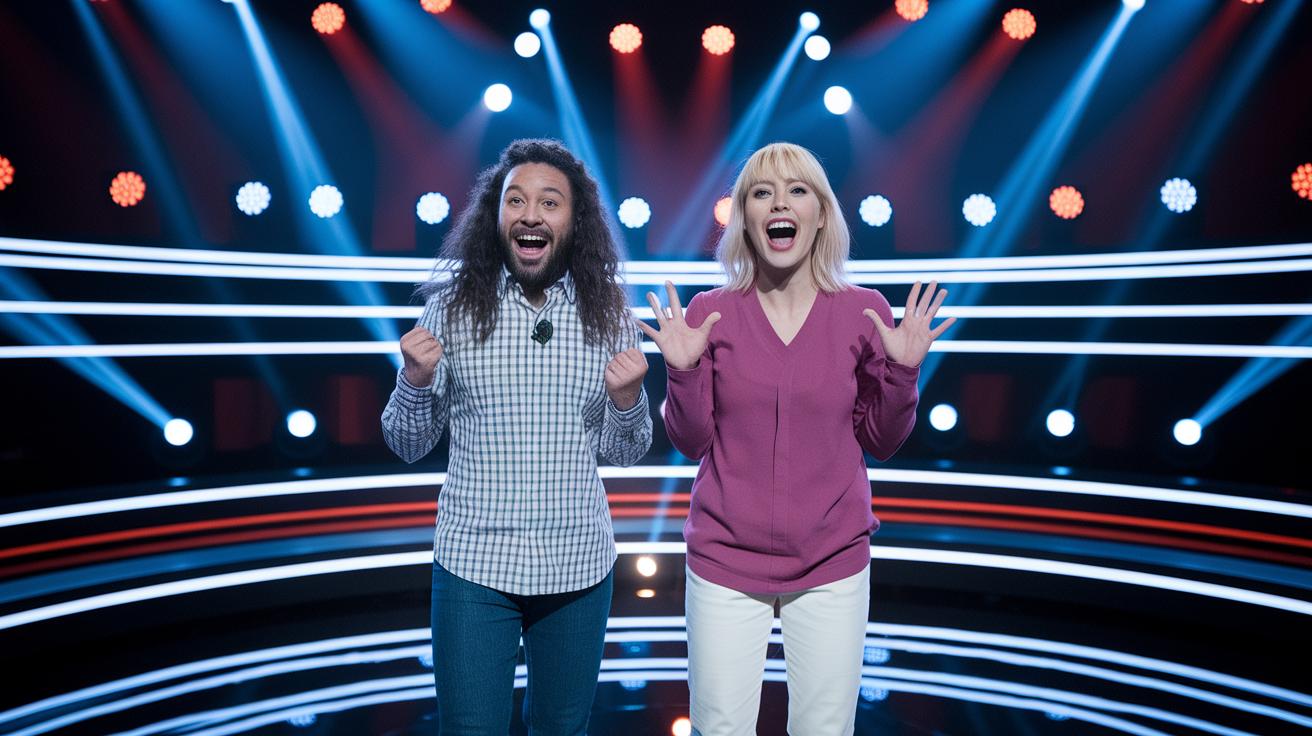
Back in the day, stardom was a carefully controlled process, film studios, scripted roles, and long-term PR campaigns all worked together behind the scenes to craft a celebrity's every move. Now, reality TV is shaking things up by putting real, unscripted personalities in the spotlight the moment they shine. Today’s fame is more about audience votes, social media likes, and those irresistible viral moments than it is about blockbuster box-office numbers.
Reality TV says goodbye to the old Hollywood routine. Instead of spending years waiting for a break, everyday folks find themselves thrust into the limelight almost overnight thanks to fast production cycles and simpler setups. It’s like catching a glimpse of a spontaneous red carpet moment, raw, genuine, and utterly captivating.
Fame today can rise and fall in the blink of an eye. Fans interact live on social media, choosing new stars in real time. That burst of instant recognition feels just like a sudden spotlight at a glamorous event, turning what might have been a small rumor into a headline-making phenomenon within hours.
| Traditional Stardom | Reality TV Fame |
|---|---|
| Controlled, slow-burn image-building | Instant, genuine fame through audience interaction |
| Hollywood’s carefully managed process | Quick production cycles that spotlight raw moments |
| Long-term PR planning and scripted roles | Viral snippets and social media buzz leading to rapid stardom |
Cultural Shifts and Public Discourse Shaped by Reality TV
Reality TV is like an unofficial guide to our culture, sparking lively debates that jump from online chats to everyday water-cooler talks. These shows put wild behavior on full display, from shocking outbursts to raw, vulnerable moments, making us all wonder where our moral lines really lie. Just imagine an episode where a staged argument suddenly turned into a heated clash, leaving fans buzzing about whether those feelings were too real to be planned.
Unscripted moments like these keep our conversations fresh and exciting. Contestants facing love twists, heated conflicts, or awkward public slips mirror our own lives in surprising ways. Group texts and social-media threads light up as everyone weighs in, turning every dramatic twist into a mini cultural debate about what really matters.
What’s truly exciting is the connection these shows create. Even with the behind-the-scenes tweaks meant to crank up the drama, there’s comfort in watching stars reveal their very human flaws. Their honest reactions and relatable struggles invite us to reflect on our own lives and values, sparking chats that go far beyond the screen.
Key points include:
- Reality TV starts lively debates both online and in casual conversations.
- Its raw, unscripted moments push viewers to rethink moral boundaries.
- Real contestants and genuine reactions help build fan communities that shape opinions on what’s acceptable.
In the end, by showing both the best and worst of us, reality TV turns personal drama into a stage for cultural reflection, inspiring discussions that feel as real as the emotions on display.
Authenticity, Controversies and Allure in Reality TV Fame

Reality TV is getting a futuristic makeover. Producers now mix in live social media feedback, letting us be part of the unfolding drama. For instance, one show had viewers vote on Instagram to decide whether a heated argument should be shown unedited, turning what seemed planned into a burst of genuine emotion.
Social media trends are completely shaking things up. Quick TikTok clips give us a sneak peek behind the scenes, those raw, unscripted moments that make you wonder what's really happening. It’s a whole new way to see how contestants truly feel, blending the line between set-up drama and spontaneous reactions.
We've seen plenty of examples. One series even embraced Snapchat stories during filming to capture unexpected conflicts that felt totally natural. Even if a scene is designed, the live digital chatter adds an extra dose of authenticity. This blend of online buzz and crafted content reinvigorates debates about what true stardom looks like and keeps audiences hooked.
- Live Instagram polls
- TikTok behind-the-scenes snippets
- Snapchat story integrations
Future Trajectories of Celebrity Culture Post-Reality TV
Reality TV has totally redefined how we see fame. Unscripted shows have opened the door for digital micro-influencers and live-stream stars by letting viewers weigh in as events unfold. Imagine watching a live vote that changes a dramatic twist, one minute the moment is planned, and the next it feels as spontaneous as a secret chat among friends.
This fresh wave of shows is breaking borders and pushing new talent into the spotlight, with stars growing right alongside their fans. The charm of genuine, relatable personalities is taking center stage, and even major brands are jumping in to stir up conversations and shift consumer trends. For more on these trends shaping modern celebrity conversations, check out this link.
In the end, real connections and honest, interactive storytelling are the keys to creating the next big celebrity, reminding us that every vote, comment, and cheer can light up the stage.
Final Words
In the action, we saw real-life moments that flipped traditional celebrity fame on its head. Reality TV transforms how stars are made while sparking debates on behavior and authenticity. The blog explored how unscripted shows influenced everything from social engagement to star appeal. These insights show how reality TV reshaped celebrity culture, turning everyday drama into major media events. It’s exciting to imagine what surprises lie ahead in this ever-evolving spectacle.
FAQ
What is reality TV and is it scripted?
The reality TV genre is all about unscripted shows featuring real people, though some scenes are arranged to intensify drama. It blends natural moments with planned twists to keep viewers hooked.
How has reality TV reshaped celebrity culture, especially in 2022?
The influence of reality TV has transformed celebrity culture by catapulting everyday individuals into fame using viral moments and social media buzz, effectively shifting how we think about and relate to stardom.
How does reality TV influence society and why is it viewed as good for society?
Reality TV influences society by sparking lively debates and sharing relatable stories that promote community conversations. Its raw, genuine appeal encourages viewers to reflect on everyday human experiences and values.
What are the effects of reality TV on its participants?
The effect on participants includes sudden fame, a surge in social media presence, and new personal challenges. Many turn into micro-influencers, balancing public exposure with the realities of everyday life.
What is the history of reality TV and what do related articles say about its evolution?
The history of reality TV spans from early low-budget experiments in the ’90s to today’s global phenomenon. Articles highlight its role in reshaping fame, contributing to a dynamic shift in how we experience celebrity.