
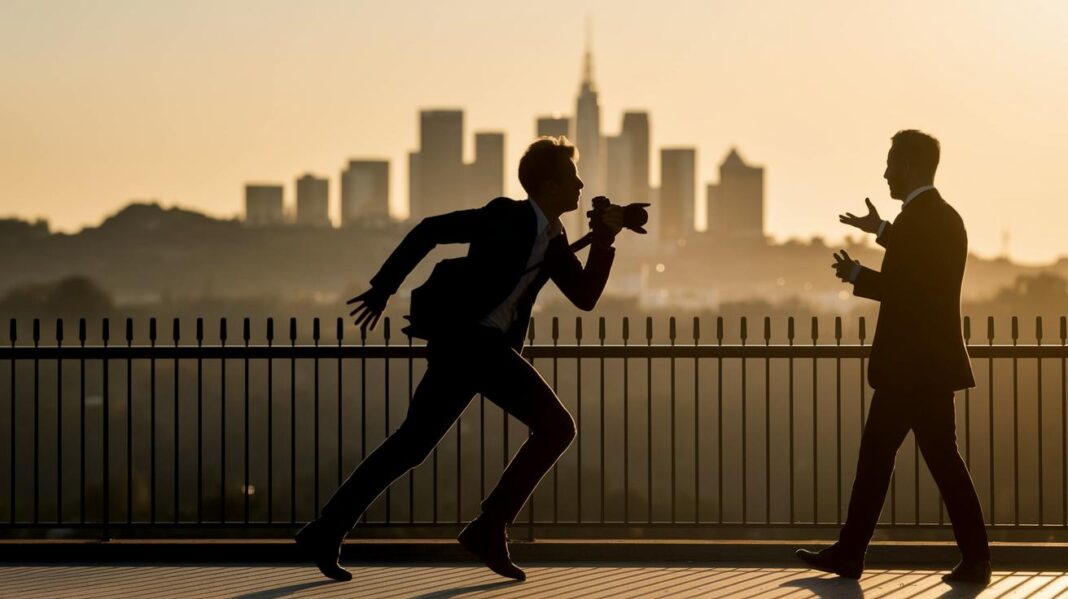

Ever wondered if chasing a celebrity's secret life is really worth the price of fame? Picture the 1950s, when film cameras were the tool of choice and photographers roamed Hollywood like little detectives trying to catch a glimpse of star-tastic secrets.
Now, technology has taken over. With smartphones and lightning-fast gadgets in our pockets, the hunt for celebrity moments is bigger and bolder than ever. In this post, we dive into how paparazzi culture transformed from its rough-and-tumble early days into today’s non-stop privacy invasions. We’ll look at how this evolution has impacted both the lives of our beloved stars and our own views, leaving you to wonder just where we should draw the line between cheering on our idols and invading their personal space.
Paparazzi Culture in Hollywood: Origins to Modern-Day Overview
Paparazzi first began haunting Hollywood in the 1950s. Even before the term "paparazzi" hit the mainstream, photographers were buzzing around like pesky mosquitoes, eager for that perfect snap of a celebrity. Back then, dedicated photojournalists would stake out restaurants, premieres, and private events armed with film cameras, setting up a trend that would later define modern celebrity photography. Fun fact: before he became a household name, Tazio Secchiaroli roamed Hollywood with nothing more than a film camera in hand, capturing candid moments that reshaped our view of stardom. His groundbreaking work in the 1960s, highlighted by Federico Fellini’s film La Dolce Vita, gave a dramatic spin to aggressive celebrity photography.
In the 1980s and 90s, the rise of tabloid journalism turned up the heat. Magazines and outlets craved scandal, snapping every private moment and turning them into headline sensations. Then the 2000s rolled in, and digital cameras sped up the process, photographers could snap and review photos in no time. And with the arrival of smartphones in the 2010s, both budding paparazzi and the public got unprecedented access to capturing live moments. It was truly a game-changer, the surge in tech not only boosted the number of photos but completely transformed the way they were taken.
Today, the debate continues: How much of a celebrity’s private life should be up for grabs? As stars encounter ever-growing invasions of privacy, questions swirl about balancing the freedom of the press with a respect for personal boundaries. Critics argue that the relentless chase for that next big shot may come at the cost of a celebrity's well-being and dignity.
Mid-Century Beginnings of the Paparazzi in Hollywood

Back then, paparazzi photography transformed how we peep into celebrity lives. Those early film cameras weren’t just snapping photos, they sparked big conversations about where public curiosity meets personal privacy. Picture a surprise shot of an actor sharing a tender moment in a bustling restaurant. That one click made everyone ask, “Where do we draw the line between public interest and private life?”
As technology shifted from film to faster, flashier methods, it wasn’t just the gear that changed. The new techniques stirred debates on consent and media accountability. Imagine a quiet dinner interrupted by an unplanned capture, later igniting heated chats among lawmakers about whether some parts of a star's life should stay off-camera.
Tabloid Press Growth and the Golden Era of Paparazzi in Hollywood
Back in the 1980s and 90s, tabloids were the pulse of celebrity buzz, fueling a wild race that put paparazzi front and center. Magazines like National Enquirer and Star ramped up the chase by spilling secret stories about surprising scandals and hush-hush meetings. Every big headline not only boosted profits but also pushed photographers to snap ever-riskier moments. Just imagine the burst of excitement when a single candid shot turned an ordinary day into a national headline, sparking both wonder and debate.
High-profile moments added even more flavor to the scene. Encounters with stars like Drew Barrymore turned into real-life dramas, showing off the clash between celebrities and the cameras that followed them everywhere. And then, in 1997, the tragic loss of Princess Diana hit hard, this event made everyone, from fans to famous faces, question just how far sensational coverage should go.
As tabloids grew even more popular, lawmakers had to step in, with public outcry forcing a look at privacy rules. Captions became powerful tools, not just for revealing scandal but also for shifting public moods. That era set the stage for a heated debate about chasing that perfect shot while balancing free speech with personal privacy.
Digital Capture Renaissance: Film to Smartphone Paparazzi in Hollywood

Back in the early 2000s, the world of paparazzi got a major upgrade thanks to digital SLR cameras. These cameras allowed photographers to snap tons of shots in a heartbeat, check their work immediately, and even sell top-notch photos almost on the spot. It was like magic, shifting from slow, old film reels to modern gear that captures life's true moments in mere milliseconds. Suddenly, every click had the potential to turn into a blazing headline.
Rise of Digital SLRs
Digital SLRs brought a rush of excitement with faster frame rates and instant feedback. Photographers could now adjust their settings on the fly, capturing that perfect unscripted moment under the shimmer of stage lights at big events. This change led to tons of photos being taken at high-profile gatherings, giving media outlets a flood of images to choose from. And, with the added perk of quick shot reviews, many photographers even started sealing deal after deal, leveraging their rapid-fire skills to score lucrative paid promotion work.
Smartphone & Social Media Influence
Then came the 2010s, and smartphones changed the game even more. With a smartphone in hand, almost anyone could become an impromptu paparazzo, snapping candid moments of celebrities as they graced public events. Platforms like Instagram, Twitter, and Facebook made it super easy to share these snapshots, shaking up the old ways of exclusive paparazzi work. This trend not only cut into the traditional prestige of veteran photographers but also sparked a new wave of citizen journalism. It’s amazing to see how mobile technology and social media have remixed the paparazzi playbook, completely changing how we capture and share star-studded moments.
| Era | Dominant Technology | Paparazzi Practice Changes |
|---|---|
| Film Era (1960s–90s) | 35mm Cameras | Slow shoots, limited volume |
| Digital Era (2000s) | DSLR | Bulk shooting, image monetization |
| Smartphone Era (2010s–present) | Mobile | Instant upload, citizen competition |
Privacy, Ethics, and Legal Shifts in Hollywood Paparazzi Practices
Since the 1990s, big lawsuits have pushed for stronger privacy rules, changing the way paparazzi work. Celebrities have fought back in court against endless photo chases, making judges decide where to draw the line between too much intrusion and free speech. Fun fact: In one major case, a famous actor's legal battle led to rules that kept photographers at a safe distance during private moments. These challenges sparked ideas for anti-harassment laws and special rules for public figures, setting the stage for the privacy protections we see today.
Debates still rage on about hanging onto journalistic freedom while caring for the mental well-being of stars and their families. Lawmakers, legal experts, and media insiders often chat about buffer zones and harassment rules. Ever wondered if the thrill of an exclusive shot should ever come before someone's quiet moment? This question gets to the heart of ongoing talks that try to balance the freedom of the press with the need to protect personal dignity and well-being.
Future Trends in Hollywood Paparazzi Practices

Technology is totally changing the way we catch celebrity moments. AI facial recognition and smart drone cameras are now the cool new tools that snap those rare, fun expressions almost like magic. Imagine a tiny drone buzzing over a red carpet, quietly spotting a star's most genuine smile, and then uploading those images safely with a modern encrypted touch. It's like watching a behind-the-scenes revolution where every snap tells its own exciting story.
At the same time, fans are showing they want a closer look at their favorite stars. Celebrities are now taking control by using their own private social feeds to share real moments from their lives. With things like pay-to-play live streams and direct-to-fan events, the old, invasive ways of snapping candid shots are fading away. Soon, we might see a perfect blend of approved paparazzi work paired with strong legal protections, ensuring that every dazzling picture is both thrilling and respectful.
Final Words
In the action, we traced the shift from early Hollywood stills to today's digital snapshots. We saw how photographers morphed from film-based artistry to fast, behind-the-scenes captures using smartphones. We also touched on the heated debates around privacy and rising legal challenges. Every era brought its spin on the work, blending old-school charm with new tech trends. The Evolution of paparazzi culture in Hollywood leaves us excited for more twists ahead.
FAQ
Evolution of paparazzi culture in hollywood timeline
The evolution of paparazzi culture shows how Hollywood transformed from film-based candid shots in the 1950s to a digital landscape where every candid moment is captured with speed and precision.
Evolution of paparazzi culture in hollywood pdf
The evolution of paparazzi culture, as presented in a PDF, summarizes the shift from early candid film photography to today’s digital era, outlining key milestones and the impact of media and technology on celebrity coverage.
Evolution of paparazzi culture in hollywood essay
An essay on this topic reveals how paparazzi evolved over decades—starting from the early Hollywood days, through the height of tabloid influence, right to the modern digital age that now defines celebrity exposure.
How much do paparazzi make per photo
The earnings per photo for paparazzi vary widely, influenced by image exclusivity, photo quality, and media demand, with rates ranging from a few dollars to notable sums for a truly headline-worthy image.
History of paparazzi
The history of paparazzi traces back to the 1950s when candid celebrity photos emerged, later amplified by films like La Dolce Vita and the tabloid boom, evolving with changing media and technology trends.
Paparazzi salary per month
Paparazzi monthly earnings differ based on experience, location, and the uniqueness of their photos. Some earn modest amounts, while top photographers can secure significantly higher incomes through exclusive, sought-after shots.
How do paparazzi know where celebrities are
Paparazzi know where celebrities are by tracking public events, interpreting social media hints, and receiving insider tips, which allow them to capture spontaneous moments of stars on the move.
Highest paid paparazzi
The highest paid paparazzi earn top dollar by capturing rare, attention-grabbing celebrity images. Their work with major media outlets and exclusive deals can yield significantly higher earnings for coveted shots.
When did paparazzi culture start?
Paparazzi culture started in the 1950s with Hollywood photographers snapping candid celebrity moments, soon growing in the 1960s as films like La Dolce Vita brought global attention to their dynamic style.
When was the rise of celebrity culture?
The rise of celebrity culture began in the mid-20th century when Hollywood expanded dramatically, and the growing public appetite for personal star moments fueled the emergence of intense, media-driven attention.
What is paparazzi culture?
Paparazzi culture is the practice of relentlessly capturing candid celebrity images, driven by public intrigue and media demand, which often pushes the boundaries between public access and personal privacy.
Why do famous people hate paparazzi?
Famous people often dislike paparazzi because their persistent presence intrudes on personal space and privacy, causing stress and disrupting the quieter, private moments important to their well-being.