


Have you ever noticed the thrill a tabloid headline brings when your favorite star is mentioned?
Celebrity gossip taps into our hidden love for drama and mystery, making us feel just a bit closer to a dazzling world beyond our everyday routine.
These tales give us a secret peek into lives filled with glamour and sparkle, adding a surprising twist to our daily grind.
When we dig a little deeper, we see that the glitz of celebrity stories mirrors our own dreams and desires.
Every whisper about a star might just hint at a truth within ourselves.
Psychological Foundations of Celebrity Gossip’s Appeal
Have you ever wondered why we just can’t get enough of celebrity gossip? It turns out that the stories about our favorite stars do more than just entertain us, they tap into our deep love for a good story and the drama that comes with it. These tales give us a peek into a glamorous world that feels both mysterious and, in its own way, familiar. They invite us to dream a little bigger and imagine our lives just a bit more sparkly. For more juicy details about this fan craze, check out Understanding celebrity fan culture.
There’s also a fun element of escapism here. When we read about high-profile parties or secret shopping sprees, it’s like we get to live those moments for a while. It’s a momentary break from the everyday grind, a mini getaway where we feel the thrill of living a life full of glitz and excitement. And honestly, who wouldn’t want to catch a whiff of that sparkle now and then?
Diving into celebrity stories also makes us take a closer look at ourselves. Seeing how stars live their lives can sometimes make us question what success really means to us. It can stir us up a bit, nudging us to rethink our own goals and dreams. In a way, comparing our daily reality with a star’s polished image sparks a journey of personal growth and sparks little changes that can make our lives even more interesting.
Evolutionary and Historical Roots of Celebrity Gossip Psychology

People have always been drawn to powerful figures. For centuries, ordinary folks found themselves chatting about kings, queens, and emperors, not just as idle talk but as a way to feel connected through a shared love for power and luxury. Even back then, the sparkle of ruling figures made everyday people feel a special bond with these far-off stars of authority.
Royal gossip wasn’t just fun chatter, it had a big impact. The way elite marriages were set up was often more about strategy than romance. Every whispered rumor could change alliances and even shape the fate of nations. In palace halls and busy public spaces, these stories helped form public opinion and even played a part in how leaders were chosen, sort of like the first versions of the celebrity news we see today.
Old-fashioned storytelling brought people together and built a sense of community that still shines in today’s celeb culture. Just like folks would gather to share thrilling tales of royal adventures, today's media keeps the buzz alive with every leaked secret and trending topic. By passing on these stories, both past and present weave social bonds and remind us all that we’re part of a bigger, endless story.
Cognitive Biases Shaping Celebrity Gossip Consumption
Our brains love shortcuts, and when it comes to celebrity gossip, they’re doing extra work behind the scenes. We tend to filter details through our own opinions, so even a tiny rumor can quickly morph into big headline drama without much thought. It’s like our minds are set to grab the juiciest tidbits and run with them, all while ignoring a more balanced story.
These mental shortcuts help us sift through the constant barrage of information, making it easier to pick stories that fit our existing views. Sure, they make life simpler, but they also mean we lean toward news that confirms what we already believe, sometimes at the expense of a deeper, more rounded take on the truth.
- Confirmation bias in rumor selection
- Availability heuristic with scandalous news
- Fundamental attribution error on star actions
- Halo effect when judging reputation
- Negativity bias toward sensational stories
When these biases come together, they create a whirlwind of gossip that feels almost irresistible. A rumor that matches our view gets shared over and over, thanks to confirmation bias. Then, the availability heuristic makes scandal-packed stories stick in our minds, while the fundamental attribution error pushes us to judge our favorite stars too harshly without getting the full picture. And even when good qualities are in the mix, the halo effect can skew our judgment. Not to mention, negativity bias ensures that extra dramatic details capture our attention. All these biases blend into a cycle that keeps our fascination with celebrity lives alive and well, fueling conversations and shaping the way we see the stars.
Emotional Motivations Behind Celebrity Gossip Engagement

Celebrity gossip has this magical way of stirring up our feelings. When a headline drops about a famous friend's scandal or a surprising twist in their life, our hearts race, and our curiosity buzzes like a backstage whisper. It’s like a mini thrill ride that grabs your attention, making every little secret feel like front-row seats to the hottest show in town.
And then there’s that extra layer of feeling close to the stars. Fans often imagine these celebrities as old friends sharing secrets just with them. This special bond makes them feel more real, almost like you’re in on their personal stories. It’s heartwarming to think that even someone who lives in the limelight faces surprises and challenges, just like we do.
All this chatter and nonstop news sharing keeps the gossip going strong. Every snippet of a headline, whether it's on social feeds or late-night conversations, builds up a mix of highs and lows that brings everyone together. The buzz not only feeds our excitement but also connects us in a shared, ongoing story.
Media Amplification and the Social Media Role in Celebrity Gossip
Traditional media has always been the mastermind behind our constant celebrity chatter. Think of those late-night TV spots and endless online updates, they can turn even the tiniest rumor into a headline that really sticks with you. It’s like every secret harboring a star’s personal life gets its own spotlight, echoing on and on. And when TV, radio, and digital news all join forces, you know no twist or turn in a celebrity’s life escapes our notice.
Now, social media has totally upped the ante with clever algorithms that pick out the juiciest bits just for you. Platforms like Instagram, Twitter, and TikTok mix up what’s private and public, turning a simple post into a must-see moment. When a famous face shares a behind-the-scenes peek, the algorithm gives it a turbo boost, making sure it spreads far and wide among superfans and casual scroll-stoppers alike. Ever wondered how one single post can light up a hundred conversations? Check out Instagram celebrity gossip to see it in action. In this digital echo chamber, every little update gets re-shared again and again, amping up the buzz around every glamorous tidbit.
| Platform | Amplification Mechanism |
|---|---|
| Algorithm-driven discovery and viral sharing | |
| Real-time trends and rapid retweet mobilization | |
| TikTok | Viral video algorithms emphasizing sensational content |
Group Identity and Social Dynamics in Celebrity Gossip Spread
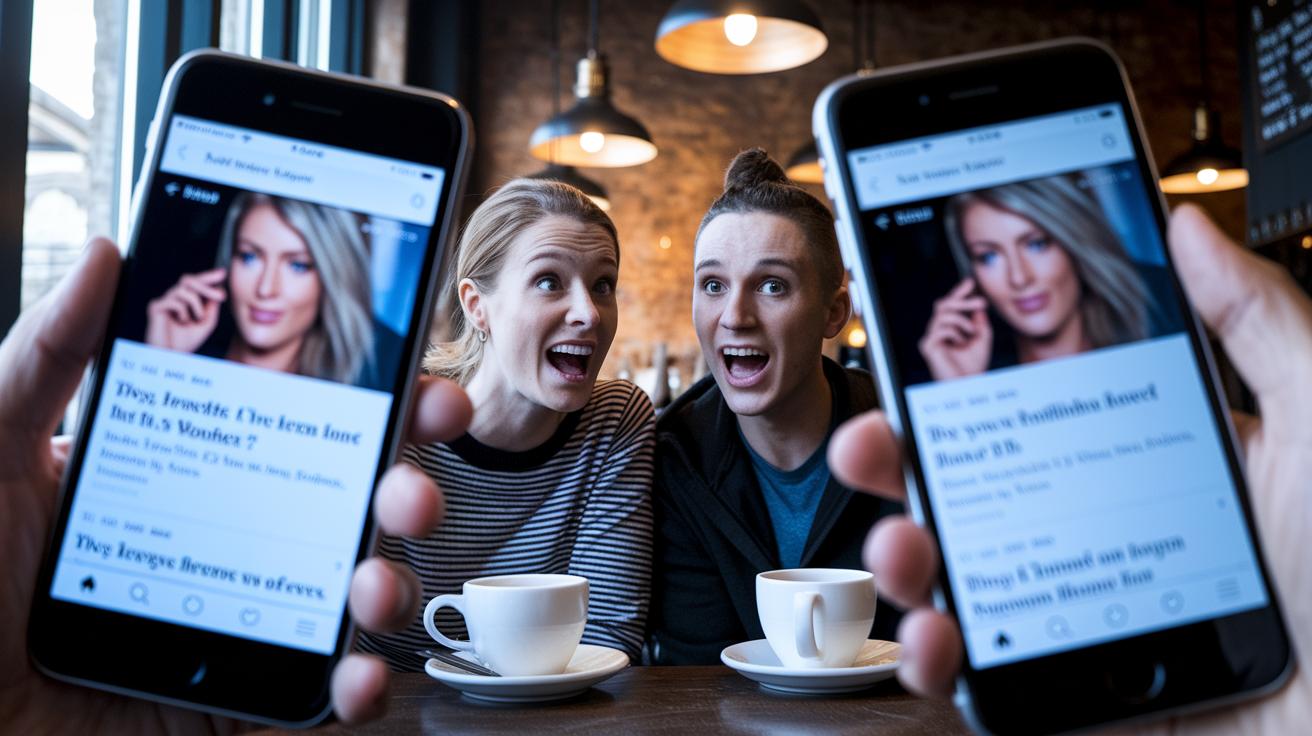
Fans come together with a shared love for celebrity stories that shape who they are. In these tight circles, every whispered rumor and headline feels like a special badge of belonging. This insider vibe turns casual onlookers into devoted fans who cherish even the tiniest details about their favorite stars.
Social pressure gently nudges fans to join the trend. When everyone in the group is buzzing about a particular piece of gossip, even those on the sidelines feel the need to chime in. It’s hard not to join in when the whole group is excited, and soon individual thoughts blend into one big chorus of enthusiasm.
Within these fan communities, repeated stories create a strong shared belief. Each time a post is shared or a comment added, it builds a picture of what’s true about a celebrity’s life. This combined energy not only backs the group’s narrative but also keeps the gossip rolling, painting a unified image of the glamorous world of celebrities.
Impacts of Celebrity Gossip on Reputation and Self-Esteem
Celebrity rumors can quickly change how a star is seen. A tiny piece of gossip might damage a reputation built over years, making it tougher for a celebrity to get new roles or endorsements. Still, if handled well, even a rumor can give a celebrity a chance to rebuild their image.
For many fans, seeing scandal after scandal makes them compare themselves to these over-the-top stories. When headlines highlight every mistake or controversy, people might start feeling like their own lives don't measure up. This often leads to a drop in self-esteem as they judge their personal choices against these unrealistic images.
Celebrities usually fight back by using smart reputation management moves. They might chat with fans directly, share uplifting personal stories, or reveal bits of their life to set the record straight.
Final Words
In the action, we unraveled what makes celebrity chatter so irresistible, from its roots in escapism and self-reflection to how social media magnifies every headline.
We explored cognitive biases and group dynamics that keep audiences hooked, along with the impact of tabloid tales on reputations and self-esteem.
This deep dive shines a light on the psychology behind celebrity gossip, leaving us with newfound insights and a sense of optimism about the positive side of our shared cultural experiences.
FAQ
What is the psychology behind celebrity gossip and why are stories about celebrities popular?
The psychology behind celebrity gossip shows that people enjoy a peek into glamorous lifestyles and lavish events, using excitement and self-reflection to feel connected while escaping everyday routines.
What is the psychology behind people who gossip?
The psychology behind people who gossip reveals a need for social connection and self-comparison, as casual chatter allows them to bond with others while relishing intriguing details about personal lives.
What is the celebrity syndrome and how does it reflect celebrity obsession?
The celebrity syndrome describes a strong fixation where individuals idealize famous figures as symbols of success and beauty, influencing their self-image and driving an intense, sometimes unhealthy, admiration for stars.