


Ever wonder why some movie lines just stick with you like your favorite song? Classic dialogue isn’t just about words, it’s the heartbeat of unforgettable scenes. Each line bursts with raw emotion, lighting up the moment like stage lights on the red carpet.
Think of it like that perfect spark at a big event, where a few well-chosen words can make every character come alive. It’s incredible how a short sentence can change the whole game in cinema, turning a simple moment into something truly magical.
How Classic Star Dialogues Shape Film Moments
Classic star dialogues are the secret sauce of film, packing bold emotion and unforgettable storytelling into just a few words. Imagine the energy in Reservoir Dogs and Pulp Fiction when Samuel L. Jackson fires off, "Say 'what' again… I double-dare you." That rapid, razor-sharp line turns any cramped space into a tension-filled scene that sticks with you long after it ends.
Think about Alec Baldwin in Glengarry Glen Ross, whose simple line, "Coffee’s for closers only," instantly changes the game in an office setting, creating a fierce, high-pressure world with just a few memorable words. And then there's Robin Williams in Good Will Hunting, whose reflective remark, "Unless you want to talk about you… Then I’m fascinated," not only shifts the focus inward but also invites you to feel every bit of that inner struggle. Meanwhile, in Fargo, Frances McDormand's wry comment, "There’s more to life than a little money," blends sharp humor with a touch of wisdom, challenging what you expect from a character.
And let’s not forget those iconic, understated moments, like Yoda's gentle affirmations in Return of the Jedi, or the precision of Rosamund Pike’s performance in I Care A Lot at that perfect minute 37. Each of these exchanges uses dialogue not just to narrate a scene but to elevate the entire cinematic experience, leaving a mark on film history that feels as timeless as your favorite backstage scoop.
Analyzing Tension in Pulp Fiction and Glengarry Glen Ross Star Dialogues
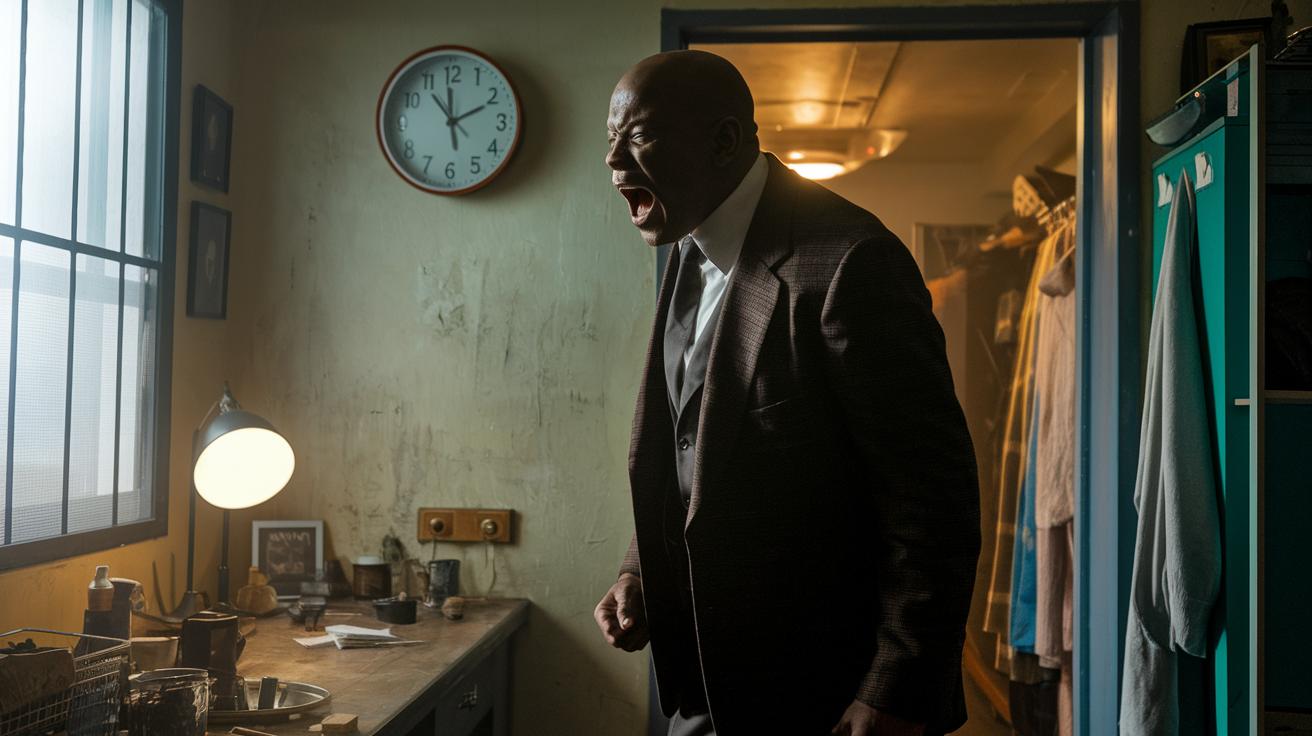
In the wild world of Pulp Fiction, Samuel L. Jackson takes a tiny apartment and turns it into a boiling pot of tension. With every word of that iconic "Say 'what' again…", he speeds up his delivery, transforming an ordinary space into a fierce battle of dialogue. His careful pauses and rising tone make you feel the danger building up, like a storm of anger and defiance. Fun fact: before his performance became legendary, Jackson polished his style through years of theater training, making every word pack a punch.
Jackson’s voice is a crash course in perfect timing and tone. His delivery swings between anger and a hint of amusement, capturing the wild, unpredictable vibe of the moment. Each repeat isn’t just about echoing lines, it’s about showing the character’s inner struggle and cranking up the tension. It’s a great example of how a famous line can grab you right in the feels, making you lean in to catch every little inflection.
Switch over to Glengarry Glen Ross, and you’ll catch Alec Baldwin’s famous line, "Coffee’s for closers only." With a crisp, commanding energy, this single sentence turns a normal office into a high-stakes battleground. In that straightforward setting, every word becomes a power move, slicing right through the usual hum of corporate life.
Baldwin works his persuasion magic with every clipped word, leaving a lasting impact on his audience. His brisk style, loaded with authority, blends dramatic flair with the raw tension of modern business battles. This knack for turning everyday dialogue into a pop culture catchphrase shows just how powerful a well-delivered line can be.
Classic Star Dialogues: Introspection and Impact
Good Will Hunting and Fargo show us a deep look into our hearts without getting too complicated. In Good Will Hunting, Robin Williams delivers a famous line, "Unless you want to talk about you…", that slices right through our defenses with bold honesty. Picture this: his quiet pause feels like the calm before a breakthrough, nudging both the character and us to face our hidden battles.
And then, in Fargo, Marge Gunderson reminds us, "There's more to life than a little money." Her simple words drift like a soft echo on a cool day, gently urging us to celebrate life's quiet, meaningful moments.
Comparative Overview of Vintage Star Dialogue Scenes

We’re taking a closer look at how the director's unique style and the actors' special touches breathe fresh life into classic dialogue scenes. Instead of simply repeating memorable quotes, we’re revealing how each filmmaker’s approach transforms these moments into something truly captivating.
Below is a table that gives you an inside look at how each film’s blend of directorial flair and performance energy sets it apart.
| Film | Year | Directorial & Script Nuance | Actor Delivery & Audience Reception |
|---|---|---|---|
| Pulp Fiction | 1994 | Tarantino’s clever pacing and layered dialogue create a mix of tension and irony with captivating pauses. | The actors deliver their lines with a cool, casual menace that completely changed audience expectations. |
| Glengarry Glen Ross | 1992 | The film’s stark visuals and meticulous framing enhance the script’s razor-sharp edge. | The cast’s clipped, commanding delivery amps up the sense of urgency throughout the scene. |
| Good Will Hunting | 1997 | The mix of intimate settings and ambient backdrops highlights the inner conflict of the characters. | Performances blend vulnerability with defiant energy, striking a rich emotional chord with viewers. |
| Fargo | 1996 | An offbeat blend of quirky humor and clear moral cues grounds the dialogue in realism. | The varied yet calm delivery of lines makes the speech resonate, balancing humor and depth. |
| Return of the Jedi | 1983 | The deliberate pacing and mythic storytelling craft a legendary atmosphere that draws you in. | A combination of warmth and layered mysticism in the acting reinforces the film’s iconic appeal. |
Each detail brings a unique twist to these well-loved scenes, much like uncovering a behind-the-scenes secret at a glamorous event. Whether you’re revisiting these classics or watching them for the first time, these insights invite you to see them in a whole new light.
Behind-The-Scenes Analysis of Star Dialogue in I Care A Lot
At minute 37 in I Care A Lot, Rosamund Pike brings her A-game. Her calm, measured voice and thoughtful pauses turn what could be standard dialogue into a moment you just can’t look away from. And here’s a fun fact: before filming, she practiced every single word until every pause and tone was just right, really spotlighting her character’s sneaky charm.
The magic isn’t just in her performance, smart directorial choices boost the scene big time. Clever editing and well-planned camera shots all work together with Pike’s delivery to build up the tension. Unofficial transcripts even hint that every word was chosen on purpose. It’s clear from the production notes that perfect timing was key in syncing the dialogue with the visuals.
All in all, blending sharp directing, detailed script work, and Pike’s standout acting turns a simple exchange into a dynamic conversation. Each pause, each little shift in the camera, layers on more meaning, making the scene hit you right in the feels.
Final Words
In the action, we explored how classic star dialogues shape film moments, from nail-biting exchanges in crime thrillers to reflective moments that tug at the heart. The blog took us through signature lines that have defined scenes, dissecting tone, delivery, and behind-the-scenes insights. Each section broke down scenes with relatable observations and vivid details. Ultimately, breaking down classic moments in star dialogues brings us closer to the magic behind the screen, leaving us with a renewed sense of wonder and excitement for what cinema has to offer.
FAQ
How are classic moments in star dialogues broken down in scripts and online discussions?
Breaking down these moments means examining the context, delivery, and impact of star dialogues. It shows how key lines from films like Pulp Fiction and Glengarry Glen Ross shape viewer perception.
What are Star Trek monologues and what role does the opening monologue by Captain Kirk play?
Star Trek monologues feature impactful speeches that set the show’s tone. Captain Kirk’s opening monologue instantly grabs attention and establishes the adventure and mystery of space exploration.
What is the most famous dialogue in movies?
Famous movie dialogue often includes lines that shape pop culture, such as those from Pulp Fiction and Glengarry Glen Ross, which have left a lasting mark on film history and audience memories.
What defines a dialogue scene in films?
A dialogue scene is an on-screen conversation that reveals character traits, builds tension, and advances the plot, enriching the overall movie experience for audiences.
Which film is noted for having the best dialogue?
Films like Pulp Fiction, Glengarry Glen Ross, Good Will Hunting, and Fargo are celebrated for their memorable dialogue, offering sharp, impactful exchanges that continue to inspire cinematic storytelling.