


Ever wondered if our need for the latest scandal overshadows a star's right to a little peace and quiet?
In today's dazzling world of headlines, every secret seems to fuel fierce debates. And honestly, when even a simple dinner or stroll becomes a public event, you can't help but ask: what’s the real price of our curiosity?
This post dives into that very tug-of-war, exploring if our love for breaking news should ever come at the cost of a celebrity's private life.
Stay tuned as we uncover the delicate balance between adoration and the respect every person deserves.
Defining the balance: Celebrity privacy vs public interest debate
In the dazzling world of celebrity news, a heated debate lingers: how much of a star’s personal life should we be allowed to peek into? Picture this, you head out for a quiet dinner and suddenly feel like every step is being watched by hidden cameras. That’s the modern tug-of-war between protecting personal space and feeding the public’s endless curiosity.
On one side, privacy rights are our safety net. They guard a person’s private life, ensuring they can enjoy moments away from the glare of the spotlight. On the other, freedom of expression fuels the media’s drive to share the details that the public believes it deserves. And yes, while celebrities are the talk of the town, their personal lives often become a boardroom of endless debate over what’s newsworthy and what just shouldn’t be pried into.
Critics argue that even if the media’s duty is to inform us, it shouldn’t trample over an individual’s well-being or dignity. They remind us that being in the public eye shouldn’t mean a constant loss of privacy. In other words, as the press races to capture every juicy detail, we must ask: is the price of personal security and emotional health sometimes just too high?
Evolution of celebrity privacy vs public interest in media history
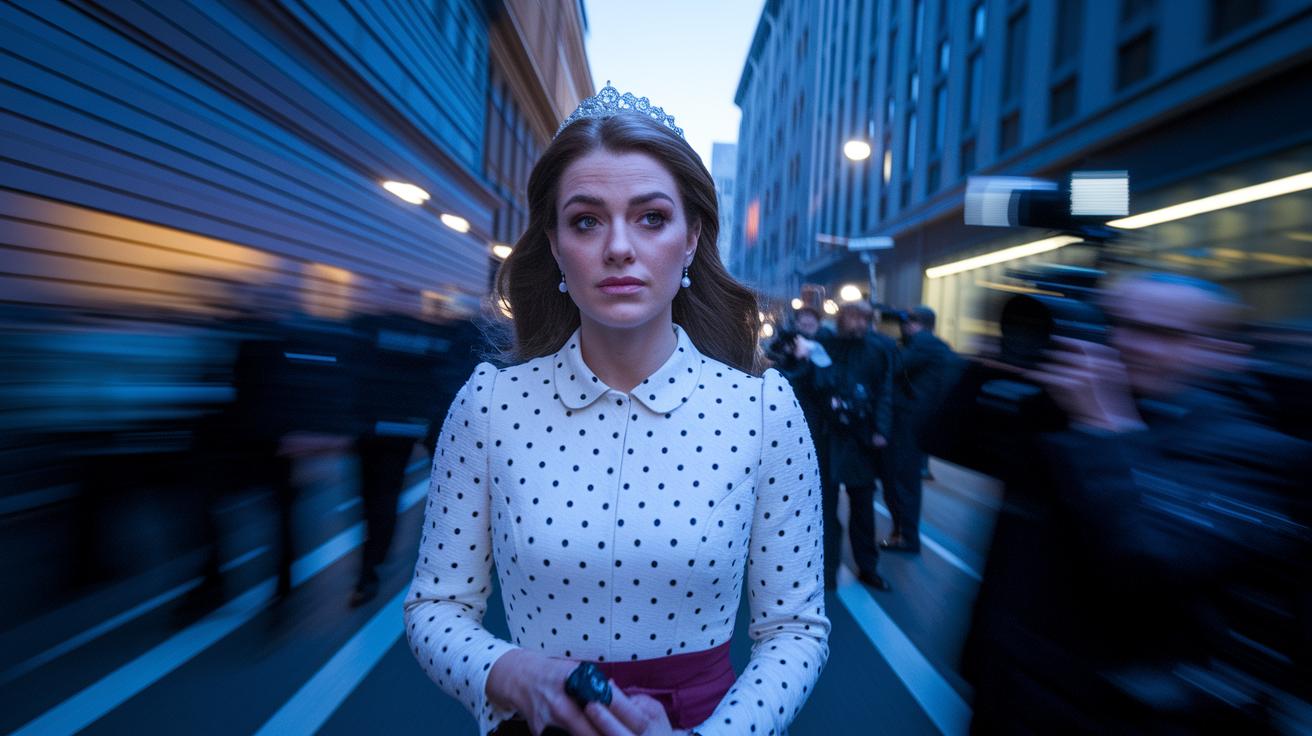
Back in 1997, Princess Diana faced a heartbreaking ordeal when relentless paparazzi turned her private tragedy into a global spectacle. The fast-paced chase not only put her in harm's way, but it also sparked a big debate about how far media should go when covering someone’s personal life.
British tabloids were especially hit with criticism as their methods were seen as turning national sorrow into a flashy news story. Many argued that even famous people deserve a safe space away from invasive practices that risk their dignity and safety. It really opened up discussions on where we should draw the line between honest reporting and stepping into someone's private world.
Then, on February 7, 2012, landmark decisions by the European Court of Human Rights set a new legal tone. These rulings balanced privacy rights (Article 8) with free speech (Article 10), making media outlets rethink how they cover stories. For more on these changes, check out celebrity legal news. These rulings have since helped shape clearer guidelines for the press, ensuring that while journalists keep us informed, they also respect personal boundaries.
Media intrusion and paparazzi impact in celebrity privacy vs public interest
In today's whirlwind of celebrity news, the boundary between what fans get to see and a star's need for privacy is getting blurry. Every day, invasive tactics from the paparazzi push past healthy limits, making celebrities feel like they’re always on display. It's a bit like being stuck on a never-ending red carpet, where even a private moment turns into front-page news.
Consider some of the tactics used to capture these snaps:
| Tactic | Description |
|---|---|
| High-speed vehicle chases | Fast and dangerous pursuits that put lives at risk |
| Long-stakeout surveillance | Hours spent watching and waiting to catch an intimate moment |
| Unauthorized photo leaks | Images released without consent, sharing private moments publicly |
| Clickbait sensational headlines | Over-the-top titles that exaggerate the story to grab attention |
| Social-media hacking | Breaking into personal accounts for private photos and information |
| Persistent cyberstalking | Constant online tracking and misuse of personal data |
Celebrities are now taking charge, using extra security, media training, and legal help to protect themselves. Just look at what’s happening with stars like BamBam, whose life is upended by unfounded dating rumors. These tactics aren’t just harmless fun, they can really hurt a person’s mental well-being.
Media outlets are feeling the pressure too. With public sentiment shifting, there's a growing call for more responsible coverage. As the industry begins to rethink its methods, there’s hope that a gentler balance can be struck between public interest and personal privacy. It’s a real backstage transformation, aiming to give everyone a fair shot at enjoying life without constant intrusion.
Ethical frameworks for celebrity privacy vs public interest decisions

In the celebrity gossip world, there’s a set of ethical rules that shape how stories are told. Newsrooms often follow harm-based journalism codes while sticking to strict rules about getting permission and being open about their sources. These standards are designed to protect personal dignity while still giving fans a peek into the lives of the famous.
It's all about striking a balance between caring for individuals and serving up headlines that catch your eye. This fine line often sparks debates on whether to empower audiences with truth or to step over into exploitation. Below is a table showing four key ethical points that guide these decisions, highlighting the need to guard private details while keeping the public in the loop.
| Ethical Consideration | Privacy Aspect | Public Interest Aspect |
|---|---|---|
| Duty of Care | Keeps a close eye on protecting emotional and physical well-being | Makes sure fans get important and fair news |
| Harm Minimization | Tries to cut down on over-the-top and intrusive reporting | Helps spark smart debates without hurting someone’s dignity |
| Consent Protocols | Makes sure permission is given before sharing private details | Shows that fans have a right to know through clear and honest sources |
| Editorial Accountability | Keeps media in check when they share stories | Pushes for fair reporting that respects our natural curiosity |
Legal protections in celebrity privacy vs public interest controversies
Celebrities always find themselves in tug-of-war between keeping their private lives secret and dealing with nonstop media probing. Back on February 7, 2012, a big ruling from the European Court of Human Rights clarified that a person’s privacy (Article 8) must be balanced against free speech (Article 10). This decision not only broke new ground in past legal cases but also still shapes how the media behaves today.
Since then, more legal battles have given stars options like court injunctions and even cash settlements when intrusive stories cross the line. One notable case even saw a celebrity win a handsome sum after a tabloid crossed the line and went too far into their personal life. This set a clear example for future cases.
When these legal tools are used, media outlets are reminded to stay within respectful personal limits. For more detailed outcomes on these cases, check out celebrity legal news.
In-depth case studies: celebrity privacy vs public interest in practice

Princess Diana: paparazzi chase and policy fallout
We’ve talked about this one before when diving into how media has changed and how paparazzi work. If you want to dig into the heated legal talks and policy changes that followed, check out the earlier deep dive.
BamBam: rumor culture and well-being
BamBam’s run-in with wild dating rumors really took a toll on his personal life. Earlier sections explore how these persistent media speculations have not only shaped his public image but also affected his mental well-being.
Sulli and Goo Hara: fatal outcomes of cyberbullying
In South Korea, the heartbreaking cases of Sulli and Goo Hara remind us just how dangerous relentless online harassment can be. These stories show that the constant barrage of social media comments and digital scrutiny can overwhelm even the brightest stars. For instance, Sulli was celebrated for her talent before the flood of harsh, unanticipated criticism completely took its toll.
These tragic events have sparked fresh debates about why we need strong protections against cyberbullying and tougher rules in the media, ensuring everyone’s dignity is respected even when under the spotlight.
Future outlook: Celebrity privacy vs public interest in the digital age
Technology is racing ahead, and it’s throwing some wild challenges our way. Celebrities now face nonstop exposure online, making it tricky to keep personal stuff under wraps. Social media and breaking news blasts each detail into center stage, and as sensational stories spread like wildfire, the struggle for privacy only gets tougher.
Meanwhile, regulators are stepping into the limelight. There’s a real buzz around tougher laws and clear rules to guard personal data online. We might soon see fresh digital privacy guidelines paired with smart content checks powered by AI. Plus, communities are really picking up on media literacy, making a stand for better online behavior.
Looking ahead, big changes are afoot. We’re on the brink of stricter rules and smarter ways to balance free speech with the right to privacy. Imagine AI tools shoring up defenses against nasty content while letting real stories shine through. News outlets might even take charge themselves, setting ethical standards that reduce prying into private lives. This combined effort could rebuild public trust, where the sparkle of technology meets strong, respectful ethics.
Final Words
In the action, we broke down the fight between a celeb’s right to privacy and the public’s hunger for details. We reviewed high-profile cases, media tactics, legal battles, and ethical choices that shape news today. Each section shed light on hard truths and emerging trends. This Celebrity privacy vs public interest: A media analysis shows how both corners spark tough debates and inspire change. We end feeling optimistic about a future where respect and transparency lead the way for fair celeb news.