
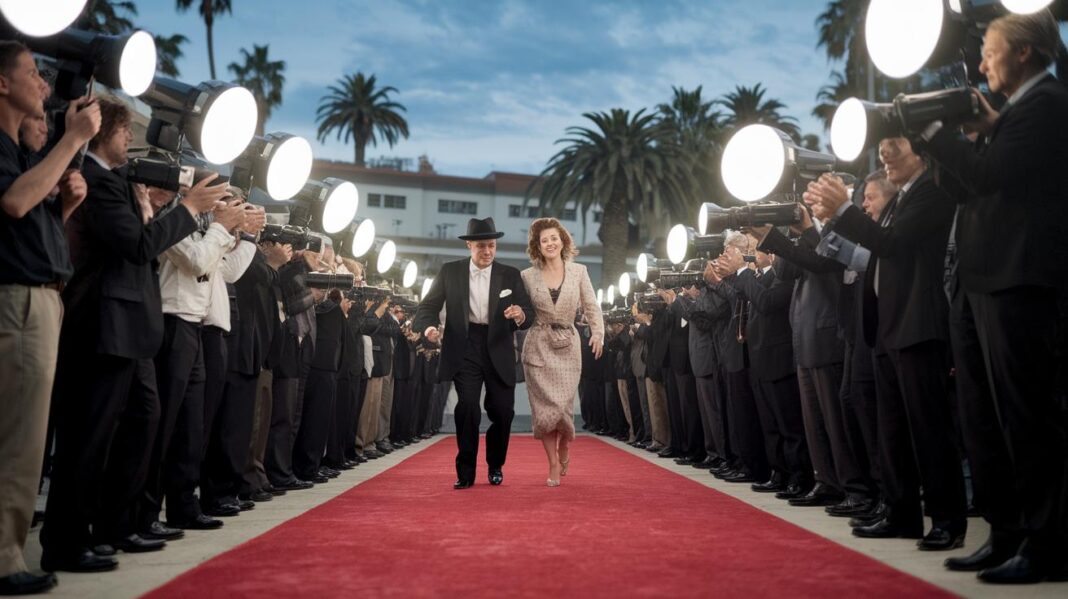

Have you ever wondered if the glimmer of Hollywood dims when every private moment is snapped on camera? It all began with paparazzi casually catching stars in their most authentic moments. Over time, those simple snaps evolved into a wild chase that started pushing privacy boundaries and completely changed what fame looks like. From the charming, candid looks of the 1950s to today's buzzing digital era, the transformation is both bold and glamorous. In this article, we take you behind the scenes to see how the art of paparazzi has evolved, blending creative storytelling with that relentless search for the truth.
Evolution of paparazzi culture in Hollywood: Glamorous Shift
Hollywood’s photo story started as a charming snapshot of real moments. In the 1950s, talented photographers snapped stars in their natural, off-camera moments, inviting everyone to peek into the lives of our favorite celebrities. It was like catching a glimpse of the magic behind the curtain.
By the 1960s, everything changed. Federico Fellini’s La Dolce Vita lit up screens with a fresh, sparkling style while Italian photographer Tazio Secchiaroli turned everyday candid shots into art. Suddenly, the word "paparazzi" became the buzzword for chasing those unscripted, irresistible moments, blending the thrill of scandal with the allure of Hollywood.
The fun and frenzy only amped up during the 1970s and 1980s. Tabloids ran wild with bold headlines and sneaky snapshots, sparking heated talks about privacy. Cheeky ambushes captured stars at their most natural, and soon debates about what was okay and what wasn’t started to fly.
Fast forward to the 2000s, and the scene got even more intense. Photographers pushed boundaries with a serious chase, sometimes even zooming in on the families of celebrities. This era raised big questions about how much privacy is too much.
Then in the 2010s, social media and digital platforms shifted the spotlight. With instant sharing, stars could now share images on their own terms, taking back some control over their stories and softening the paparazzi’s grip on their lives.
| Year/Decade | Key Development | Impact on Privacy | Media Practice |
|---|---|---|---|
| 1950s | Candid snapshots kick off a new style of photography | Set the stage for privacy concerns | Ambush photography on studio sets |
| 1960s | The word “paparazzi” is born, fueled by films and artful shots | Increased display of private moments | Persistent celebrity chases |
| 1970s–80s | Tabloid frenzy highlights scandal and bold snaps | Privacy got pushed to its limits | Sneaky tactics at personal events |
| 2000s | Heightened harassment claims challenge limits | Debates over family privacy arise | Aggressive chase techniques |
| 2010s | Social media revolutionizes image sharing | Stars gain control over their stories | Live digital sharing replaces old norms |
This timeline tells the sparkling story of a culture that grew from simple, heartfelt snapshots into a bold, sometimes controversial spotlight on celebrity lives. It’s a glamorous ride, mixing art with the constant buzz of chasing a perfect shot.
Early Beginnings of Paparazzi in Hollywood
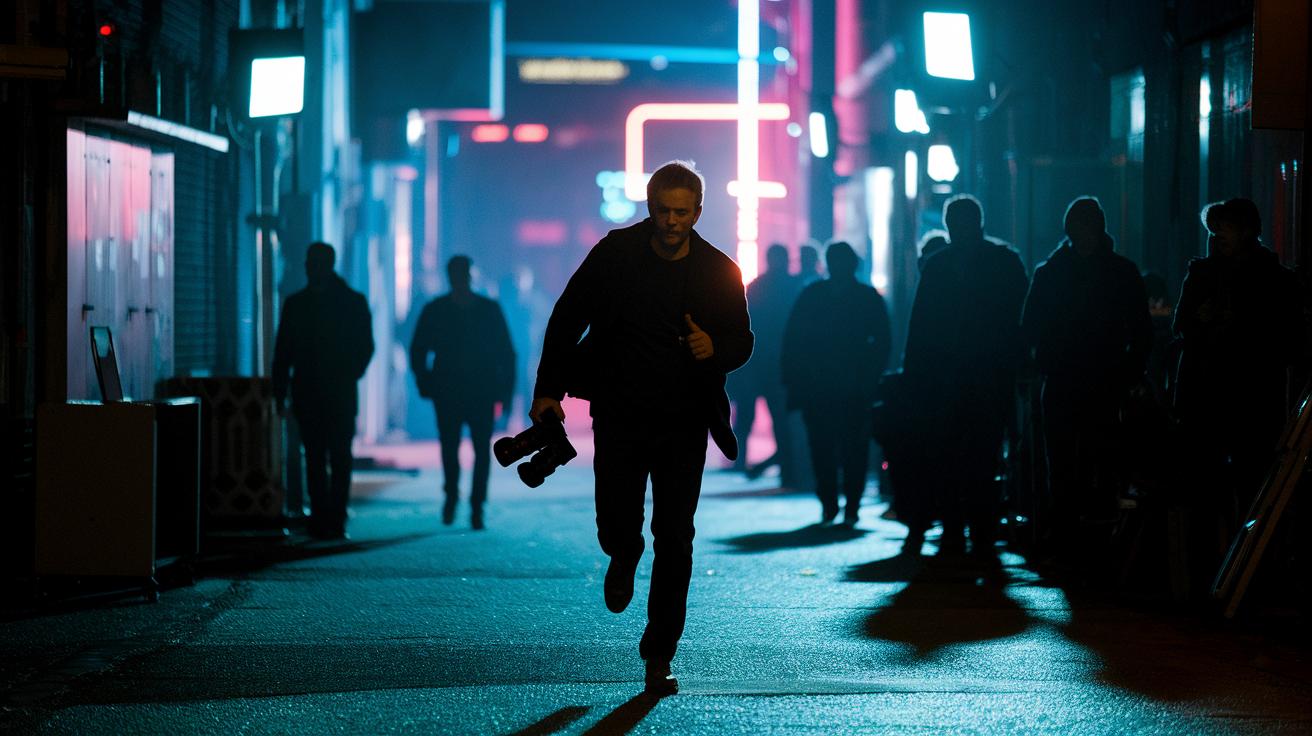
Most of us have heard the classic stories of Tazio Secchiaroli and Fellini’s La Dolce Vita, but there’s another side to this tale that shows how early paparazzi reshaped celebrity images. Some daring photographers even risked tricky situations by swapping insider secrets with studio security in exchange for tips about the hottest set locations. This secret backchannel blurred the lines between professional duty and impromptu snapshots, forever changing how stars balanced their public image with private lives.
Imagine a photographer, cameras in hand, dashing outside a locked set during a wild moment, all while almost losing his prized camera in the chaos. That mix of high stakes and unexpected drama felt as unpredictable as a backstage rush at a red carpet event.
These early moves sparked heated debates about privacy that still echo today. Candid photography became more than just photos; it became a vivid reflection of shifting attitudes toward celebrity and the way we all navigate personal space in the limelight.
Rise of Tabloid Press and Invasive Paparazzi Tactics in Hollywood
Back in the 1970s and 1980s, tabloids weren’t shy about splashing scandalous headlines all over the news. They pushed paparazzi to use tactics that felt more like a movie chase than real life. Photographers would hide around corners and camp out overnight, all for that once-in-a-lifetime shot, even if it meant crossing the line into harassment.
It was a time when the chase for an exclusive picture turned into a wild, high-stakes game. Stars found themselves facing unwanted attention outside their private worlds. The flash of cameras and the scramble for that candid moment created more drama than ever, sparking heated debates about media ethics that still echo today.
Here are some of the invasive tactics that defined that era:
- Overnight stakeouts right outside private homes
- Long lenses used to capture celebrities hanging out in public parks
- Intense pressure during car exits at big events
- Undercover photographers posing as enthusiastic fans or even staff
- Crowds pushing in aggressively at restaurant entrances
For a deeper dive into how these scandalous methods shaped media ethics, check out these insider guides:
https://imjustdandy.com?p=1537 and https://imjustdandy.com?p=1473.
Legal Battles and Ethical Journalism Dilemmas in Hollywood Paparazzi Culture
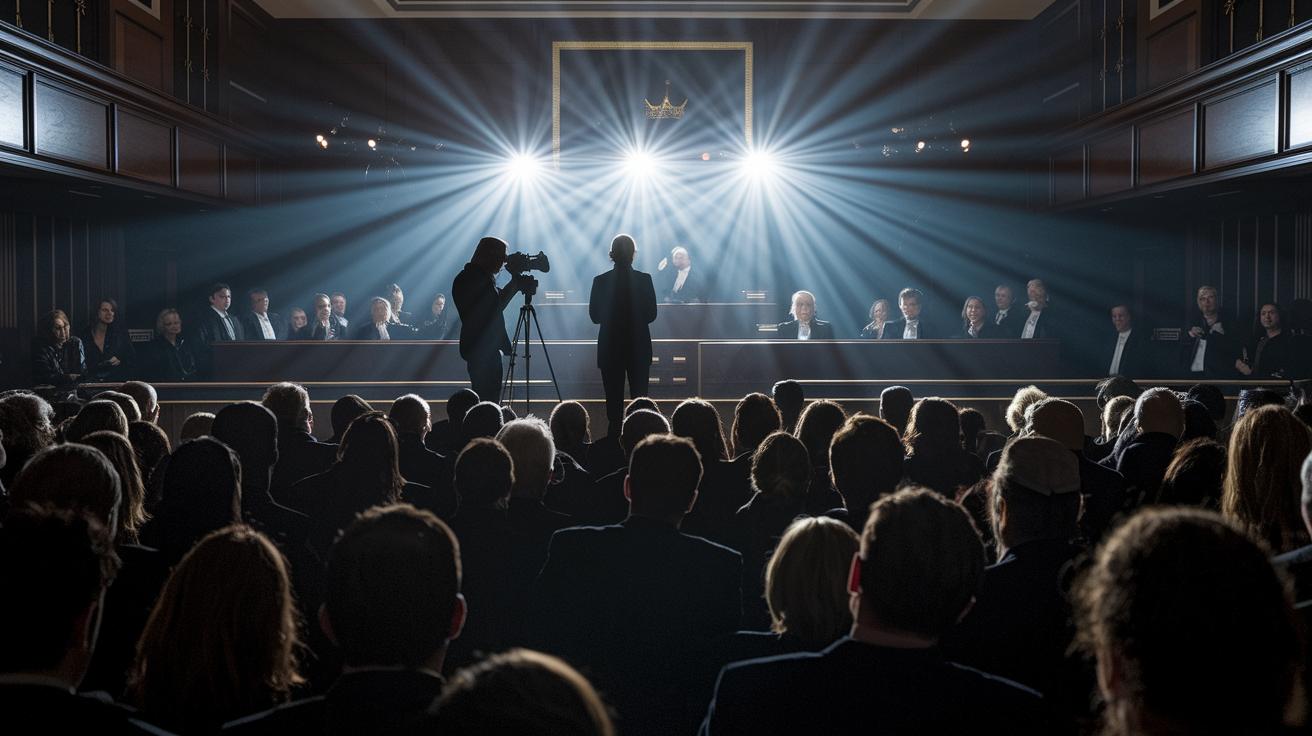
Ever wondered why the paparazzi sometimes seem to be pushing every single boundary? Since the 1990s, celebs and lawmakers have had enough and decided to take matters into their own hands. They’ve stepped into courtrooms to challenge those intrusive snaps, trying to snag clearer legal lines that protect personal moments. Big names like Angelina Jolie in 2001 and Britney Spears in 2009 lit up the headlines with their legal moves, sparking debates about whether our current laws really cover us when the flash goes off.
Critics say our legal rules just aren’t keeping up with an industry obsessed with catching private moments. This ongoing drama pits freedom of the press against the need for privacy. And honestly, these courtroom showdowns have given us a front-row seat to see just how far some photographers will go, even if it means crossing that fine, ethical line.
| Case | Year | Significance |
|---|---|---|
| Entertainment v. Secchiaroli | 1963 | Set an early international precedent |
| Jolie v. National Enquirer | 2001 | Challenged unauthorized paparazzi photos |
| Spears v. Star Magazine | 2009 | Ruled on privacy infringement, awarding damages |
Digital Imaging Revolution and Social Media Lens Effects on Hollywood’s Paparazzi Evolution
During the 2010s, digital imaging completely changed the paparazzi scene. Fans, influencers, and even celebs started snapping their own moments with smartphones, turning every social media post into a mini news break. It was all about catching the instant vibe, and suddenly, paparazzi had to share the spotlight with everyday people posting quick selfies or behind-the-scenes shots.
Instagram and Twitter quickly became the go-to spots for stars who wanted to share their real lives without waiting for a professional photographer. Think of a celeb tweeting a funny moment from a private set, it’s like getting a personal backstage pass. This real-time sharing lets them steer their own story without the usual media filters.
Live video streams then stepped in and changed everything, shaking up old photojournalism rules. Where studio shoots once ruled, brands and celebrities now joined forces to mix candid moments with a little bit of sponsored flair. It’s as exciting as watching a red carpet event unfold live, without any cuts.
And let’s not forget the magic of mobile editing tools. With just a tap, anyone can smooth out or hide parts of a photo, making each snapshot not just about the image, but about the honest, split-second moment it captured.
Celebrity Responses and Reputation Repair Challenges Amid Changing Paparazzi Culture
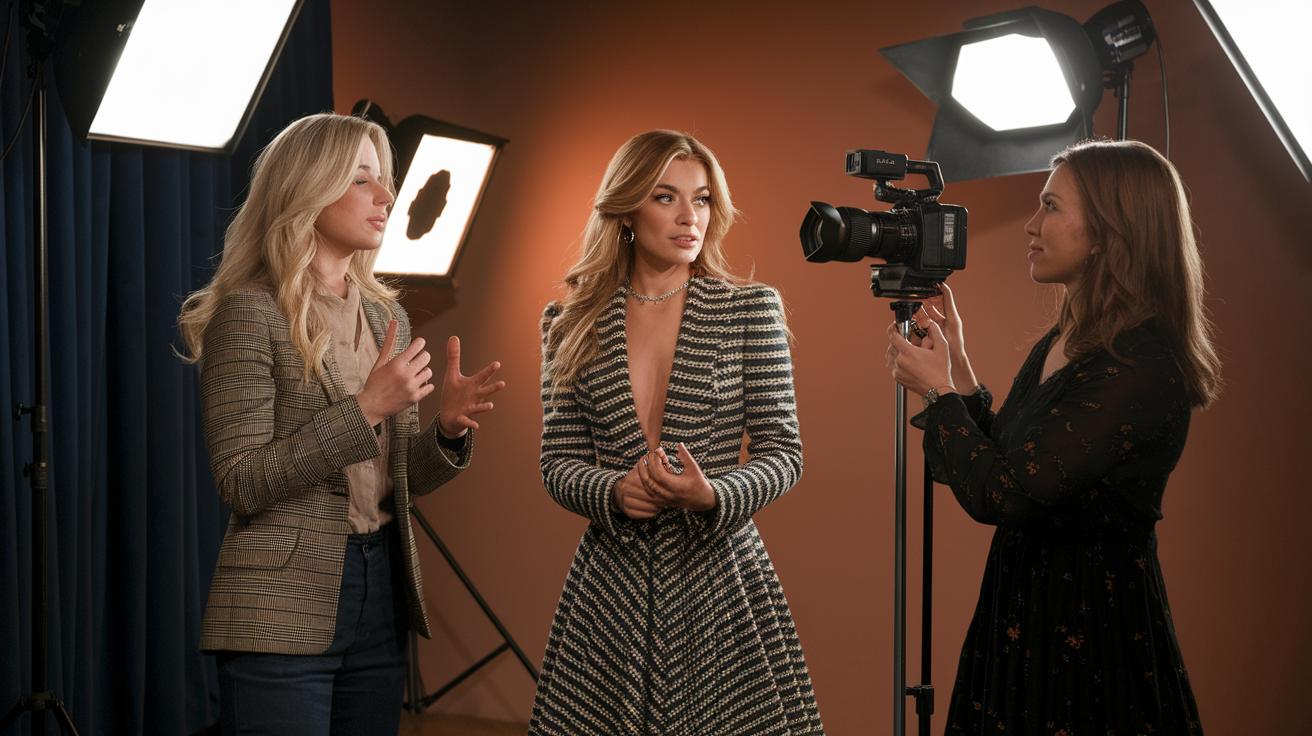
Paparazzi have a knack for squeezing into every corner of a celebrity's life, and our A-listers are now taking control of the script. They share warm public messages and even grab legal help to stop the unwanted press. It's like they're whispering to the world, "Our privacy matters," while showing us how to set clear personal boundaries.
Behind the scenes, dedicated publicists work hard to fix any shaky images. Think of a carefully planned photo shoot that sways attention from scandalous snaps to a polished look. Their work isn't just about clever distraction, it really helps reshape what the public sees. Studies even suggest that constant intrusive photos can really affect a star’s well-being.
Some famous faces have gone further by making exclusive photo deals. By picking which images to share, they keep a bit of mystery alive and balance the bright spotlight with some peaceful privacy. On movie sets and at events, face-offs with press crews show that the battle for privacy is an ongoing, high-stakes game.
Every careful move in this drama under the flashing lights shows a heartfelt commitment to keeping their dignity intact, even when the cameras are always on.
Future Outlook: Adapting to Modern Boundaries in Hollywood Paparazzi Coverage
Technology and fresh audience attitudes are shaking up how paparazzi work in Hollywood. Experts now say we’ll soon see special zones for photographers and new privacy laws that act like a buffer. And guess what? Cool tech like AI blur filters and automated consent checks might soon keep unwanted photos in check. These changes look set to give celebs a soft shield from prying lenses while still keeping us on the edge of our seats with breaking news.
Meanwhile, industry groups are cooking up certification programs to curb overly pushy tactics and keep a closer eye on media behavior. Fans and stars alike are cheering for a more respectful kind of storytelling, one that values privacy without dousing the excitement of celeb buzz. It’s like blending high-tech with smart rules to create a safe space for everyone. In a nutshell, we’re on the brink of a new era in reporting that mixes creative flair with genuine respect for personal boundaries.
Final Words
in the action, this article walked through the vibrant timeline of paparazzi antics, from the candid snapshots of early Hollywood to today's digital photo frenzy. We witnessed key moments like risk-taking tactics during scandalous tabloids and landmark legal battles that reshaped privacy rights.
The discussion on the Evolution of paparazzi culture in Hollywood shows a fascinating shift in media practices and public perceptions. The future shines bright as new tech and fresh ideas promise more respectful and spirited coverage.
FAQ
How has paparazzi culture evolved?
Paparazzi culture evolved from candid celebrity snapshots in the 1950s to a relentless chase during Hollywood’s golden age. Digital media later shifted their methods, redefining celebrity privacy and public exposure.
How do paparazzi locate celebrities?
Paparazzi locate celebrities by tracking public events, appearances, and tips from insiders. Their techniques have grown more tech-savvy, mirroring the fast-paced world of celebrity news.
How do paparazzi earn income?
Paparazzi earn income by selling exclusive images to tabloids and media outlets. Their earnings per photo vary widely, and monthly income often depends on exclusive deals and pressing photo opportunities.
When did the paparazzi phenomenon begin?
The paparazzi phenomenon began in the 1950s with casual celebrity snapshots. The term gained popularity after Federico Fellini’s La Dolce Vita, marking the start of an enduring public fascination.
What sparked the paparazzi phenomenon?
The phenomenon sparked when photographers began capturing unscripted, unguarded moments of celebrities. This bold approach met high media demand and transformed into a staple of Hollywood’s media landscape.
When did celebrity culture start to take shape?
Celebrity culture began taking shape in the mid-20th century. Hollywood stars and growing tabloid interest turned private lives into public spectacles, setting the stage for today’s star-studded world.