

Ever thought about how luxe brands went from handwritten invites to dazzling online displays? It’s like watching a secret club transform into a high-tech wonderland. Back in the day, receiving a personal invite felt exclusive, like you were part of a hidden group. Now, interactive campaigns bring together modern tech and classic luxury, sparking unforgettable experiences at every turn. In this post, we take a backstage peek at how those old-school techniques have paved the way for today's captivating strategies.
Timeline of Designer Label Marketing Strategies
This timeline gives you the insider scoop on how designer label marketing has evolved over the years. It all began with a time when brands managed every detail by hand and has now transformed into a digital playground that blends art with modern tech.
Back in the pre-digital era (1900s–1980s), luxury brands turned to glossy print ads, personal direct mail, and exclusive trunk shows to captivate a select audience. Imagine receiving a special invitation to a private trunk show where every detail whispered exclusivity and expert craftsmanship. These elegant touches set the stage for a marketing style built on rarity and artisanal storytelling.
Then came the early digital days (1990s–2000s), when designers stepped into the online spotlight. Brands started creating websites that felt like your favorite virtual boutique, bursting with dynamic visuals and personalized email campaigns. It was a time of playful experimentation, inviting customers to experience a fresh, interactive brand story that was anything but static.
Since the 2010s, the buzz has only grown louder. Social media and immersive pop-ups have turned luxury marketing into a vivid, interactive experience. Now, brands use these modern tools to bring their storied legacy to life, creating moments that feel as dazzling as a red carpet reveal.
Traditional Designer Label Promotional Channels
Designer labels got their start with carefully managed, high-quality media that set the tone for today's polished ads. They focused on forming real connections with a select crowd while paving the way for the interactive campaigns we enjoy now.
These time-honored methods paired gorgeous visuals with a hint of exclusivity, giving a peek into the private world behind each brand. This vibe of rarity and privilege still resonates in today's luxury digital campaigns.
- Glossy print ads in Vogue, Harper’s Bazaar
- Personalized direct-mail invitations to clients
- Trunk shows at upscale boutiques
- Limited-edition product drops (like the famous Birkin bag)
- City-center billboards aimed at luxury hotspots
- VIP-only fashion-week salons
These classic channels delivered a straightforward message that built a strong, curated brand image. They not only set the stage for modern online engagement but also continue to influence luxury storytelling by keeping the experience exclusive and truly unique.
Digital Era Transformation in Designer Label Marketing
Designer labels have jumped into the digital scene, riding a wave of cool consumer data and fresh tech ideas. These brands now use personalized emails and fun, interactive websites to make genuine connections with their fans. Today, advanced platforms let them create tailor-made messages that feel like they were made just for you.
| Platform | Strategy |
|---|---|
| Email Marketing | Personalized messages & smart segmentation |
| Branded Blogs | Engaging storytelling & SEO-friendly content |
| Social Media | Interactive campaigns & user-generated content |
| NFTs & Web3 | One-of-a-kind digital collectibles |
This digital leap has rewritten the rule book for designer label marketing. With technology ever-evolving, brands are now weaving online stories into each interaction, sparking engaging chats on platforms like Instagram and WeChat. Click-and-shop features make buying a breeze, and exclusive projects like Prada’s Timecapsule add a dash of excitement and exclusivity. These innovations not only expand the brand’s reach but also drive deeper interactions by combining eye-catching visuals with smart data insights. As traditional methods make way for digital dynamism, brands can quickly adjust to the latest trends. This fresh approach transforms onlookers into active participants, turning each campaign into a lively conversation that builds loyalty and sparks future growth.
Influencer and Celebrity Collaborations in Designer Label Marketing
Designer labels used to count on glossy magazine ads and big-name icons to sell their style. But now, things have totally changed. Brands are teaming up with digital influencers who speak to audiences in a down-to-earth, spontaneous way.
Recent numbers show the influencer market jumped from an $8 billion playground in 2019 to $15 billion by 2022. That’s a pretty clear signal that budgets are getting a makeover. Big luxury houses like Louis Vuitton are riding this wave by partnering with top celebrities to spark buzz on social media. For instance, Cartier’s campaign with Lily Collins told a real, relatable story that caught everyone’s eye. And then there’s Gucci, their 2024 behind-the-scenes documentary on designer Sabato De Sarno gave fans an exclusive look into the making of magic. These brands are now mixing legendary stars with fresh digital voices to reach a broader, yet perfectly targeted crowd and build deeper connections.
By working with digital influencers, designer labels bring a new, personal vibe that feels as exclusive as it is inviting. This fresh take on storytelling is all about creating that genuine, insider connection with today’s savvy fans.
Experiential and Immersive Designer Label Marketing Campaigns
High fashion takes you behind the scenes with experiential marketing that goes beyond ordinary ads. It lets you feel the brand’s history and elegance pick up right in front of your eyes. You step into a world where every corner tells a story, with a touch as vivid as the shimmer of a red carpet.
Imagine entering an exclusive, interactive gallery where every detail bursts with the craftsmanship of high-end fashion. Pop-up shops transform everyday spaces into playful art exhibits. And with virtual reality showrooms, you’re whisked into a digital boutique where you can explore collections as if you were right there with the designers.
Each event is designed to spark the senses. Vibrant colors, catchy tunes, and interactive displays make the experience feel like a full-body treat rather than just a simple fashion show. And the buzz doesn’t stop there. Fans leave these events feeling connected, sharing their newfound favorites and warm, personal moments with friends.
In truth, these immersive experiences create loyal fans who can’t help but spread the word. Isn’t it amazing when a moment feels both luxurious and personal? That’s the magic of living the brand’s legacy in person.
Data-Driven Personalization in Designer Label Marketing
Designers today use intent data and cutting-edge research tools to guide their smart decision-making. Brands treat market research like an exclusive backstage pass, giving them a true glimpse into what buyers actually crave. They dive into customer chats, survey feedback, and online footprints to craft campaigns that really resonate. Imagine discovering that a particular group of shoppers loves behind-the-scenes blog posts, this kind of insight shapes messages that truly connect.
Next, segmentation and integrated channels team up to build a seamless brand experience. Think about using smart tactics like dynamic retargeting, handpicked user content, and carefully segmented messages so each customer group hears exactly what matters to them. Picture this: one group of fashion lovers gets personalized emails, while another enjoys custom posts on social media. This mix ties together emails, social feeds, and blogs into one smooth strategy. For instance, one campaign might spotlight the timeless grace of an exclusive dress, while another buzzes about a fresh collection launch.
In truth, key performance indicators show that this personalized approach boosts customer satisfaction and engagement. Sales are on the rise and loyalty is growing as luxury brands create experiences that feel made-to-order just for you.
Evolution of designer label marketing strategies shines
Hermes Scarcity Narrative
Hermes has carved out its niche by keeping its Birkin bags elusive and exclusive. Dating back to 1837, the brand makes each bag feel like a rare treasure by limiting production. This tight control creates that special rush of urgency and pride when you own one, much like uncovering a coveted gem at a secret backstage event.
Chanel Legacy Storytelling
Chanel’s journey, which began in 1909, is steeped in a rich heritage thanks to the iconic Coco Chanel. Today, the brand mixes its storied past with fresh, modern touches, often teaming up with museums and cultural hubs to celebrate its legacy. Imagine stepping into a living exhibit where every piece of style tells a captivating story, it's like reliving a glamorous moment on the red carpet.
Patek Philippe Craftsmanship Emphasis
Every Patek Philippe watch is more than just a timekeeper, it’s a labor of love. With some pieces taking up to 800 hours of careful, handcrafted work, each watch emerges as a mini masterpiece filled with history and precision. It’s like having an heirloom that sparkles with the magic of artisanal dedication, making every tick feel special.
In truth, these stories show how rebranding with a nod to tradition can bridge the gap between timeless heritage and modern luxury.
Sustainable Designer Label Marketing Narratives
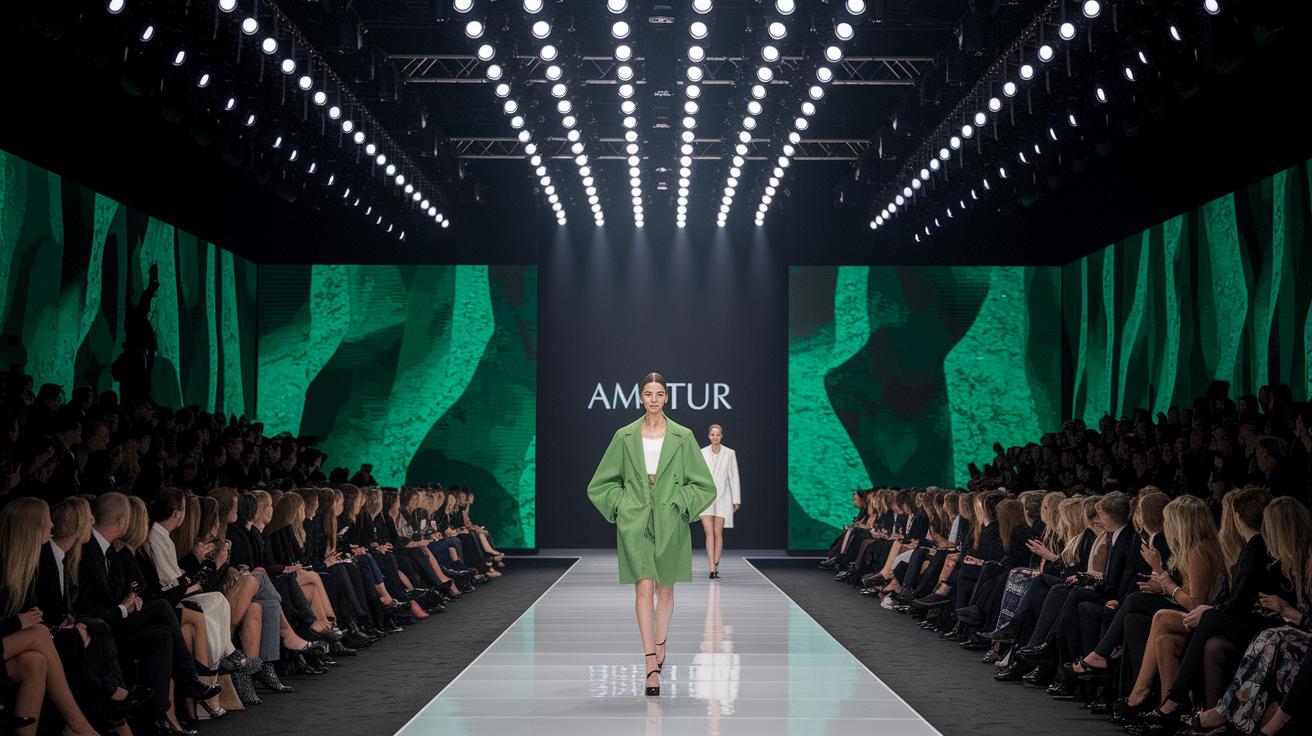
Luxury brands are now blending style with a deep commitment to the earth. Sustainability isn’t just a buzzword, it's the heartbeat of modern luxury. Picture this: campaigns where high fashion meets a genuine care for the planet, much like the shimmer of stage lights on a red carpet event. Brands proudly spotlight their eco-friendly practices, proving that looking good and doing good can go hand in hand.
Take Patagonia, for example. Their "Buy Less, Demand More" campaign turned heads by mixing bold style with smart climate messages. Today, many luxury houses are sharing detailed reports about their green projects and honest eco-innovations, no fluff, just clear facts. This fresh focus on the environment makes these brands feel like a trusted friend to eco-conscious shoppers, building a bridge of trust and loyalty that shines as brightly as any runway look.
Future of Designer Label Marketing: Virtual Showrooms & Beyond
New tech is shaking up how luxury brands connect with you. Designers aren’t just stopping at NFTs, they’re stepping into digital runways in the metaverse that feel just like those exclusive, high-energy fashion shows. With cool AR try-on apps, you can see how a stunning garment might look on you, almost as if you were there in person.
AI chatbots now dish out real-time style advice, making your online shopping feel as personal as a trusted boutique visit. Virtual showrooms recreate the cozy charm of a real store, but with the convenience of browsing from anywhere in the world. It’s like mixing a classic shopping experience with the latest in tech innovations.
Going digital has sparked excitement because it brings better business results and a deeper connection with shoppers. Fashion brands using these new platforms are seeing more visitors who stick around longer for immersive, interactive experiences. And as you explore these stylish digital spaces, you can feel the exclusive service and fresh presentation drawing you nearer in a way that makes your loyalty feel genuine.
This fresh, forward-thinking approach is setting new standards in high fashion, opening up a world where luxury and technology meet in a smooth, futuristic display.
Final Words
In the action, we’ve covered the timeline of designer label marketing strategies from timeless print ads and direct mail to captivating social media bursts and immersive experiences. We saw how each era brought its own charm and tactics behind exclusive red carpet moments and iconic brand narratives.
This article reveals the rich evolution of designer label marketing strategies, showing us creative pivots and memorable brand moments. Embrace this positive outlook as designs continue to dazzle and redefine luxury with flair and renewed energy.
FAQ
What are the main eras in designer label marketing evolution?
The timeline of designer marketing starts with print ads and direct mail, moves through early digital strategies in the 1990s, then shifts to social media and experiential pop-ups from 2010 onward, including today’s NFT and documentary projects.
How did traditional channels shape early designer label promotions?
Traditional designer labels relied on glossy magazine ads, personalized direct-mail invites, trunk shows, limited-edition drops, city billboards, and VIP events to create an exclusive, high-touch image.
How did the digital transformation change designer label marketing?
Digital transformation brought buyer-centric emails, branded blogs, interactive websites, social media campaigns, and NFT ventures, expanding reach and enhancing customer engagement for designer labels.
How have influencers and celebrity collaborations influenced designer marketing?
Influencers and celebrity partnerships have boosted brand credibility and digital appeal by blending high-profile endorsements with authentic content that appeals to a wider online audience.
How are experiential and immersive campaigns used in designer marketing?
Experiential campaigns now include pop-up shops, virtual showrooms, and multisensory events that create hands-on experiences, connecting consumers with brands in memorable, interactive ways.
How does data-driven personalization shape modern designer marketing?
Data-driven approaches use market research and customer segmentation to craft personalized content across emails, social media, and blogs, helping brands connect more directly with their audience.
What lessons emerge from heritage case studies and rebranding timelines in designer marketing?
Heritage case studies show that limited production, rich storytelling, and thoughtful rebranding—as seen with brands like Hermes, Chanel, Patek Philippe, and Gucci—foster both tradition and modern relevance.
How is sustainability integrated into designer label marketing?
Sustainability is interwoven into modern campaigns by promoting eco-friendly messages, sharing climate education content, and aligning brand values with the growing consumer demand for environmental responsibility.
What does the future hold for designer label marketing with virtual showrooms and similar tech?
Future designer marketing will embrace virtual showrooms, augmented reality try-ons, and AI styling chatbots, merging the tactile boutique experience with the ease of digital innovation.