
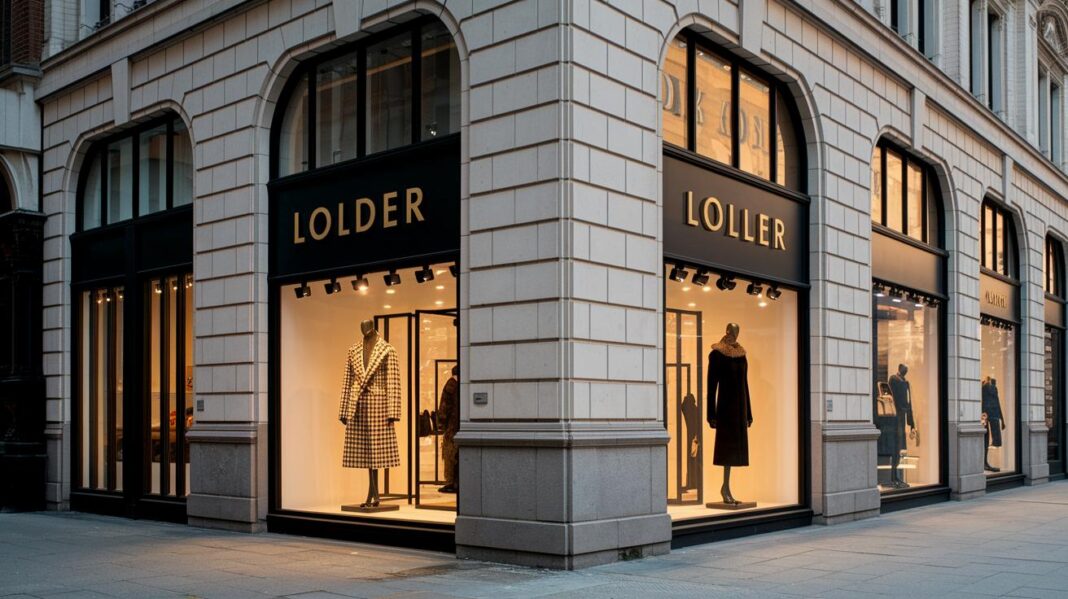

Ever wondered what secret touches make designer bags so special? Think of brands like Louis Vuitton, Chanel, Hermès, Gucci, and Prada, they mix time-honored skill with a dash of magical flair. Picture each bag as a tiny work of art, where every stitch and detail tells its own story of luxury and care. In this post, we're taking a clear look at these iconic labels to show you exactly why they light up the fashion world.
High-Level Comparison of Iconic Designer Labels
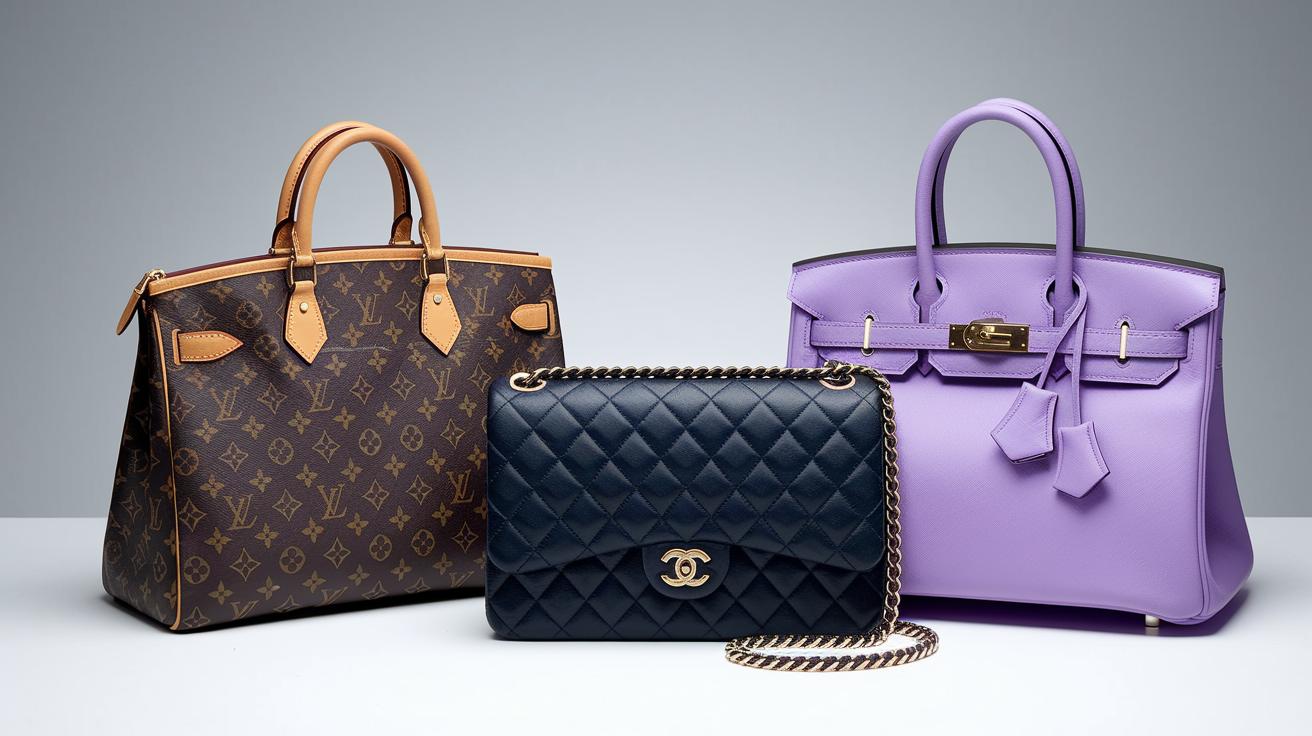
Step into the dazzling world of fashion, where each label tells its own glamorous story. Louis Vuitton, a true classic since 1854, is famed for its quality leather luggage and the signature monogram canvas that feels like a luxurious whisper of tradition. Chanel, lighting up the scene from 1910, revolutionized style with its timeless little black dress and the impeccably crafted Classic Flap bag, delivered by artisans with a real passion for perfection.
Hermès, a name that echoes luxury since 1837, brings magic to life with the Birkin and Kelly bags, each one taking up to 18 hours of careful, handcrafted artistry that you can almost feel with every touch. And then there’s Gucci, born in 1921, which pairs classic craftsmanship with daring modern designs; its famous interlocking G logo is an instant nod to chic elegance. Prada, established in 1913, rounds out the elite circle with minimalist leather goods that exude a quiet, refined sophistication.
Next, check out this handy side-by-side table that lays out each brand’s core details:
| Brand | Founded | Signature Product |
|---|---|---|
| Louis Vuitton | 1854 | Leather Luggage & Monogram Canvas |
| Chanel | 1910 | Classic Flap Bag & Little Black Dress |
| Hermès | 1837 | Birkin & Kelly Bags |
| Gucci | 1921 | Interlocking G Logo Pieces |
| Prada | 1913 | Minimalist Leather Goods |
This quick glance makes it easy to see how each iconic label weaves history, craftsmanship, and modern flair into the luxurious fabric of fashion.
Historical Evolution of Leading Designer Labels
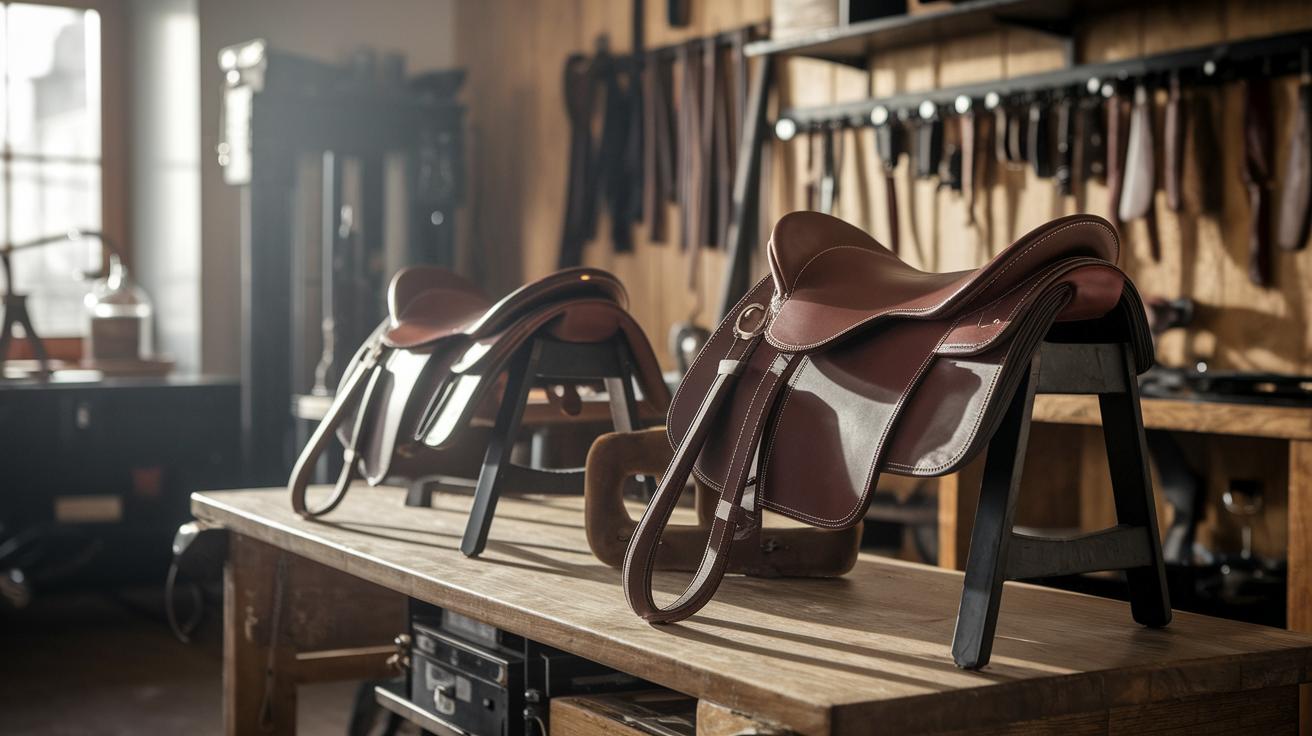
Hermès began humbly in 1837 as a simple saddlery. Imagine a small workshop where skilled hands crafted saddles that laid the groundwork for a future luxury empire. As time went on, this equestrian spark transformed into a dazzling range of leather goods and timeless accessories that still captivate the fashion world.
Louis Vuitton made its debut in 1854 with luxury trunks that perfectly mixed practicality with refined style, turning travel essentials into coveted pieces of art. And then there's Chanel, which opened its doors in 1910 as a modest millinery. It later stunned fashion enthusiasts with game-changing designs like the little black dress in 1926 and the Classic Flap bag in 1955.
Gucci, launched in 1921 from a leather shop with equestrian roots, quickly set itself apart with its bold yet elegant flair. Meanwhile, Prada began as a leather boutique in Milan in 1913, gradually mastering a look centered on minimalist chic. Oh, and let’s not forget 1984, when Hermès introduced the Birkin bag, instantly elevating it to a status symbol and adding a rich new chapter to its heritage.
Craftsmanship and Quality Comparison in Iconic Designer Labels
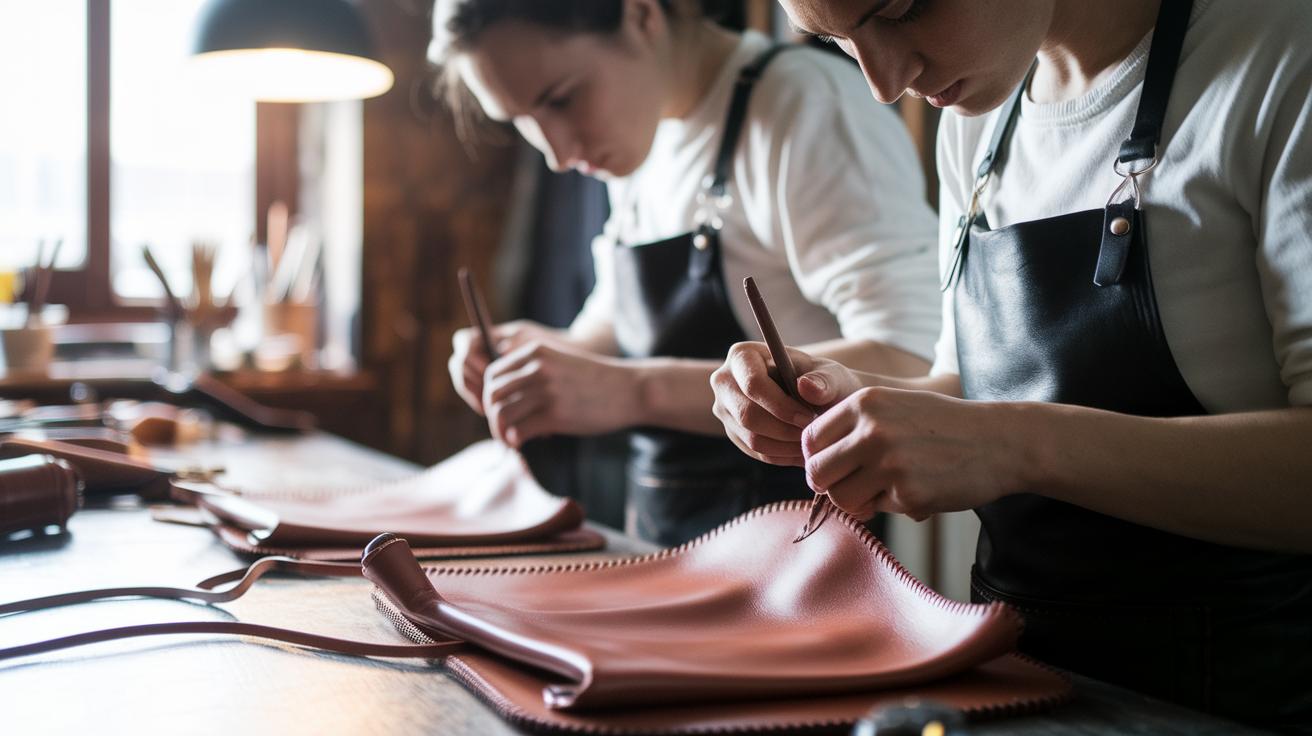
Each label has its own charm, thanks to top-notch materials and a real passion for details. Take Louis Vuitton, for example. They source full-grain cowhide directly from French tanneries and use up to 20 careful stitches per inch on each bag. It’s a bit like watching a skilled tailor paint a masterpiece, one stitch at a time.
Chanel works its magic in French ateliers, where dedicated artisans pour their heart into every seam. Their pieces radiate elegance and precision, showing off years of hands-on know-how that turns premium materials into true works of art.
Hermès goes a step further by letting one artisan craft each Birkin or Kelly bag on their own. Spending up to 18 hours on a single bag makes every piece feel unique and extra special.
Gucci mixes classic hand-finishing with modern production methods. Their leather trims are lovingly finished by hand, striking the perfect balance between today’s efficiency and the timeless art of craftsmanship.
Prada is all about quality. Their Saffiano leather endures a detailed nine-step stamping and dyeing process, and their signature nylon, introduced back in 1984, has become a cool symbol of durability with a touch of simple chic.
- Louis Vuitton: Full-grain cowhide with up to 20 stitches per inch
- Chanel: Crafted in French ateliers by dedicated artisans
- Hermès: Single-artisan bags taking up to 18 hours each
- Gucci: Hand-finished leather trims combined with modern methods
- Prada: Saffiano leather perfected through a nine-step process
Signature Styles Juxtaposition in Iconic Designer Labels
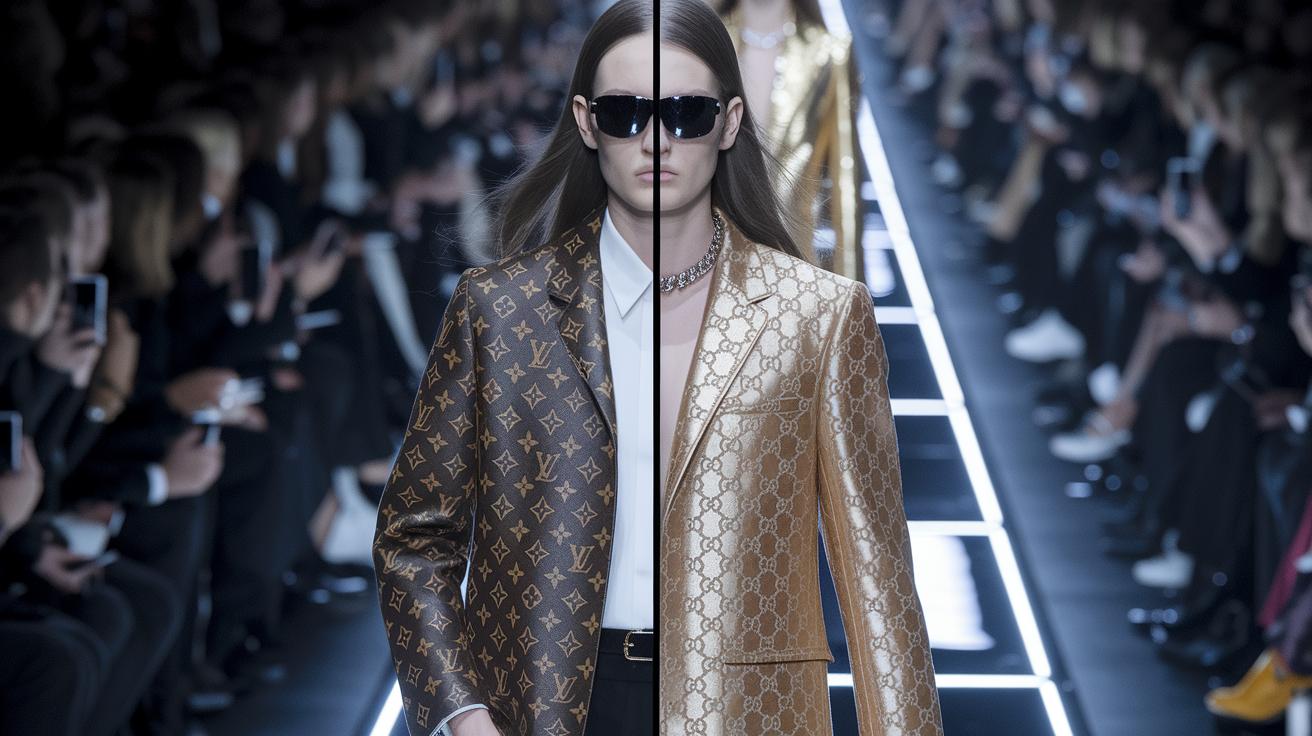
Louis Vuitton’s classic monogram canvas instantly brings to mind a legacy of timeless luxury. In a similar vibe, Gucci’s double G sign adds a modern, youthful twist that really pops. Imagine a runway where one side rocks the elegant Louis Vuitton print while the other shimmers with Gucci’s innovative flair.
Chanel’s interlocked C feels like a warm, familiar nod to sophisticated style, perfectly echoing the sleek lines of the iconic Chanel suit. Meanwhile, Prada’s minimalist, tailored creations, paired with their pioneering nylon backpack from 1984, offer a fresh, modern conversation with classic style. It’s all about blending practical chic with a touch of signature refinement.
Over at Hermès, the structured shape of the Birkin bag makes a statement that’s both functional and fabulous. On the flip side, Gucci’s bold Flora prints burst with energy and artistic flair, as if straight from the heart of a high-octane runway show. Picture models strutting, where sharp geometry meets eye-popping patterns to create a visual story you can almost feel.
Then there’s Louis Vuitton’s Speedy silhouette, debuting in 1930 and still a trendsetter today. Just like Prada’s revolutionary nylon backpack, these designs have reshaped what we expect from luxury fashion. Each iconic motif highlights the unique spirit and inventiveness that keep these designer labels at the cutting edge of the industry.
Pricing and Value Comparison Among Designer Labels
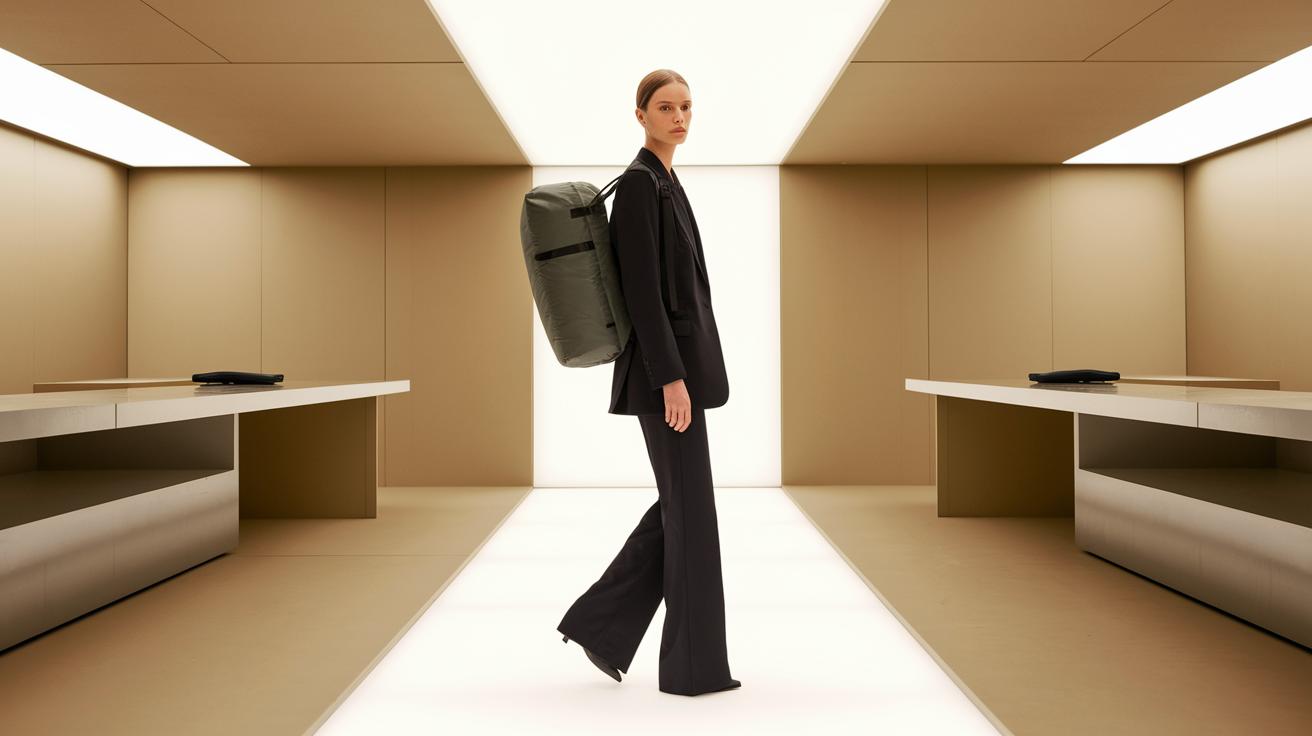
When you peek into the luxury fashion world, you quickly notice that price tags do more than just show style. They whisper stories of rare materials, countless hours of expert handwork, and a dash of exclusive sparkle that makes these pieces super desirable. Each designer adds their own special vibe, making every bag a unique investment.
Take the Hermès Birkin, for example. These bags start at about $10K and can skyrocket to $150K, and in the resale buzz, they often gain an extra 10-20% each year. Meanwhile, Chanel’s Classic Flap is usually tagged at $7K or more, with a resale boost of around 15% on average. Louis Vuitton’s Speedy bag, priced between $1.2K and $2K, stays a crowd favorite thanks to its steady resale value. Over at Gucci, the Dionysus bag comes in between $2K and $3K, showing a modest resale rise of roughly 5%. And then there’s Prada’s Galleria tote, usually around $2K, which barely changes in resale value – creeping up by only about 3%.
| Designer | Initial Price Range | Resale Value Change |
|---|---|---|
| Hermès Birkin | $10K–$150K | +10-20% yearly |
| Chanel Classic Flap | $7K+ | Approximately +15% |
| Louis Vuitton Speedy | $1.2K–$2K | Stable |
| Gucci Dionysus | $2K–$3K | +5% |
| Prada Galleria Tote | $2K | Flat to +3% |
These price tags are not just random numbers. They’re fueled by top-quality materials, the care and passion of skilled artisans, and smart moves by brands to keep these goodies in limited supply. It’s this mix of quality, artistry, and exclusivity that makes luxury fashion so irresistibly glamorous!
Market Positioning and Global Influence of Iconic Designer Labels
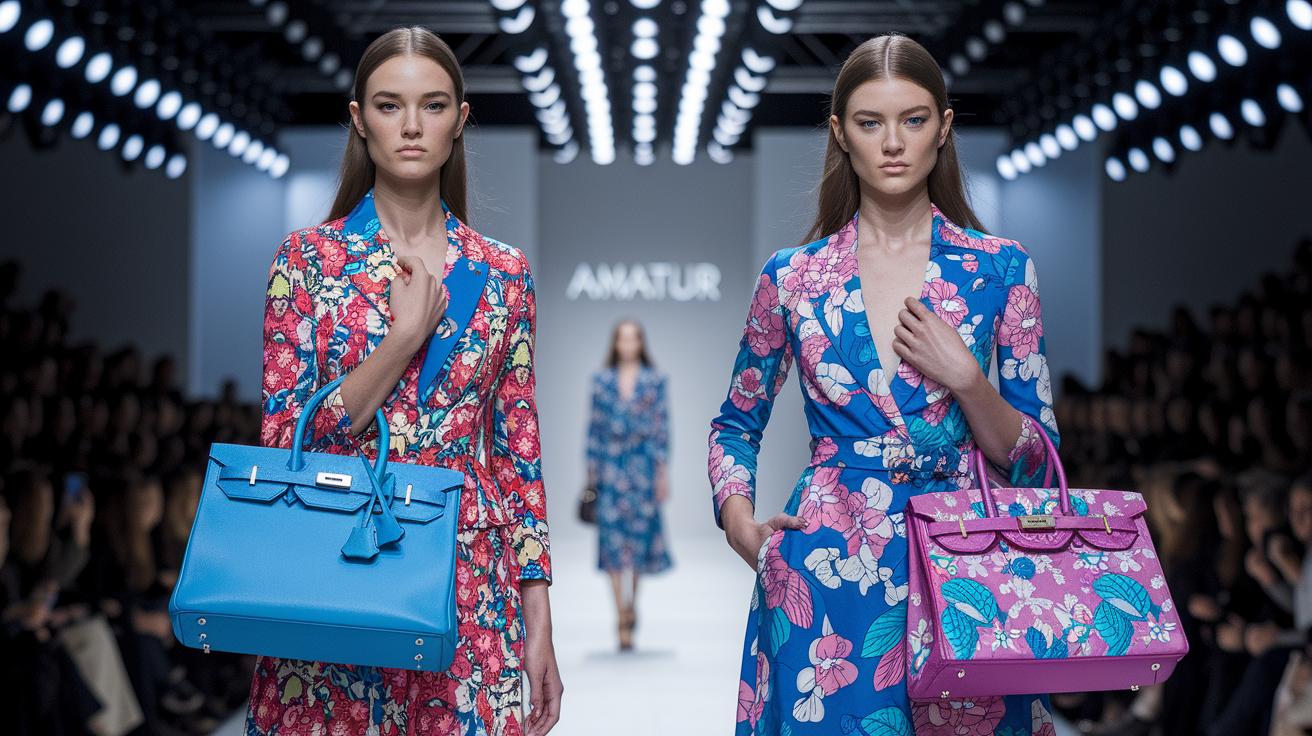
Louis Vuitton still dominates the luxury scene, pulling in around €15 billion in revenue back in 2022. Its strong presence in the Asia-Pacific region, paired with over 45 million social media fans, shows just how global its sparkle really is.
Chanel, with a private valuation of $75 billion, carries an aura of timeless prestige that resonates with high-end clients worldwide. It’s like having a backstage pass to the world of elite fashion.
Gucci is on fire too, posting an impressive 29% revenue boost in Q2 2023. Its innovative vibe and big impact in North America keep modern luxury lovers coming back for more.
Hermès keeps things ultra-exclusive by carefully limiting production. This smart move makes its products even more desirable on the global stage, keeping fans eagerly waiting.
Prada has also bounced back nicely with a 16% sales recovery in 2023, steadily proving its mix of modern flair and top-notch quality remains unbeatable.
| Brand | Key Indicator |
|---|---|
| Louis Vuitton | €15 billion revenue (2022) |
| Chanel | $75 billion private valuation |
| Gucci | 29% revenue growth (Q2 2023) and 42M+ social media followers |
| Hermès | Controlled production for high exclusivity |
| Prada | 16% sales recovery (2023) |
Each of these indicators shows how these legendary brands use their unique strengths and cultural charm to shine on the worldwide luxury stage.
Sustainability Comparison and Future Outlook for Iconic Designer Labels
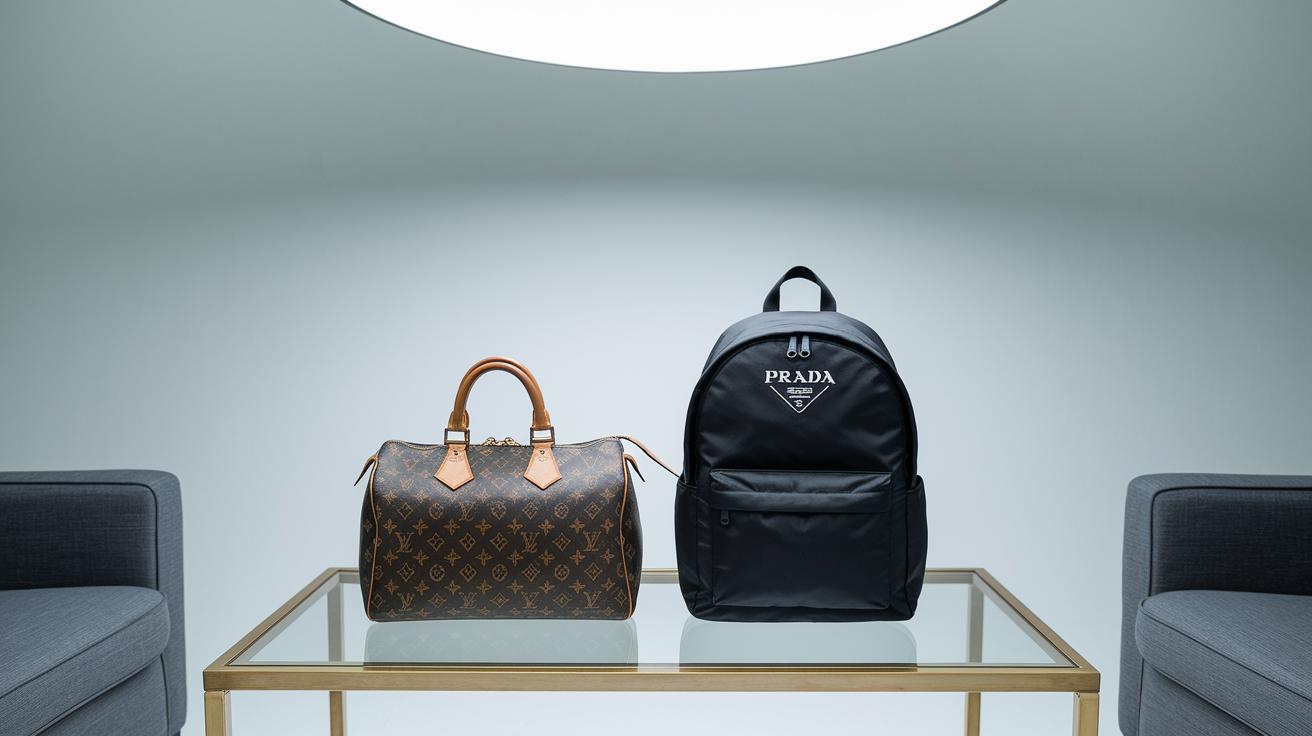
Ever wondered how your favorite designer labels are stepping up their eco game? Each brand is finding its own exciting way to care for our planet while still keeping that unmistakable high-fashion flair.
Gucci, for example, has been on the green track since 2008. They reached carbon neutrality by offsetting emissions and using eco-friendly packaging. It’s like they sprinkled some sustainability magic on their style without missing a beat.
Then there's Prada, which launched its Re-Nylon project back in 2019. This creative venture uses regenerated nylon and aims to switch completely to sustainable materials by 2025. Imagine luxury reimagined with a fresh, eco-friendly twist!
Chanel is busy working toward 100% traceability of its key materials by 2025. They’re even backing regenerative agriculture to help our planet stay healthy. It’s a heartfelt stride toward making sure every piece comes with a promise to the environment.
Hermès is taking a thoughtful approach too. Their pilot programs focus on low-impact tanning to boost animal welfare and responsible sourcing. They’re all about reducing the footprint of premium leather in a way that feels as genuine as it is stylish.
| Label | Sustainability Initiative |
|---|---|
| Gucci | Carbon neutral since 2008 with offset programs and eco-friendly packaging |
| Prada | The Re-Nylon project, targeting 100% sustainable materials by 2025 |
| Chanel | Aiming for 100% traceability of key raw materials and investing in regenerative agriculture by 2025 |
| Hermès | Running low-impact tanning pilot programs to boost animal welfare and responsible sourcing |
Each of these iconic brands is lighting up a new path where luxury meets responsibility. Their forward-thinking moves remind us that being fashionable and caring for the planet can go hand in hand.
Final Words
In the action, this article whisked us through a vibrant showcase of top luxury labels, highlighting their storied heritage, standout craftsmanship, and signature style elements. The detailed comparison of iconic designer labels offered a quick peek at pricing, market influence, and green initiatives that set each brand apart.
We wrapped up each segment with clear insights and a fun look at trends that keep the glamour alive. Enjoy soaking in the allure of timeless fashion and the upbeat buzz each renowned label brings!
FAQ
What are the top luxury fashion brands?
The top luxury fashion brands often include Louis Vuitton, Chanel, Hermès, Gucci, and Prada. These labels rank highly for their heritage, quality craftsmanship, and strong global influence.
Who are the big 4 designers?
The big 4 designers in luxury fashion are often considered to be Louis Vuitton, Chanel, Hermès, and Gucci. They set trends with distinctive styles and maintain a dominant presence in the industry.
Is Prada higher than Louis Vuitton or is Hermès higher than Louis Vuitton?
Questions regarding Prada compared to Louis Vuitton and Hermès compared to Louis Vuitton focus on brand distinctions. Louis Vuitton is celebrated for its legacy and accessibility, while Prada is known for minimalist chic and Hermès for artisan-made items.
How do luxury fashion brands compare in quality and craftsmanship?
Comparing luxury fashion brands means examining their meticulous craftsmanship. For example, Louis Vuitton uses precise stitching on premium leather, whereas Hermès employs single-artisan techniques for handmade masterpieces.
How do luxury brands compare in pricing and value?
Pricing and value comparisons examine factors like materials, artisan time, and brand exclusivity. Hermès Birkin bags command high prices for intricate craftsmanship, while Louis Vuitton items maintain stable resale value.
How do luxury brands balance heritage with modern trends?
The balance between heritage and modern trends in luxury fashion emerges through innovative designs that honor classic craftsmanship. Brands like Prada and Gucci keep their iconic appeal while embracing contemporary style and sustainable practices.
What sustainability initiatives are luxury brands adopting?
Sustainability efforts show brands such as Gucci, Prada, Chanel, and Hermès are implementing eco-friendly methods—from carbon neutrality to regenerative materials and responsible sourcing—to create greener luxury collections.