


Is fast fashion really a gateway to affordable glam, or does it come with a high cost for modern styles? Celebrity-endorsed looks allow you to follow the latest trends without spending a fortune, making everyday wear feel like red carpet attire. Still, these rapidly produced collections also bring serious problems such as environmental damage and challenging labor conditions. This article weighs both the appeal and the drawbacks, encouraging you to ask if the excitement of trendy pieces is worth the hidden repercussions. Discover how celebrity-inspired fast fashion not only revamps our wardrobes but also leaves its mark on the world around us.
Weighing the Pros and Cons of Celebrity Fast Fashion
Celebrity endorsements in fast fashion quickly introduce trend-driven designs to a wide audience. Collaborations with brands such as Zara, H&M, and SHEIN bring out fresh collections every week at prices most can afford. With the backing of popular figures, these lines gain increased recognition while offering shoppers an affordable taste of star-quality style. Picture a celebrity suggesting that an everyday look can capture the elegance of a red carpet event without emptying your wallet.
On the flip side, this very model often fuels excessive consumption and ignores the need for sustainability. As fast fashion transforms trends into throwaway items at a rapid pace, it frequently depends on questionable labor practices in countries with minimal regulations. Such contrasts between appealing benefits and serious drawbacks lie at the center of the debate. The lure of chic affordability clashes with significant environmental and ethical consequences.
-
Enhances brand recognition through celebrity influence
-
Provides cost-effective, runway-inspired designs
-
Introduces regular new collections to keep consumers engaged
-
Quickly taps into markets that chase the latest trends
-
Expands access to high-fashion looks for a broader audience
-
Builds consumer trust with familiar celebrity endorsements
-
Promotes unsustainable consumer habits
-
Conceals exploitative labor conditions in manufacturing
-
Contributes roughly 10% of global carbon emissions
-
Generates 92 million tons of textile waste each year
-
Releases 500,000 tons of microplastics through washing processes
-
Prioritizes short-term trends over lasting sustainability
When weighing the swift style advantages against the profound environmental and ethical challenges, celebrity-driven fast fashion continues to deliver glamorous affordability at a steep cost.
Celebrity Fast Fashion Endorsements and Trend Influence
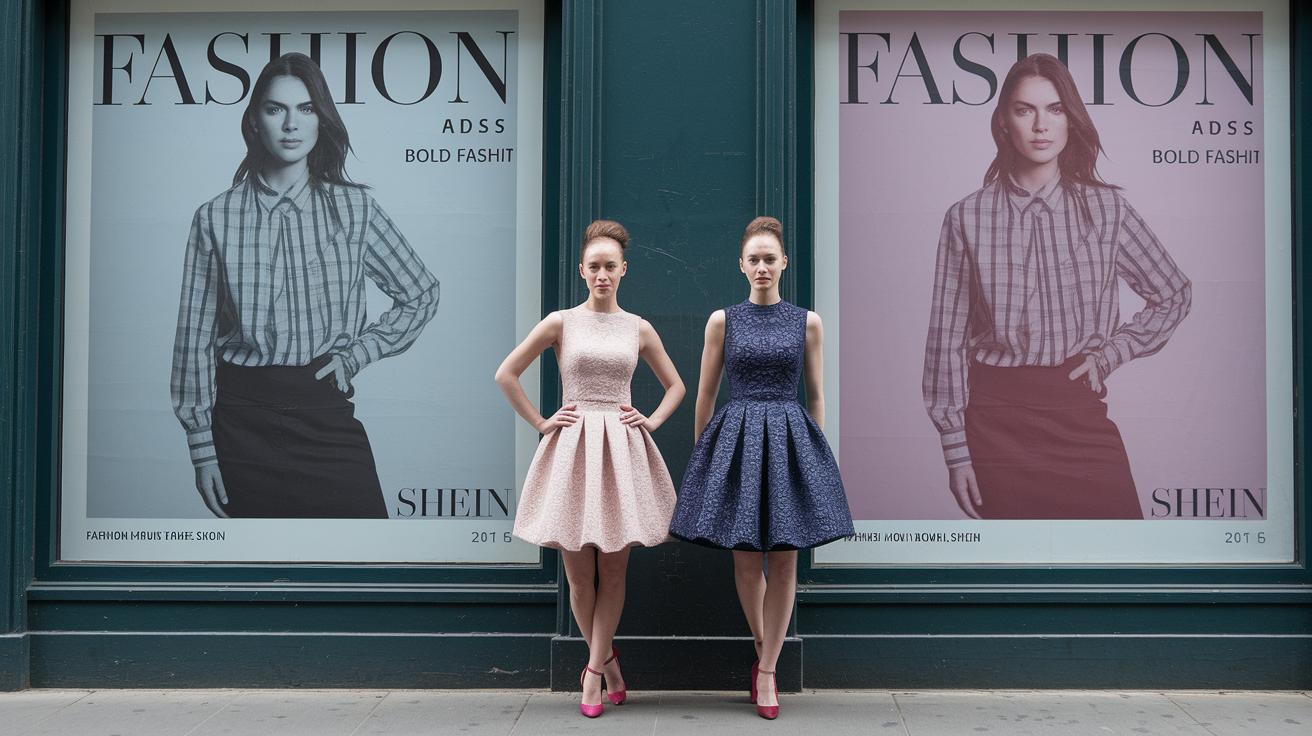
Celebrity endorsements play a major role in quick brand recognition by combining popular culture with easily accessible style. For example, Kylie Jenner’s campaign with Fashion Nova generated record-breaking social media conversations in just a few hours. This instant buzz highlights how fast fashion brands depend on star power to drive interest and rapid sales.
Khloé Kardashian’s partnership with SHEIN provides another clear example. Her campaign for the "Great Jeans" back-to-school collection caught public attention due to its bold imagery and a script that many found lacking. This stirred lively debates among both critics and consumers. In a contrasting approach, Kourtney Kardashian teamed up with Boohoo as a sustainability ambassador. This role not only influenced trends but also promoted ethical practices, showing that celebrity relationships can shape varied and impactful brand stories.
Overall, using celebrity endorsements helps brands quickly capture attention across digital platforms. While these partnerships create widespread and immediate awareness, they also emphasize short-term hype, sometimes at the expense of building a lasting, sustainable reputation.
Celebrity Endorsements and Economic Impact on Fast Fashion
Celebrity endorsements are a powerful engine for quick market growth, sparking surges in sales, boosting revenues, and enlarging market shares. By merging economic insights with discussions on star-backed collections, it becomes clear that affordable production methods and accessible pricing have fundamentally altered buying habits. For instance, one campaign saw online orders jump by 250% within a few hours.
Data shows that featuring well-known figures leads to immediate sales boosts and modest profit gains driven by impulse buys. In addition to this short-term impact, each celebrity collaboration gradually strengthens a brand's market position. Notable benefits include a swift increase in sales volume, rapid market entry despite narrow profit margins, and enhanced brand visibility thanks to celebrity influence.
Research confirms that consumers naturally favor collections endorsed by familiar faces, viewing them as both innovative and affordable. This positive perception encourages repeat purchases and lasting loyalty, as seen when a celebrity campaign drove numerous buyers to mix high-fashion allure with everyday value.
Ethical and Environmental Costs of Celebrity Fast Fashion
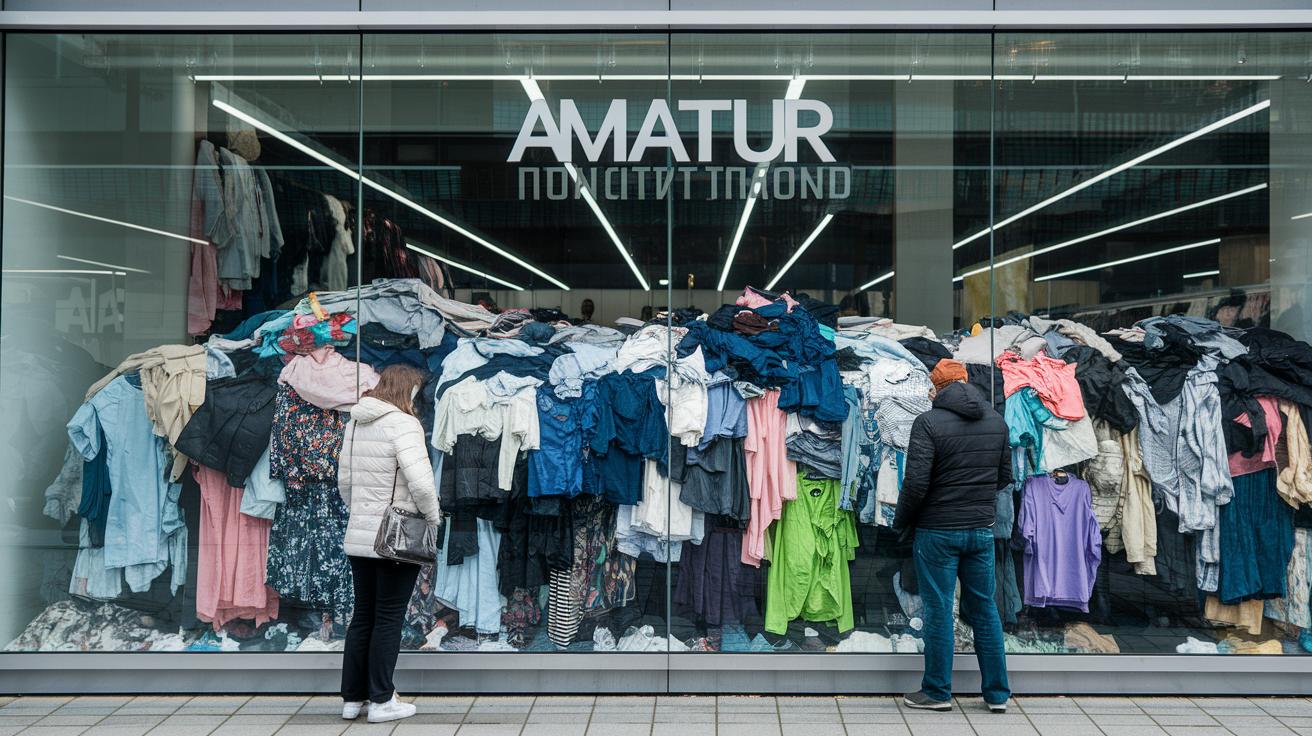
Celebrity endorsements have sped up fast fashion consumption, worsening both environmental damage and ethical issues. Annually, roughly 92 million tons of textiles become waste, and synthetic garments release about 500,000 tons of microplastics during washing, showing the deep harm to ecosystems. One notable example compares a single fast fashion collection to major industrial waste output, highlighting the urgent call for more sustainable practices. These details not only stress the enormous waste problem but also pave the way for understanding the broader issues discussed previously.
In addition to the clear environmental toll, the industry also relies on exploitative labor practices. Workers in top production regions often experience unsafe conditions and very low pay, which starkly contrasts with the glamour promoted by celebrity endorsements. Previous sections have explored how unsustainable production methods and weak ethical standards come together to create these challenges. This overall view stresses the combined social, environmental, and ethical problems fast fashion creates.
| Issue | Metric |
|---|---|
| Carbon Emissions | 10% of global annual total |
| Textile Waste | 92 million tons per year |
| Microplastics | 500,000 tons annually |
Sustainable Alternatives to Celebrity Fast Fashion Models
Alternative models to celebrity fast fashion are gaining traction as a smart response to growing environmental and labor issues. This fresh approach centers on fair labor practices, innovative recycling methods, and smart clothing reuse strategies to build a more ethical apparel market. Broader lifestyle changes, like organic food initiatives and local sustainability programs, also support consumers in making choices that benefit both people and the planet. Movements that promote buying less encourage focusing on quality rather than quantity, steering the industry towards lasting durability and a deep respect for nature.
Industry leaders are taking steps to reinvent the fashion landscape by introducing garment-recycling programs and opting for eco-friendly materials that help reduce textile waste. One pioneering brand now transforms returned clothing into raw materials for new collections, proving that waste reduction and ethical standards can work hand in hand. This approach not only promotes better labor practices but also lowers the overall environmental footprint of fast fashion.
Consumer reward initiatives further boost this shift by offering incentives such as discounts and community benefits for choosing sustainable products. With innovative apps rewarding eco-conscious shopping habits, everyday choices are evolving into a collective effort towards responsible consumption.
Managing Reputation Risks in Celebrity Fast Fashion Partnerships
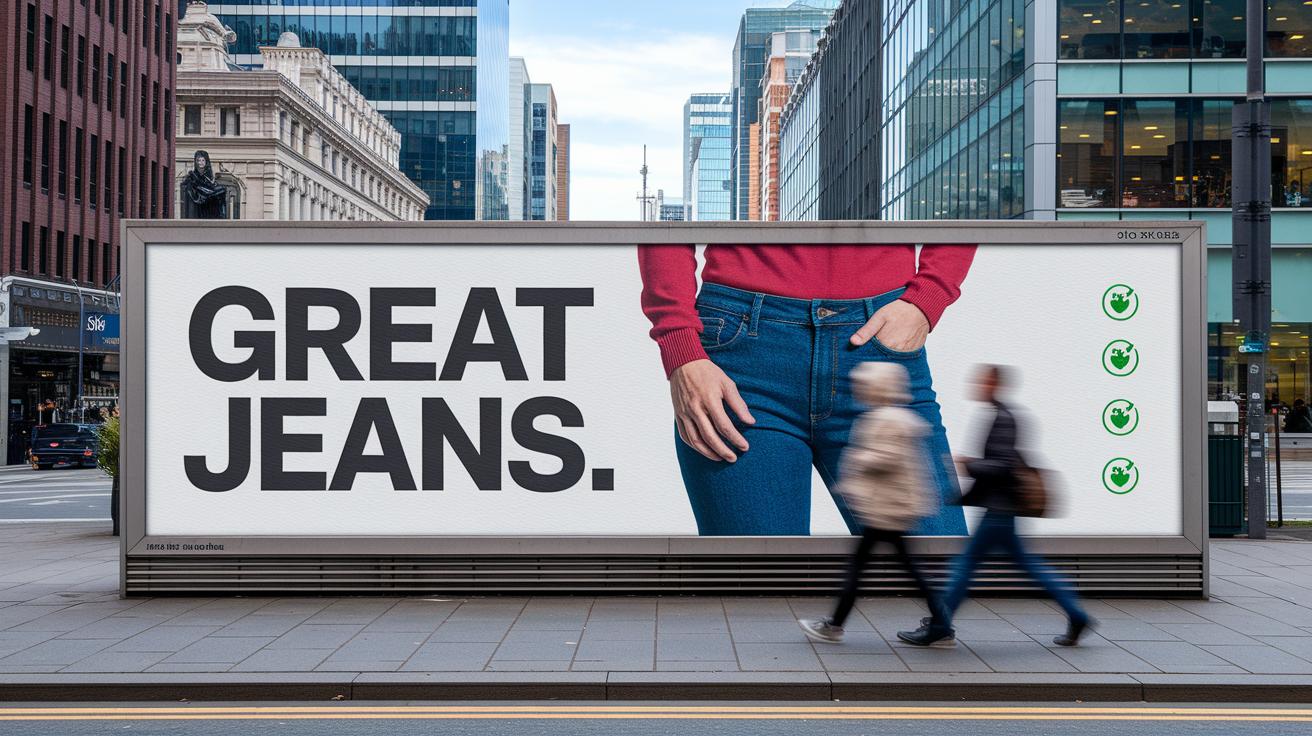
Some observers feel that bold advertising campaigns like the "Great Jeans" ads can harm the image of fast fashion brands that mainly appeal to young consumers. For example, when Khloé Kardashian partnered with SHEIN, it raised ethical questions and led to public discontent, showing that celebrity collaborations may weaken trust if they do not align with sustainable practices. In one case, a striking campaign attracted attention but ultimately undermined consumer confidence with its contentious storyline.
Companies can address these challenges by focusing on clear and honest communications and by partnering with brands that share ethical values. Both brands and celebrities are better positioned to protect their reputations if they openly stress their commitment to responsible actions and quickly engage with feedback. By fostering transparent conversations and employing thoughtful public image approaches, they can build a brand persona that connects well with audiences while addressing ethical concerns.
Final Words
In the action of exploring industry shifts, the post dissected how star power sparks trends, drives economic gains, and also exposes ethical and environmental challenges.
Key points ranged from celebrity endorsements and economic boosts to exploitative practices and sustainability hurdles.
The discussion of celebrity fast fashion pros and cons impels readers to balance style with responsibility. Embracing thoughtful strategies can steer us toward a future where innovation and ethical practices walk hand in hand.
FAQ
Q: What are the pros and cons of fast fashion?
A: The pros and cons of fast fashion include benefits like affordability, trend accessibility, and frequent style refreshes, while drawbacks involve environmental harm, textile waste, and ethical issues with labor practices.
Q: How do celebrity endorsements influence fast fashion trends?
A: Celebrity endorsements boost fast fashion brands by increasing trend visibility and driving rapid sales, yet they can also promote overconsumption and divert attention from sustainability concerns.
Q: What is the environmental impact of fast fashion?
A: The environmental impact of fast fashion is marked by high carbon emissions, massive textile waste, and the discharge of microplastics, contributing significantly to global ecological challenges.
Q: Which fast fashion brands are widely recognized?
A: Recognized fast fashion brands such as Zara, H&M, Forever 21, and SHEIN are known for their quick, trend-driven collections and accessible price points.
Q: What does the 30 wear rule mean in fashion?
A: The 30 wear rule in fashion advises that garments be worn at least 30 times before disposal, encouraging more sustainable consumption and longer use of clothing.
Q: Is Lululemon considered a fast fashion brand?
A: Lululemon is not classified as a fast fashion brand because it focuses on high-quality athletic apparel and ethical production standards, which differ from low-cost, high-turnover models.