
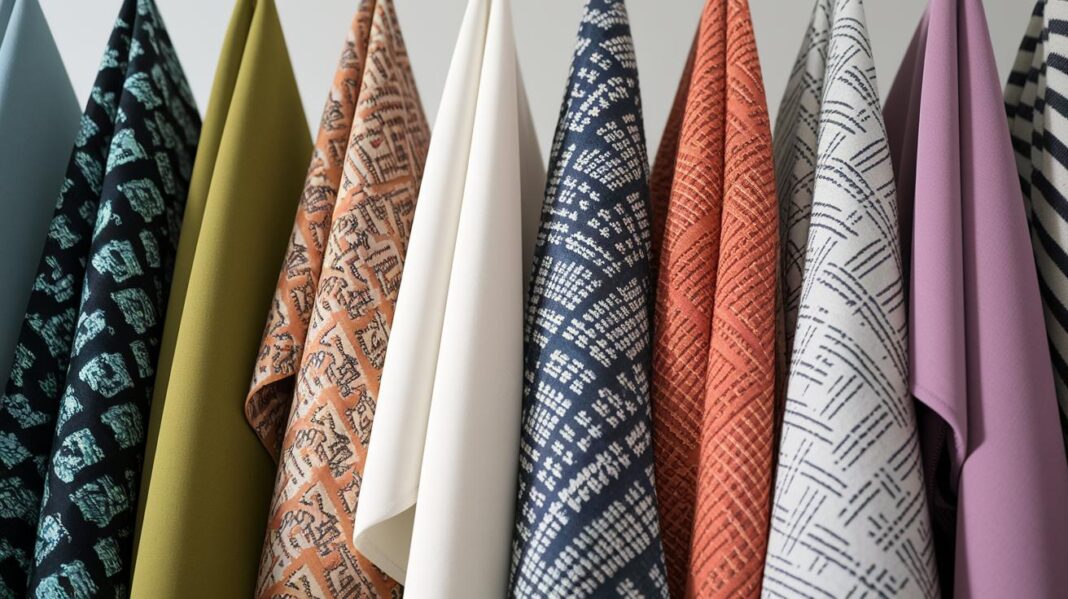

Ever wondered if luxury could actually help save our planet? Top designer labels are shaking things up by going green, and it's as exciting as catching a sneak peek of your favorite celebrity behind the scenes. They’re tossing out old, wasteful methods and embracing eco-friendly practices that feel as fabulous as they look.
Imagine sumptuous fabrics made from recycled materials and organic cotton, it's eco luxe with a twist, turning everyday style into a glamorous statement of responsibility. In this post, we’re breaking down how these innovative changes are transforming high-end fashion, proving that elegance and care for our planet really can go hand in hand.
Current Sustainability Strategies in Luxury Designer Labels

Top fashion houses are completely rethinking the way they work by adding eco-friendly touches in every part of their process. With worries about too much textile waste and the old habit of "use and toss," these brands are now all about caring for their teams, saving resources, and planning for a future that lasts. They’re stepping up by ensuring fair pay and safe workplaces while also cutting down on pollution and extra resource use, from the design studio to the factory floor.
Big names in the industry are trying out fresh, innovative methods that mix luxury with a green mindset. In every decision, whether it’s choosing recycled or organic materials or adopting smarter production techniques that cut down on waste, these brands show a deep care for both the planet and the people who make their collections. They manage to combine dazzling style with a genuine commitment to protecting our world, reshaping high fashion in a way that’s both creative and responsible.
Now, these labels are embracing a three-part plan that balances ethical business practices, chic green aesthetics, and thoughtful luxury. They’re checking every step of their supply chain to raise the bar on sustainability and leave a lasting legacy. This all-in approach not only helps our planet and its people but also redefines luxury for a savvy audience that values honesty, quality, and long-term care.
Material Innovations Shaping Sustainable Designer Label Collections
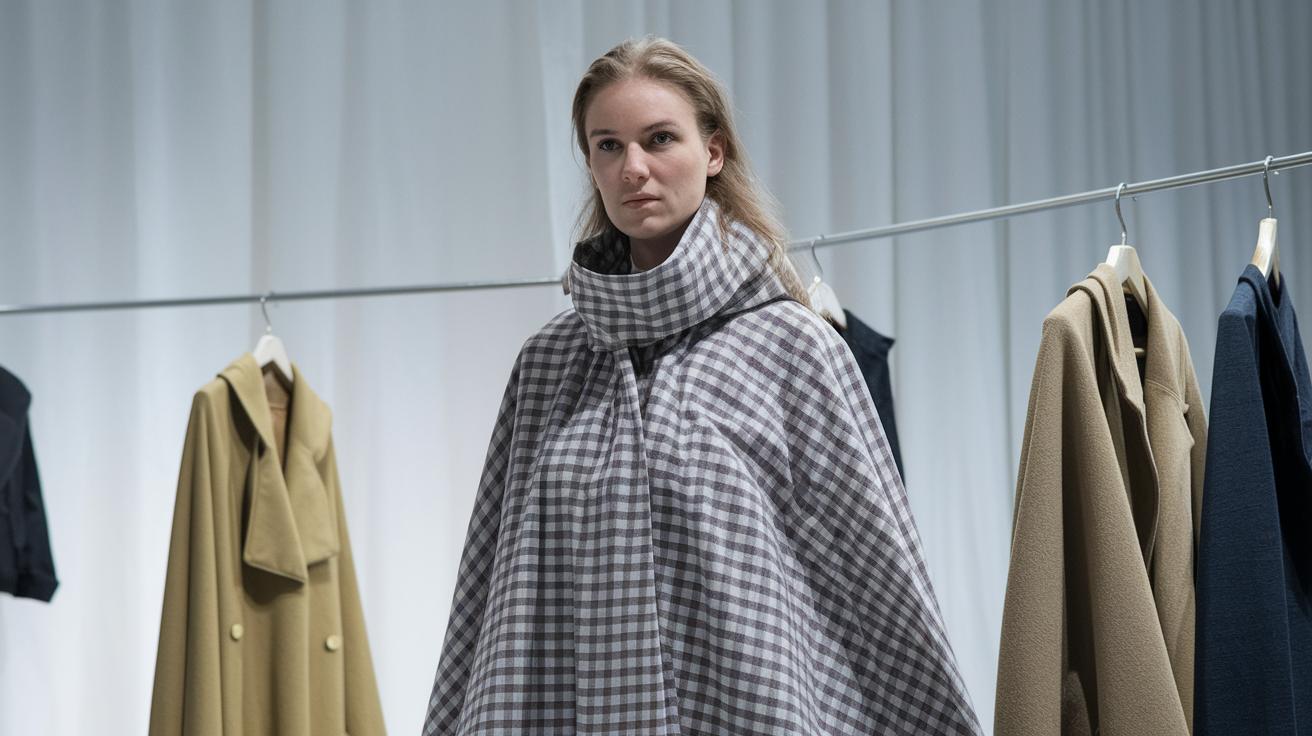
Top luxury brands are buzzing with excitement over new, eco-friendly materials that bring a fresh twist to high-end fashion. Designers are leaving behind old-school fabrics and choosing greener options that look as amazing as they feel. They now use organic cotton grown with less water and fewer chemicals, recycled polyester made from used plastic bottles, and regenerative wool sourced from farms that care for the soil. These smart choices help create stylish pieces that are gentle on our planet.
Innovative materials let designers weave stories of eco-friendly luxury into every detail. New fabric technologies not only cut down on environmental harm but also add cool textures and long-lasting quality, perfect for the sophisticated fashion lover. Key material innovations include:
- Organic cotton grown with less water and fewer chemicals
- Recycled polyester from plastic bottles
- Regenerative wool that supports healthy soil
- Biodegradable mushroom leather alternatives
- Textile blends made from algae
These breakthroughs open up a world of possibilities for collections that are both sustainably stylish and uniquely creative.
Digital Product Passports Enhancing Designer Label Transparency
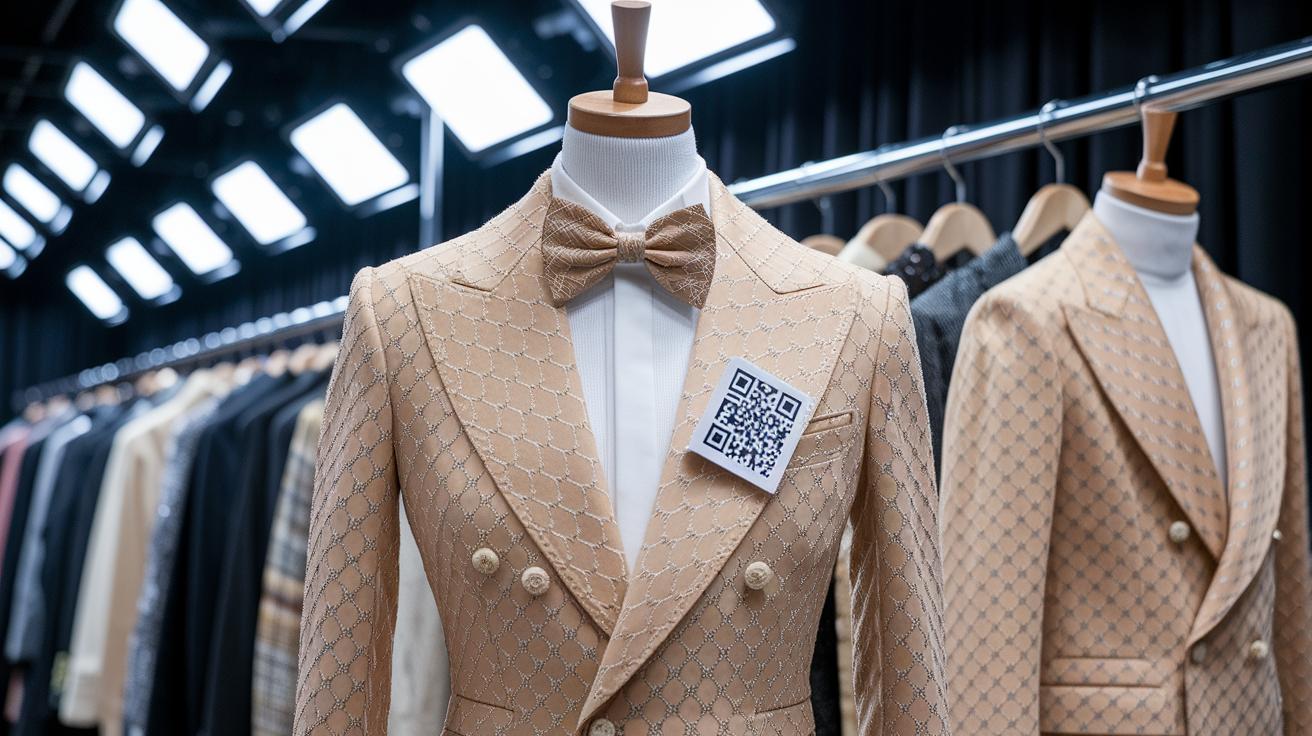
Digital Product Passports (DPPs) are shaking up the luxury scene by giving each designer label a full backstage pass. Think of them like secret codes woven into the fabric, thanks to cool QR codes and NFC tags, you can uncover a garment’s entire story, from the very first thread to how it can be recycled later. Top names like Coach, Alexander McQueen, and Chloé are leading the way, and with help from trusted platforms like EON and Reflaunt, checking a piece’s authenticity is as breezy as a red carpet stroll. Key rules from the EU Circular Economy Action Plan and California’s Garment Worker Protection Act only add to the sparkle, making it clear that transparency and care are the new must-haves in ethical luxury.
Benefits of Digital Product Passports
Imagine getting insider tips on how best to care for your favorite outfit or knowing exactly where to send it for recycling. That’s the magic of DPPs. Shoppers can enjoy simple, clear care guides, and recycling suggestions, keeping those beautiful pieces in the spotlight for much longer. Regulators, on the other hand, find it a cinch to oversee eco-friendly standards, and luxury brands get a treasure trove of data. This not only helps design collections that stand the test of time but also builds trust by showing a real commitment to responsible practices.
Implementation Challenges
Sure, this tech has its dazzle, but it also comes with a few challenges. The cost of cutting-edge technology and tricky logistics can be a heavy load for smaller labels. Integrating these new systems into tried-and-true production lines isn’t always smooth sailing. And, like explaining a new trend, brands must work to show shoppers how to tap into this detailed lifecycle info. Despite the bumps, the effort is worth it for a more transparent, ethical runway of fashion.
Circular Economy Models Fueling Sustainable Designer Label Trends
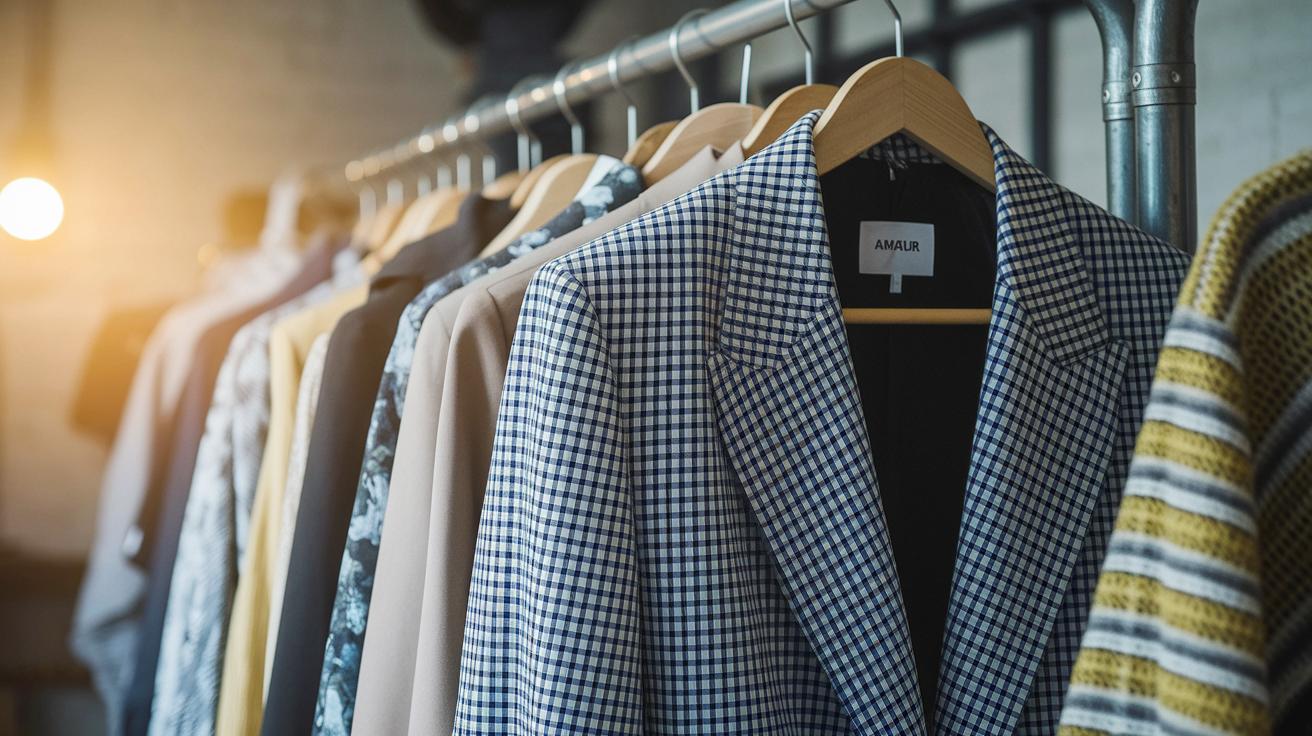
Luxury brands are totally shaking up the fashion scene. They’re taking a fresh approach by keeping stylish pieces in action longer. Think of it like giving clothes a second life through clever strategies that mix the best of design and eco-friendly vibes.
These brands are turning to methods like closed-loop recycling, take-back programs, rental services, and repair workshops. In simple terms, they’re recycling fabrics to make new items, inviting you to return old favorites for a makeover, lending chic pieces for special moments, or fixing your beloved garment so it lasts. It’s all about reducing waste and making sure each piece feels loved again.
Now, with stricter rules pushing for cleaner production and avoiding misleading green claims, designers are crafting clothing that’s tough, easy to fix, and built to be recycled. It’s like bringing an eco-friendly twist to the red carpet, where fashion meets a heartfelt commitment to our planet.
| Model | Description | Example Brand |
|---|---|---|
| Closed-Loop Recycling | Old garments are reborn into brand new, stylish items reducing waste. | Patagonia |
| Take-Back Schemes | Customers return used pieces for a fresh refurbish and reuse. | Eileen Fisher |
| Rental Services | Luxurious outfits are available for temporary wear, cutting down on new production. | Luxury Rental |
| Repair Workshops | Expert fixes bring worn pieces back to life for more wear. | Renew Lab |
These innovative strategies are making waves in designer circles. They blend smart, sustainable ideas with the glamour of modern luxury, inviting everyone to join a movement where fashion really cares about our world.
How Consumer Demand Shapes Sustainable Designer Label Trends
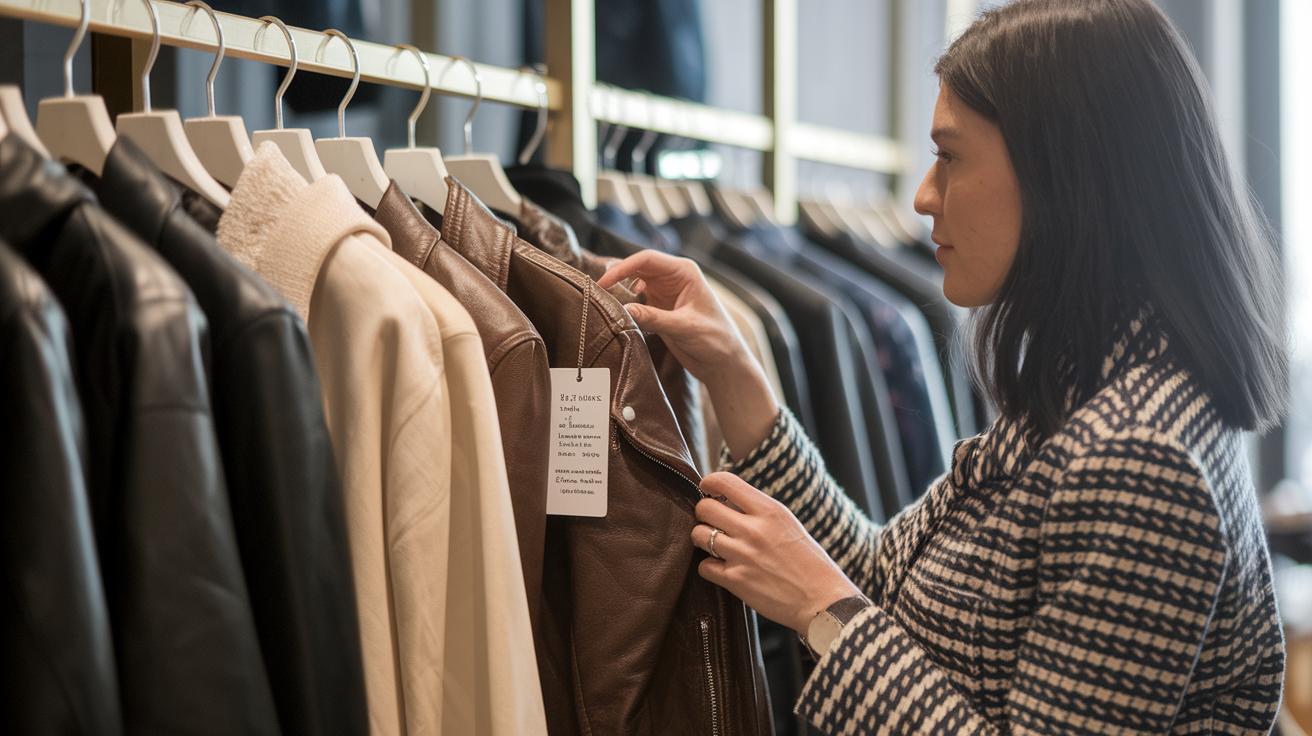
Over half of fashion fans now seek out luxury items that are kind to animals and ethically produced. This change in taste has encouraged designers to rework their collections with genuine care. Imagine the sparkle in someone’s eye when they discover that a chic jacket was crafted without harming animals and with fair labor practices. It’s a touch of honesty that builds a warm bond between brands and shoppers.
Authentic storytelling is creating a buzz in high-end fashion. Designers are sharing behind-the-scenes tales of careful repairs and clever resale ideas that breathe new life into classic pieces. These heartfelt stories, filled with backstage passion, make each garment feel personal and lasting. When a favorite dress is given a fresh twist, it feels like you’re part of a positive, stylish movement.
Today, fashion lovers want their items to blend style with social responsibility, and that’s reshaping the market. A growing love for quality craftsmanship and ethics is inspiring designers to adopt practices that really connect with a thoughtful crowd. When you choose these pieces, you’re joining a trend where every luxury item tells a real story of positive impact and genuine commitment.
Forecasting the Next Wave of Sustainable Designer Label Innovations
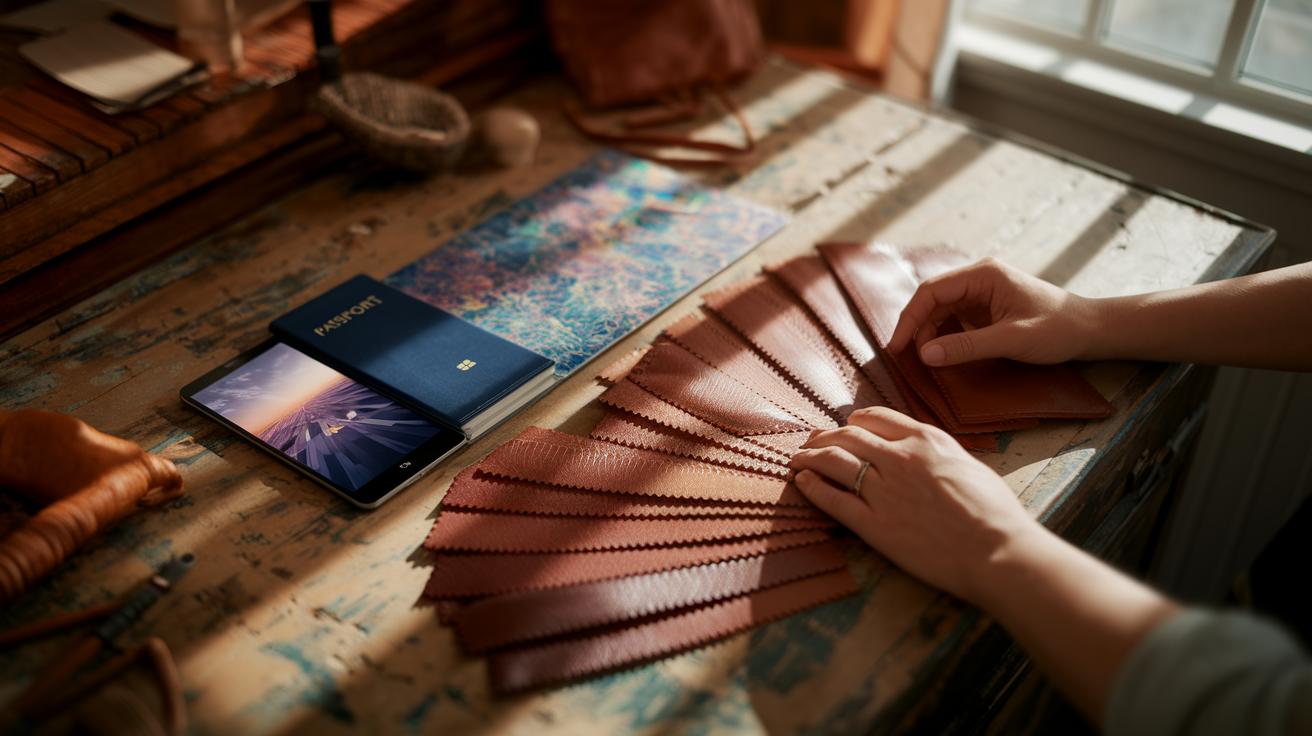
Luxury brands are getting ready for a future where clever tech meets eco-friendly style. They’re using smart tools like AI to predict trends and make better collections, which helps to cut down on waste and lower carbon emissions. Even cool new materials like mushroom leather are stepping in to replace old fabrics, showing real promise for reducing waste. It’s a win-win: fashion that looks amazing and cares for the planet.
Looking forward, brands will use tools like full Digital Product Passports and smart shopping helpers to change how we shop for sustainable luxury. Designers will share a garment’s full story, from creation to recycling, making it easier for everyone to take care of their favorite pieces. With these neat tech advances lighting the way, labels will not only follow trends but also set a new, greener standard for luxury fashion.
Final Words
In the action, we explored how top designer labels are reworking old habits with fresh, eco-friendly methods, from innovative fabrics to digital tools that add traceability. We connected the dots on how circular models and consumer shifts are reshaping the industry.
We wrapped up our chat on sustainable designer labels trends with a clear picture of exciting developments ahead. The future holds bright prospects as the industry leans into smarter, greener practices for luxury fashion.
FAQ
FAQ
Q: What trends do women sustainable designer labels follow?
A: Women sustainable designer labels follow eco-friendly production methods and ethical labor practices, mixing innovative fabrics with chic design to create styles that are both glamorous and consciously produced.
Q: What sustainable fashion trends are predicted for 2025?
A: Sustainable fashion trends 2025 point to a surge in regenerative materials, transparent supply chains, and eco-conscious design, reflecting a shift from wasteful practices to chic ethical innovation.
Q: What do sustainable fashion industry statistics reveal?
A: Sustainable fashion industry statistics reveal growing demand for ethical production, increased use of recycled materials, and a market that’s expanding as brands embrace more responsible practices.
Q: How did sustainable designer labels trends evolve in 2020?
A: Sustainable designer labels trends in 2020 highlighted ethical production and innovative reuse of materials, paving the way for today’s blend of luxury, creativity, and sustainability.
Q: Where can I find a Sustainability in Fashion Industry PDF?
A: A Sustainability in fashion industry PDF offers detailed insights on eco-friendly practices, statistical data, and real-world case studies, serving as a handy resource for understanding ethical fashion practices.
Q: Who are some leading sustainability fashion brands?
A: Sustainability fashion brands focus on recycled and organic fabrics, ethical production, and transparent supply chains, showcasing how luxury can merge responsibly with current eco-conscious trends.
Q: What does the sustainable fashion market size indicate globally?
A: Sustainable fashion market size indicators reveal robust growth globally, driven by increasing consumer demand for ethical products and industry shifts toward greener, more responsible luxury production.