

Have you ever noticed a chic bag and wondered if it's the real deal or just a clever knock-off? With counterfeits on the rise, spotting an authentic designer label can feel like cracking a fun, stylish mystery.
Imagine checking the bag like you’re on a backstage tour at your favorite event. Look closely at the stitching, it should be neat and elegant, like the perfect finish on a celebrity outfit. The fabric should feel sturdy and high-quality, much like the smooth flow of a red carpet gown. And don’t forget the tags; genuine bags come with special numbers that set them apart, kind of like a VIP pass.
In this blog, we’re spilling all the insider secrets on how to spot those tiny details that make the difference. Get ready to feel confident and excited as you learn how to choose the real deal. Enjoy the thrill of discovering quality while keeping it authentic and undeniably you.
How to Spot Counterfeit Designer Labels: Embrace Authenticity
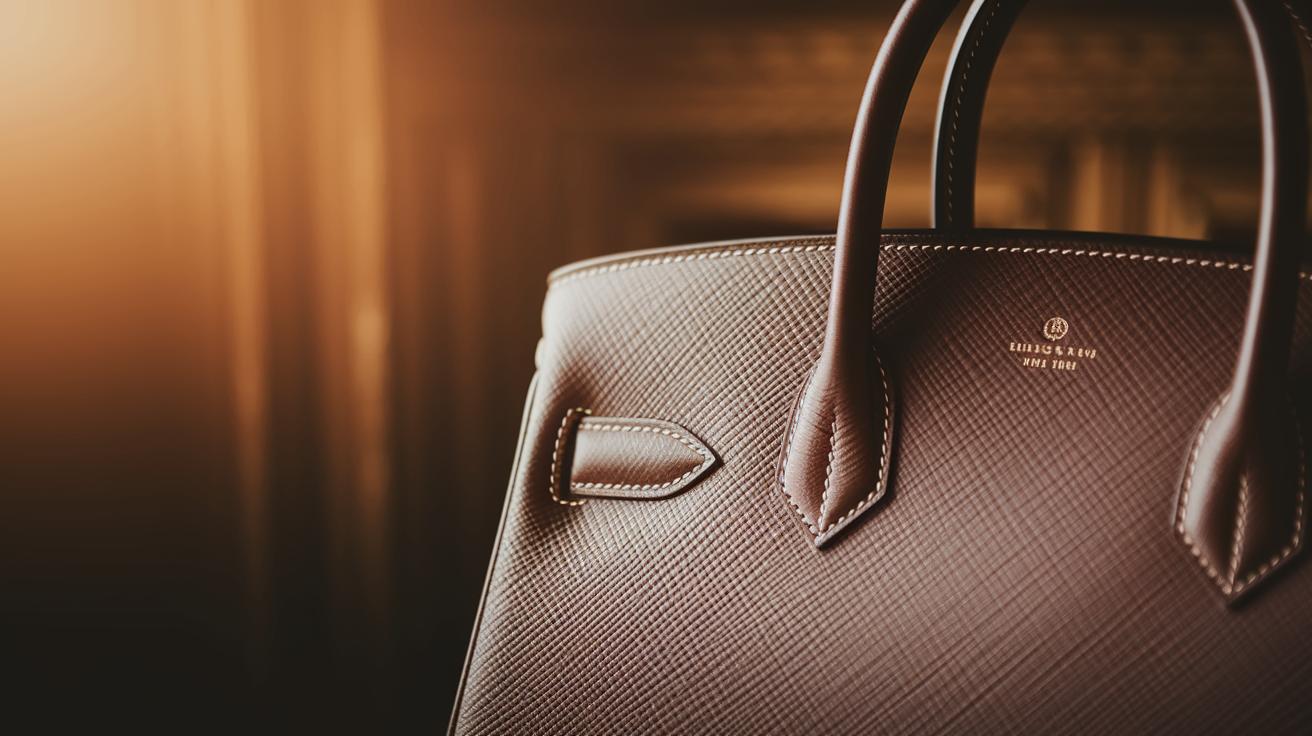
Start by giving the item a close, careful look. Check the stitching, feel the fabric weight, and notice how well it is built. Real designer pieces have even, neat stitches and double-stitched details that show they were made with care. Genuine items use top-notch materials that feel rich and sturdy, while fakes might feel lighter and show rough, uneven seams. Think of a luxury bag with perfect stitching, just like a clear blueprint proving expert craftsmanship.
Next, take a peek at the interior tags for any authenticity markers. Look for unique serial or model numbers that match the brand’s standards. A true designer item often comes with authenticity cards or certificates and even printed care instructions on branded packaging.
Also, pay close attention to signature design features. Famous patterns like the Burberry check or Louis Vuitton monogram are usually printed or embossed with precise detail. Comparing the piece side by side with a known genuine item under bright light can help you spot any blurred edges or misaligned textures, which are big hints that the item might be a fake.
| Step | Description |
|---|---|
| Stitching | Look for even, neat stitches and proper alignment |
| Fabric | Feel for a solid, high-quality texture |
| Interior Tags | Check for unique serial numbers and authenticity cards |
| Logo & Label | Compare details with authentic items under good lighting |
Take the time to inspect every little detail, almost like solving a fascinating mystery. Spotting a fake is all about noticing those tiny clues that distinguish the real deal from a copy. With this simple strategy, you can confidently identify authentic designer labels wherever you go.
Inspecting Label Quality and Logo Precision on Designer Labels
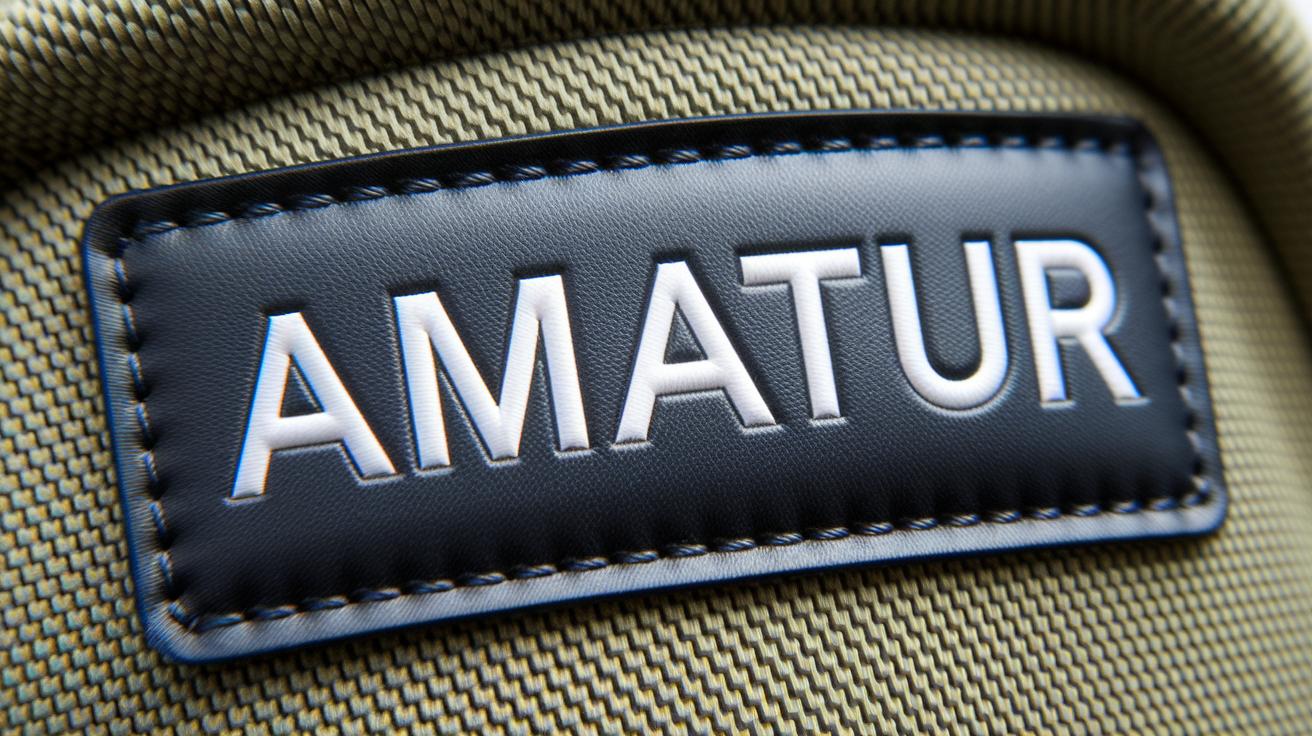
Designer labels bring a touch of sparkle with polished fonts and perfectly spaced letters that shine like stars on the red carpet. The embossing is sharp, making sure every logo sits just right, a clear sign that real skill was behind its creation. Try holding the product up to a bright light, imagine a label where every letter stands flawlessly, a tiny behind-the-scenes secret of true quality.
On the flip side, fake labels often show blurred edges, off fonts, and logos that seem a bit out of sync. They usually have uneven embossing, giving away their rushed production vibe. It’s worth giving the tag a close look, check where the label sits and how neat the edges are. Genuine tags have tidy borders that fit perfectly, while imitations might look hastily done with gaps in spacing.
A close-up look at print quality is a must. Compare the label with ones you know are authentic, and you’ll notice even the smallest differences in design. Every part, from the clear letters to the careful embossing, should scream quality. Trust your eye for detail to spot a tag crafted with care from a fake that barely makes the cut.
Remember, genuine labels carry a sense of luxury in every little detail, inviting you to believe in the item’s true heritage with all your heart.
Evaluating Material Integrity and Stitching on Designer Labels
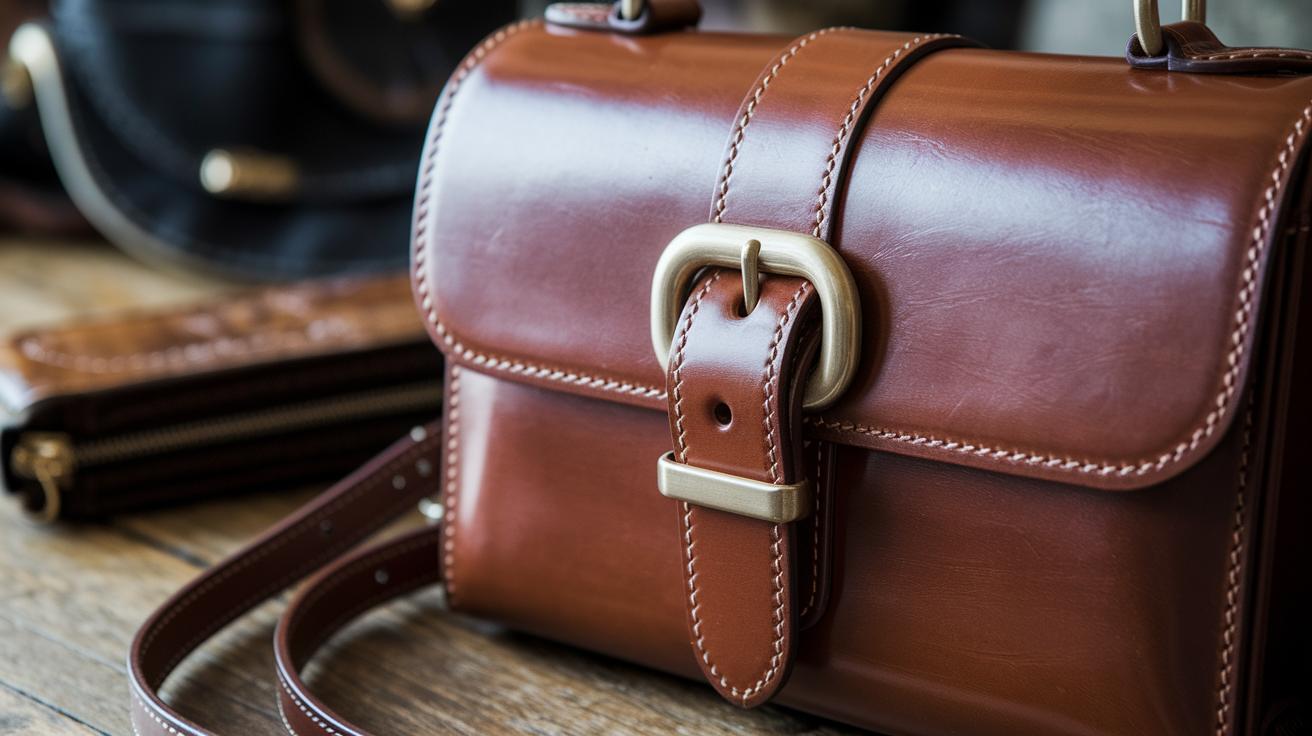
When it comes to designer pieces, top-notch materials and cool hardware make all the difference. Real designer items boast premium leather and tough canvas, and even the metal parts come with an engraved, polished look that feels rock solid. Picture a bag with a gleaming metal buckle and luxuriously rich leather, it's an instant giveaway that you're holding something authentic.
Go a step further than a quick glance. Give the fabric a gentle tug or fold it slightly to check if it bounces back. True, high-quality materials are a bit heavier and hold up well under light stress, unlike those that feel light and cheap. Running your fingers over a leather panel should reveal a smooth, firm surface without any wobbly texture.
Don't forget to check the stitching along with the metal details. Authentic items show off neat, even stitches that match perfectly in color, covering everything from pocket seams to where the hardware connects. Plus, zippers and buckles are polished and engraved, so they won't easily chip. A little insider tip: take a close look at every metal piece. If it feels secure and well-finished, you're likely looking at the real deal.
| Feature | Genuine | Counterfeit |
|---|---|---|
| Material Weight | Hefty and substantial | Light and plasticky |
| Stitching | Uniform, neat, and consistent | Irregular and loose |
| Hardware | Robust metal with engraved finish | Flimsy and poorly finished |
Verifying Serial Codes, Holograms, and Hidden Authenticity Markers
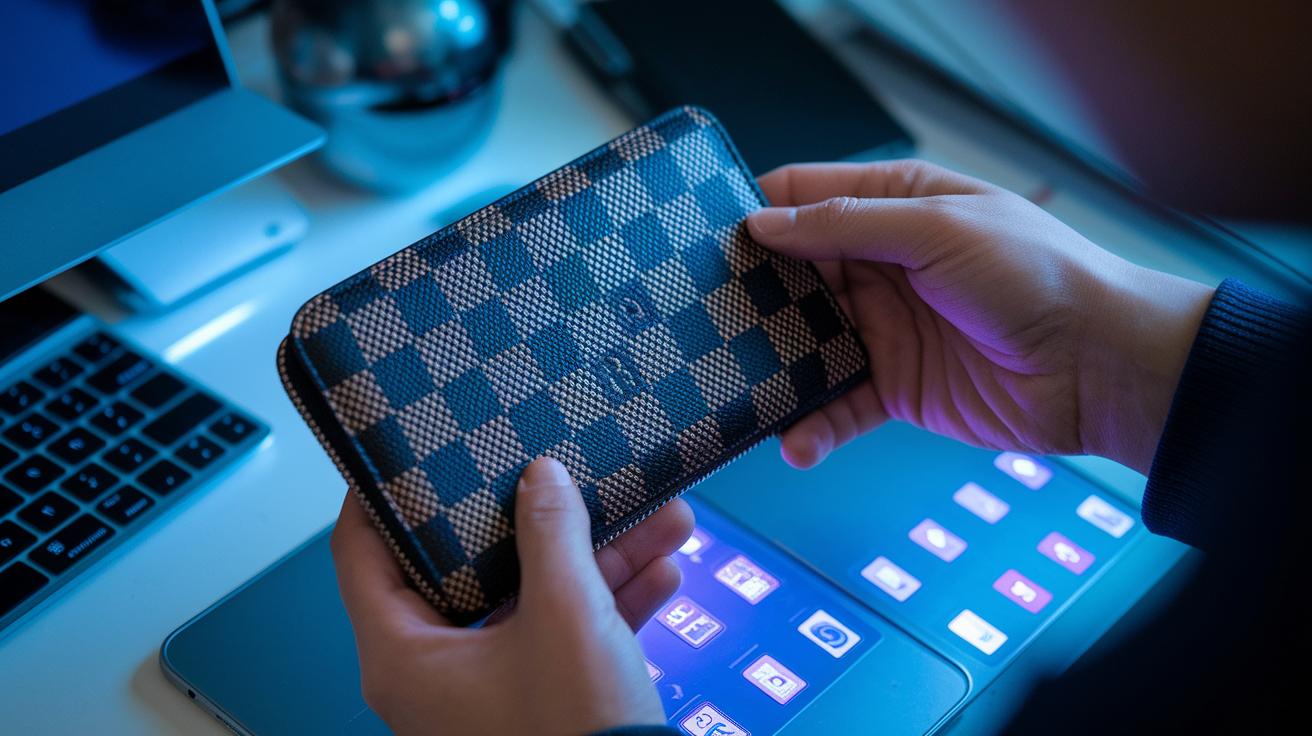
First off, check the inner tags and authenticity cards for unique serial or model numbers. Real luxury items come with special codes that match the brand’s usual style. For instance, when you look at a designer wallet, you might find a printed serial number that’s one-of-a-kind, an obvious mark of true craftsmanship.
Then, take a close look at any holograms or UV-reactive symbols. Many high-end brands add these flashy details to their packaging or tags. Grab a UV light and shine it on the label; if you see hidden marks glow with a unique shine, you’re on the right track. Genuine holograms reveal sharp, layered details, while fakes usually come off as dull or generic.
Finally, compare the overall code style and layout with what you know about authentic pieces. Do a little detective work by checking if these codes line up with the brand’s official records. This side-by-side check often uncovers any inconsistencies that might signal a counterfeit.
Using these steps, validating serial codes, inspecting holograms, and analyzing hidden markers, gives you a rock-solid way to prove an item’s authenticity.
Assessing Packaging, Tags, and Documentation for Authentic Designer Labels
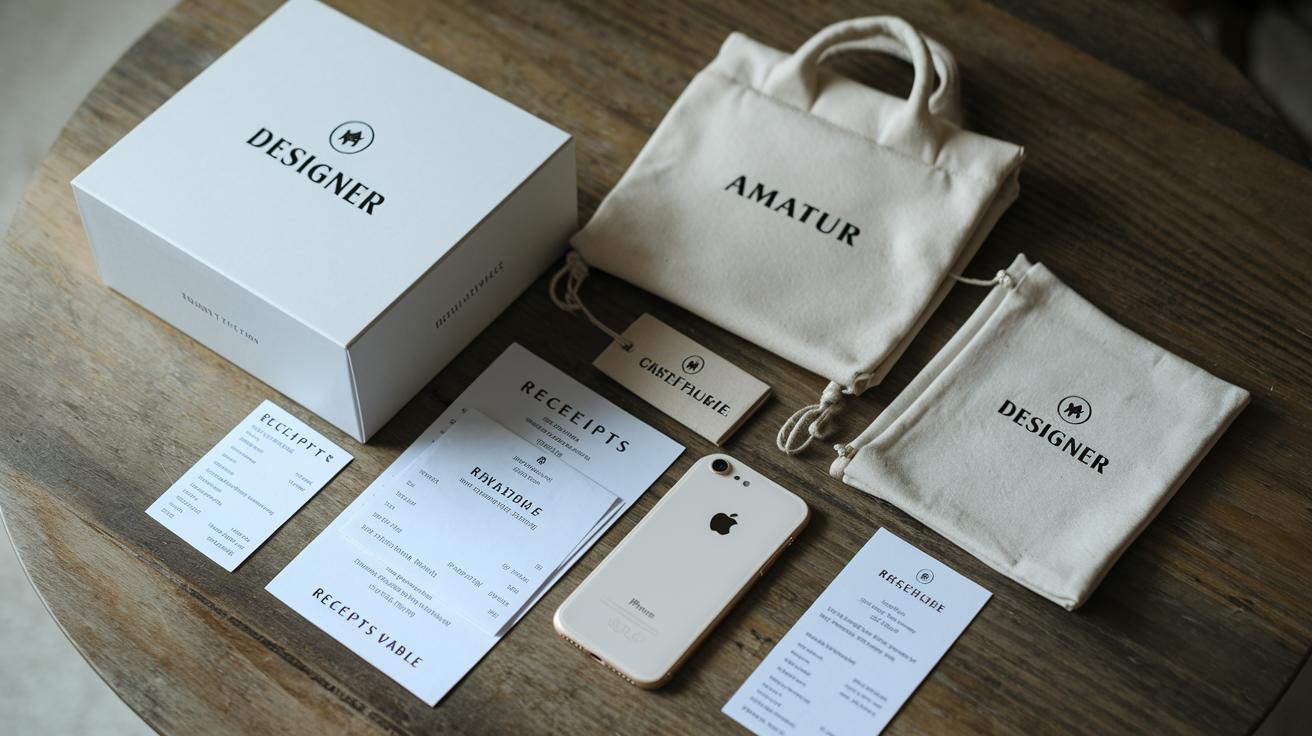
When you get a designer item, don’t just admire the label, peek at the packaging and all its extras too. Real pieces show up in sturdy, high-quality boxes or trusty dust bags, paired with care booklets and branded tags that spill the beans about where it’s from, season codes, and collection names. Sometimes, you even find a little note, like “This piece is crafted with care and comes with full certification,” telling you right away that it’s the real deal.
Next, take a moment to check out your receipts and any certificates that come with the item. Look up the seller, too. Missing season codes or sloppy packaging are like flashing neon signs that something’s off. Counterfeit items usually skip these details.
Double-checking your purchase records and confirming the retail source is just as important as enjoying the item’s design. This extra step not only gives you that backstage pass confidence but also proves you’re owning a truly remarkable piece of designer craftsmanship.
Using Online Tools and Expert Resources to Authenticate Designer Labels
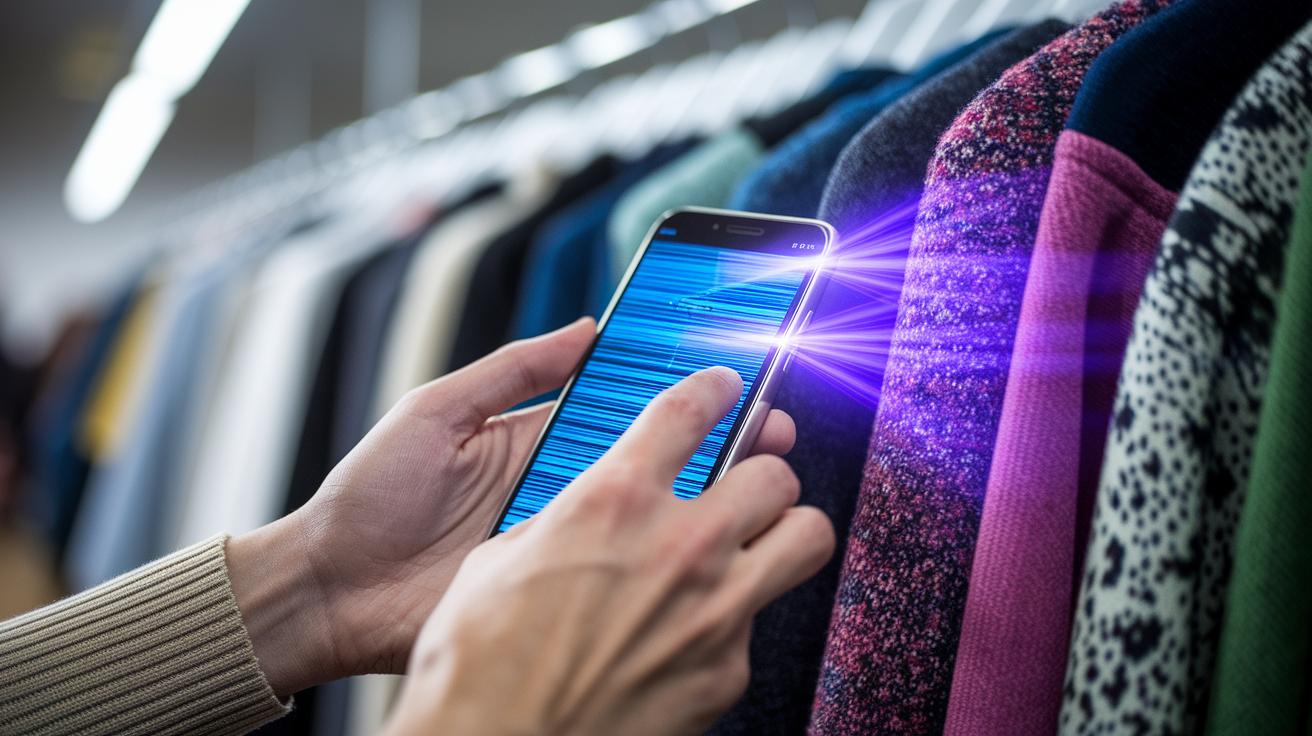
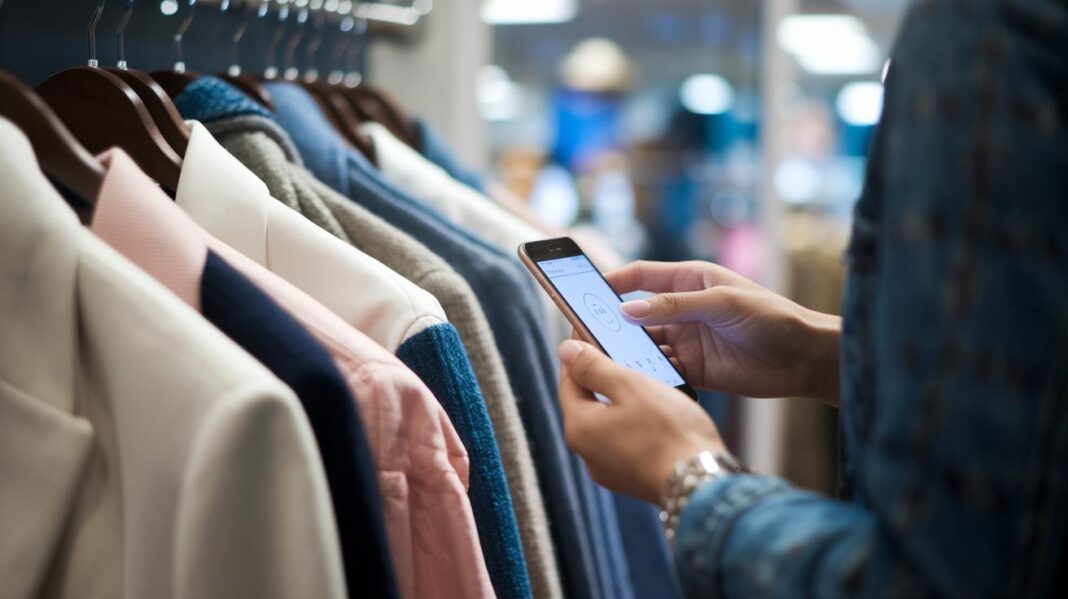
Your smartphone is now like your own personal detective when it comes to spotting genuine designer labels. With clever apps like Entrupy, you can snap a quick scan of fabrics and prints, and they check against trusted records to see if your item is the real deal. And hey, if you have a handheld UV lamp at home, give it a try, those hidden, reactive threads can be a fun little giveaway that you’ve got something authentic.
Many brand websites let you dig a bit deeper by checking serial numbers online. Just punch in the code and see if it matches the official records. Plus, there are awesome image-comparison sites and forums where fellow enthusiasts share side-by-side pictures of authentic pieces versus counterfeits. This kind of insider help can reveal even the tiniest details that set real luxury apart from fake imitations.
Some top designer labels have even added RFID chips hidden in their fabrics. If you’ve got an RFID reader handy, it can pick up these secret markers, adding an extra boost to your verification process. Here’s a quick checklist to keep in mind:
- Use app-based tools to scan materials and prints.
- Shine a UV lamp to spot hidden reactive threads.
- Check serial numbers and compare images online via trusted forums.
- Use an RFID reader to locate any embedded chips.
Using these digital tricks gives you a smart, tech-forward way to
Insider Expert Recommendations to Avoid Counterfeit Designer Labels
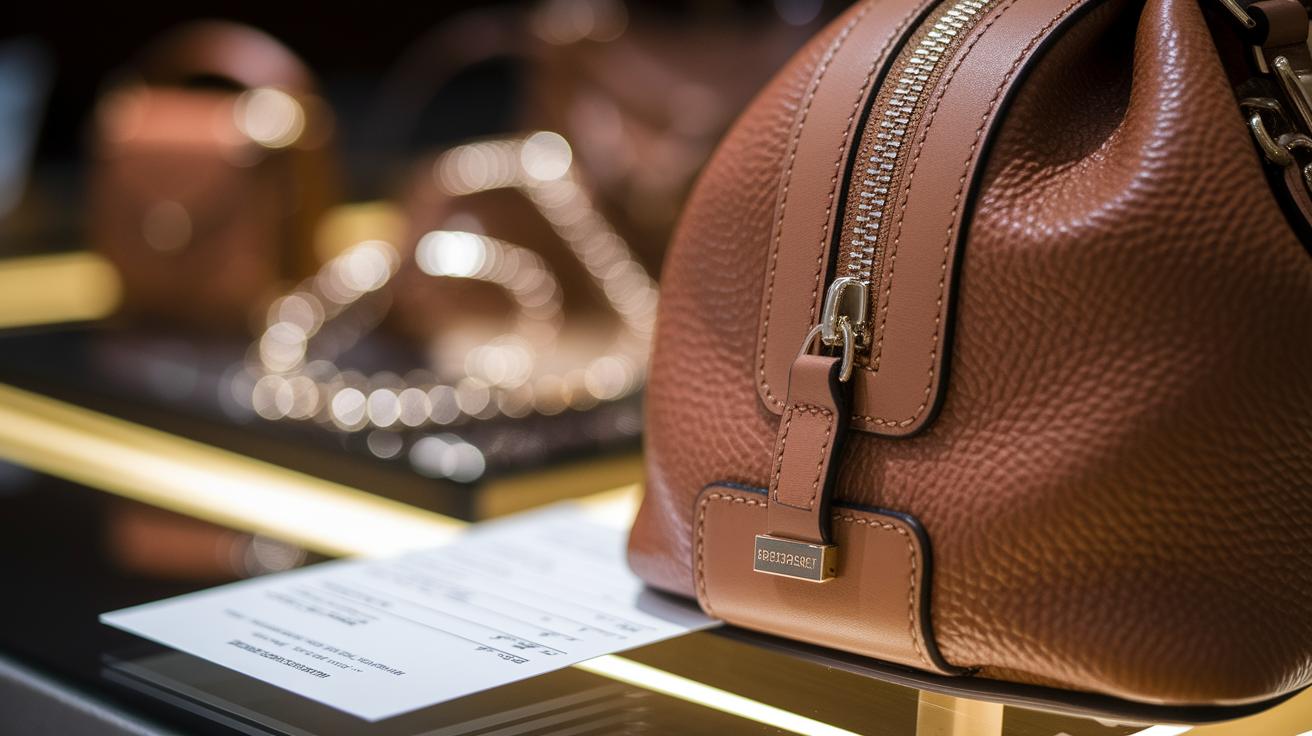
When it comes to spotting the real deal in designer labels, experts say your best bet is to shop at authorized boutiques or trusted resale platforms. They openly share that knowing each brand’s little signature details, like the texture of zipper pulls, the specific way rivets are engraved, or unique lining patterns, can feel just as exciting as discovering a backstage secret at a red carpet event.
Make sure you hang on to your receipts and, whenever possible, ask for authenticity certificates. Here are a few insider tips:
- Check every detail, such as the precise hardware design and the finishing touches.
- Compare your find with trusted past purchases to see if it matches up.
- If anything seems off, don’t hesitate to consult a certified authenticator, they’re like your personal fashion detectives.
Following these easy steps boosts your confidence in picking out true designer pieces. With a keen eye and smart advice, you can easily go from a casual shopper to a true connoisseur of genuine labels.
Final Words
In the action, this post took you through inspecting stitching, logo details, packaging, and even tech tools for a thorough check on authenticity. We explored quality cues and expert recommendations that help you confidently separate genuine pieces from fake ones.
Now you have clear steps on how to spot counterfeit designer labels, ensuring every purchase feels like a backstage pass to peace of mind. Stay savvy and enjoy the thrill of securing true pieces with ease.
FAQ
How do you spot counterfeit designer labels online or on Reddit?
Spotting counterfeit designer labels online or on Reddit involves examining stitching quality, logo precision, and material details. Side-by-side comparisons with genuine pieces and expert forum tips can help you verify authenticity.
How do you check original brand clothes with a barcode?
Checking original brand clothes with a barcode means scanning the barcode with a trusted app or using store databases. This method confirms manufacturer data and helps verify that the item meets authentic standards.
How can you tell if a scanner or app is genuine versus fake?
Telling genuine scanner apps from fakes requires comparing reviews, features, and reliability. Trusted apps offer detailed comparisons and code verifications that match official databases, helping ensure accurate authenticity checks.
What is the most faked luxury brand?
The most faked luxury brand is frequently targeted by counterfeiters because its designs are highly recognizable. Inconsistencies in quality and design details often signal the difference between imitations and genuine items.
How do you spot a fake label or recognize a counterfeit brand?
Spotting a fake label or identifying a counterfeit brand involves checking for uneven fonts, blurred logos, and poor stitching. Genuine labels feature consistent print quality, precise positioning, and sleek, refined details that counterfeits lack.
What clues indicate that an item may be counterfeit?
Clues that an item may be counterfeit include loose stitching, inconsistent materials, and misaligned or blurry logos. Authentic designer pieces offer uniform craftsmanship, reliable authenticity codes, and high-quality construction.