


Ever wonder if that juicy celebrity gossip is true or just a bit of extra sparkle? Sometimes, reading celeb news feels like getting an exclusive backstage pass, but other times the stories are more like wild rumors with a little too much flair.
In this chat, we're breaking it down, comparing solid facts with stories that might just be all buzz. By checking out clear, reliable clues versus the unverified chatter, you'll quickly get a feel for what to trust in the dazzling and sometimes unpredictable world of celebrity news.
Differentiating Truth vs Exaggeration in Celebrity Gossip
When it comes to celebrity news, truth means getting the real scoop from trusted sources, confirmed statements, and consistent reports. It’s like having backstage access where every detail is verified. On the other hand, exaggeration is when details are stretched way beyond what really happened, turning small incidents into huge, flashy revelations without a solid backup.
In celebrity credibility analysis, the whole deal often boils down to how good the evidence is. True details come with documented proof, think of a star’s verified health update from official promo materials, while exaggeration often starts with unverified chatter that spirals into wild speculation. And honestly, these differences shape how fans and critics see the whole story. Ever wondered how to tell if it’s fact or just a rumor? It all comes down to the evidence.
Key differences include:
- Verified evidence: Confirmed details vs. just speculative hints.
- Trusted sources: Information from insiders you can count on versus anonymous reports.
- Official confirmation: Clear, backed-up statements versus ongoing, unsubstantiated rumors.
- Detailed context: A full picture with timelines versus bits and pieces that don’t add up.
These distinctions really hit home when it comes to trust. When you know the facts are clear and checked, you feel confident about your celeb news. But when claims are blown out of proportion, it only leaves people confused and unsure about where to place their trust.
Digital Fact-Checking & Verification Techniques

Digital verification is like having your very own backstage pass in the fast-paced world of entertainment news. With gossip and news spreading quicker than hot paparazzi snaps, using digital tools helps you sort real facts from mere hype. It’s all about ensuring every rumor gets the red carpet treatment of fact-checking before it makes the rounds.
Authenticity: Uncovering the Real Story
Ever wonder if a celeb’s snapshot is as fresh as it looks? Tools like reverse image search let you see if a photo is really from the event it claims to showcase. By checking where images come from and comparing them to other similar shots, you can tell if that trendy screenshot is a genuine moment or just recycled old news.
Authority: Trusting the Right Voices
Next, it’s crucial to know who’s behind the scoop. Diving into the reputation of a news outlet and the credentials of its reporters builds a bridge of trust. When you see a platform with a solid track record in entertainment, you know you’re getting the real deal, not just flashy headlines.
Evidence: Gathering Solid Proof
Solid evidence is the secret to cutting through the noise. Cross-checking multiple reports and looking at documented proof lays a strong foundation for any story. It’s like comparing notes from different insiders, when everything lines up, you know the buzz is backed by real facts.
Neutrality: Keeping It Balanced
Sometimes a report might sound a bit too dramatic, which can be a red flag. When writers stick to neutral, straightforward language, it usually means the facts are front and center. A clear, calm tone helps you separate genuine updates from exaggerated tales meant to grab your attention.
Currency: Timeliness is Key
In our digital age, timing is everything. Using tools that verify timestamps and event details makes sure that the news you’re reading isn’t outdated. Keeping an eye on when events happened ensures that you’re staying current and informed with up-to-the-minute accuracy.
By weaving these techniques into your daily news routine, you can confidently sift through the glitz and glitter to get the true story behind the headlines.
Media Bias Detection Techniques in Gossip Reporting
Ever notice how a headline can sometimes feel way too dramatic? It’s like the headline is shouting "LOOK AT ME!" when something's not quite balanced. You know that feeling when the language used in a celebrity story makes everything seem more scandalous than it really is? Those are your first clues that bias might be at play.
When you dig deeper into a report, start with the headline. Listen for any over-the-top words that might be stretching the truth just to grab your attention. Next, check if the article gives you clear clues about where the info is coming from. If a famous insider is named, you’re in a good spot; but if everything's coming from vague, shadowy sources, that’s a red flag. And then, think about how the story is pieced together. Is it showcasing only one perspective or leaning heavily on overly passionate language rather than solid, balanced facts? These little observations can help you spot if the news is being nudged away from just the plain facts.
| Bias Type | Description | Impact |
|---|---|---|
| Sensational headlines | Exaggerated titles designed to grab attention | Distorts the true nature of the story |
| Selective reporting | Emphasizing only certain facts | Leads to a skewed perception |
| Misuse of anonymous sources | Relying on unnamed and unverifiable comments | Reduces the credibility of the report |
| Emotive language | Using charged words to provoke a reaction | Influences opinions with less objective facts |
Staying sharp and not taking things at face value is key. Keep your eyes peeled for these hints, and you’ll be well on your way to enjoying celeb gossip that stays true to the real scoop.
Tracing Rumor Origins: Assessing Fame Narratives and Scandal Claims
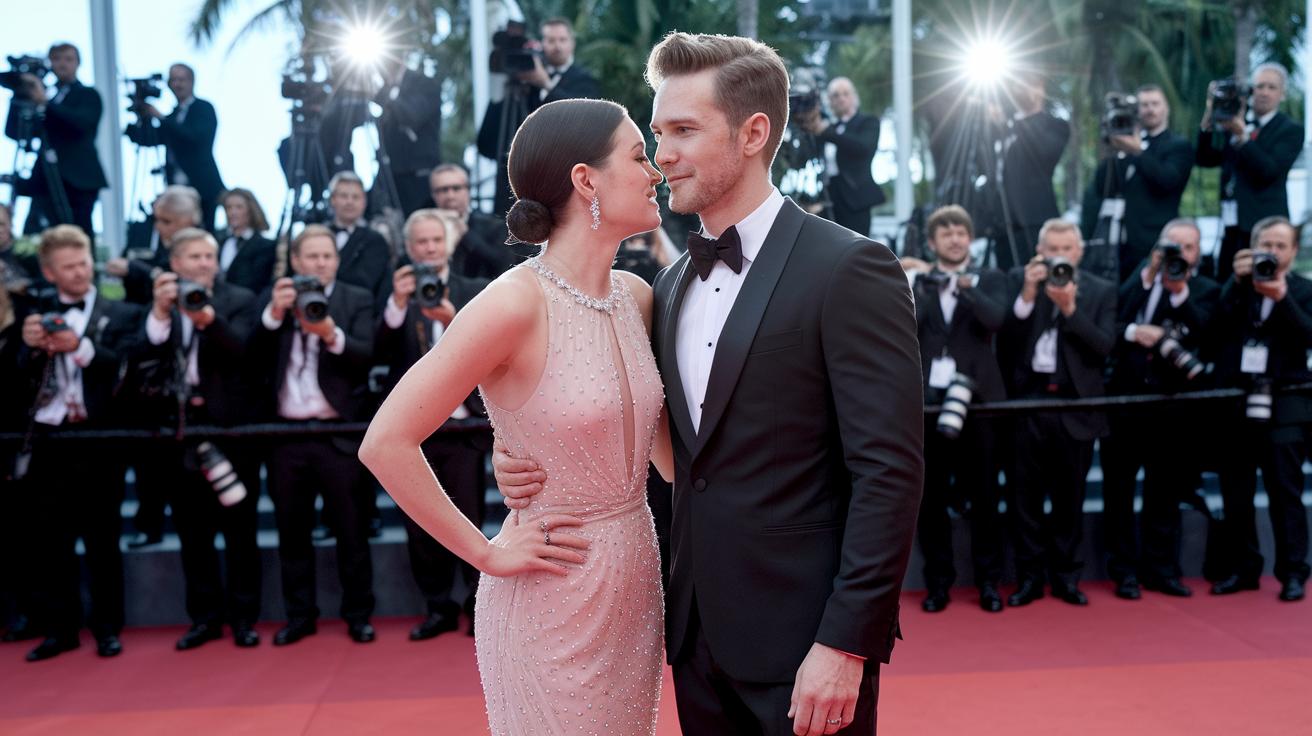
At glamorous events like award shows and red carpet appearances, even the tiniest sideways glance or unexpected remark can spark a new rumor. Celebrities’ subtle exchanges, or even a small wardrobe misstep, can quickly become the talk of the town as fans and media piece together every detail. If you’re curious about how these whispers turn into full-blown gossip, take a peek at "understanding celebrity rumor mills: how gossip spreads" (https://imjustdandy.com?p=224).
Social platforms and paparazzi work like amplifiers for these sparks. One casual social media post or a candid paparazzi shot can transform an idle whisper into the next trending topic in just minutes, turning private moments into public conversation.
Legal rules and privacy issues often keep some of these claims in a gray area. Even when a rumor sounds believable, strict non-disclosure agreements and defamation concerns make media outlets tread carefully. They also want to respect that celebrity privacy, which means many stories remain as intriguing rumors rather than confirmed facts.
Audience Strategies for Discerning Misleading Celebrity Reports
Whenever you catch a whiff of celebrity gossip, keep that curious mind active. Ask yourself if the scoop is built on solid facts or just amplified online chatter. Think about a surprise celebrity appearance, were the photos genuine, or did someone tweak them behind the scenes? For instance, when a star’s social post set off wild rumors, savvy digital tools later revealed edits that completely changed the story.
A touch of healthy skepticism can really help cut through all the glitz. Remember that scandal that quickly spread online? Rather than accepting every flashy detail, take a moment and check if trusted sources or smart digital tools back it up.
A great trick is to lean on digital verification methods like reverse image searches and metadata analysis apps. When a rumor starts to spread, go back to the original posts, compare the timelines, and see if reliable news outlets confirm the facts. This mix of clear reasoning and handy tools can expose exaggerations and digital fabrications.
At the end of the day, you play a key role in separating truth from hype. Trust in your instincts, use digital verification, and don't be afraid to ask the right questions to uncover the authentic story.
Evaluative Criteria & Legal/Ethical Guidelines for Validating Celebrity Rumors

When you hear a celebrity rumor, the first step is to check with an official spokesperson. Start by making sure the claim comes from a trustworthy source with solid evidence. You can even use digital tools like metadata checks and reverse image searches to see if the images are genuine. And if several reports agree, it’s a good sign that the news might be real instead of just wild chatter.
Sticking to best practices means keeping your tone balanced without resorting to flashy headlines. Journalists always stress the need to double-check details and get official statements to back up the story. Being clear about where your information comes from builds a bridge of trust with your readers. When you rely on solid sources and consistent facts, you’re more likely to separate true stories from mere whispers.
Next, it’s important to keep the legal side in mind. If details aren’t nailed down properly, a mistake could turn into a defamation claim. That’s why every claim should be supported by multiple confirmations and verified quotes. Smart reporters use digital verification tools to dodge legal troubles and avoid any hint of bias. By carefully documenting your checks, you not only protect yourself but also make your report more credible.
Finally, accountability and compliance are a must in entertainment journalism. Following these standards ensures that your reporting stays on the right side of the law while gaining the trust of an ever-critical audience.
Final Words
In the action, this article took us behind the scenes to explore the thin line between reality and embellishment in celebrity news. We examined digital checks, bias detection, and rumour origins, all essential for accurately reading between the lines.
Truth vs exaggeration: assessing celebrity gossip credibility calls for smart, hands-on verification of facts. With a keen eye and a clear method, you’re set to enjoy celebrity news while staying sharp and confident.
FAQ
What is the evolution of gossip?
The evolution of gossip shows how celebrity stories start as tiny sparks and grow into massive public chatter, morphing through informal talk and media buzz that keeps everyone talking.
What is the psychology of gossip?
The psychology of gossip explains how our minds crave exciting stories that connect us, making celebrity secrets feel irresistibly engaging and a favorite topic of everyday conversation.
How is gossip defined?
Gossip is defined as informal talk about the personal lives of others, often shared without solid proof, which helps fuel a sense of community and the thrill of insider details.
What does the science of gossip reveal?
The science of gossip reveals how our brains respond to captivating tidbits by sparking feel-good reactions, driving our endless fascination with celebrity news and engaging social dialogue.
Can you handle my truth authenticity and the celebrity star image?
The phrase challenges us to weigh bold, transparent celebrity narratives against polished images, reminding us to compare what we see with the genuine character behind the glitz.
What forms of inequality are revealed in celebrity gossip?
Celebrity gossip often exposes social biases by highlighting disparities related to class, race, or gender, revealing how sensational stories sometimes mirror deeper societal imbalances.
Is gossip true or false?
Gossip can be a mix, where a kernel of truth meets layers of exaggeration; while some details are accurate, others might be amplified or entirely made up.
Is celebrity gossip a guilty pleasure?
Celebrity gossip is viewed as a guilty pleasure by many because it serves up fun, escapist chatter, even though audiences know full accuracy isn’t always the main aim of these tidbits.
Do celebrities actually use the products they endorse?
The claim about celebrities using endorsed products is a blend, as some are genuine users while others simply boost their image through carefully crafted endorsements.